
The Himalayan monal, a colourful pheasant known for its iridescent plumage, has become a living indicator of the health of the north‑western Himalayas.
A five‑year study by researchers from Uttarakhand recorded two striking responses to the rapidly changing environment: the birds are climbing higher into the alpine meadows, and they are altering the sound of their calls.
As roads widen, villages expand and tourists flood valleys such as Chopta, the dense vegetation that once provided open space is shrinking. In addition, the relentless hum of traffic and chatter of visitors raises background noise, forcing the monal to raise its pitch and shorten its call so it can be heard over traffic.
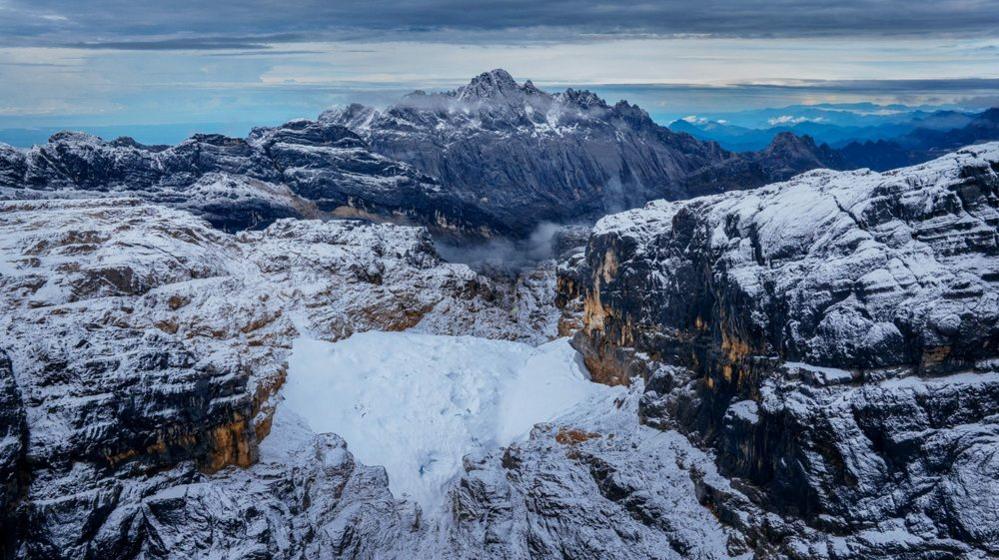
Climate models suggest that suitable alpine habitat will continue to recede to higher elevations, creating isolated pockets that are difficult for the birds to cross. The resulting fragmentation could threaten breeding success and long‑term survival.
The acoustic changes observed are not signs of evolutionary adaptation but rather behavioural flexibility. Yet they signal that even a species with a broad range of natural habitats is being squeezed by human pressures.
- Higher altitude shifts, and
- Raised call frequency and shorter duration.
“We are hearing the Himalayas call for space, silence and care,” says Anjal Prakash, who notes that similar symptoms may appear in more sensitive species that have less room to alter behavior.
The study urges that tourism development and noise mitigation strategies be integrated into conservation planning, otherwise the majestic beauty of the Himalayan mountains may give way to an unseen chorus of stressed wildlife.