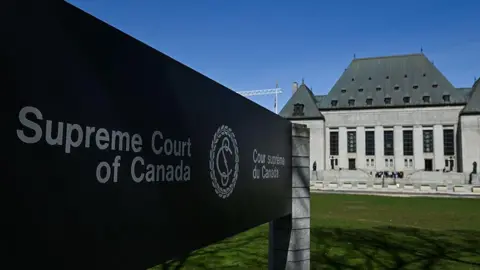
A controversial secularism law in Quebec is heading to Canada's Supreme Court - but the outcome will impact much more than religious expression in Canada, legal experts say.
The case has the potential to test national unity and the balance between courts and elected officials.
This case is probably going to be the most important constitutional case in a generation, said Christine Van Geyn, executive director at the Canadian Constitution Foundation.
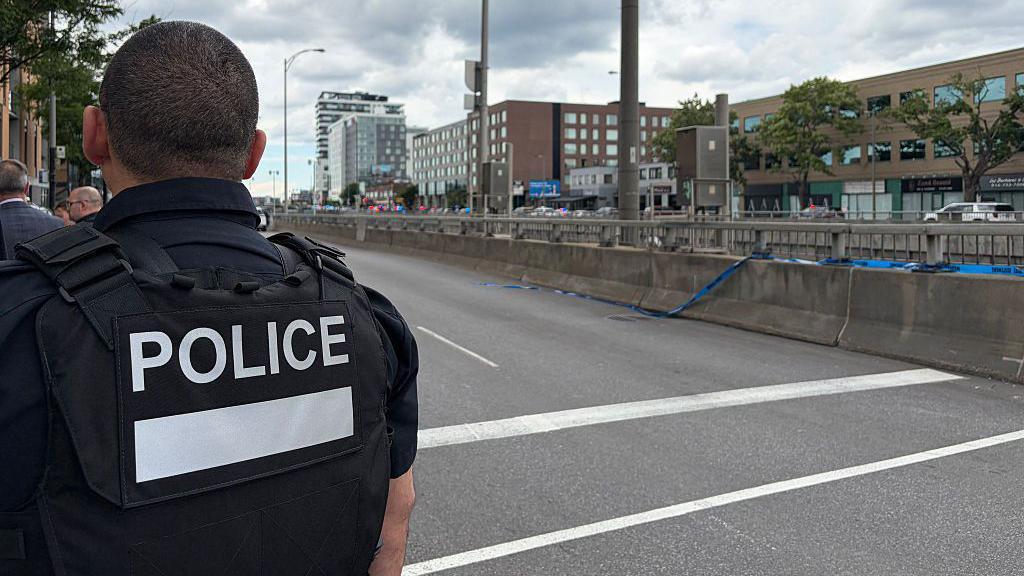
At the heart of the case is Bill 21, which bars civil servants like judges, police officers, and teachers from wearing religious symbols at work. It was passed in 2019, by the governing Coalition Avenir Quebec (CAQ).
To withstand legal challenges, legislators employed the controversial notwithstanding clause, allowing governments to override certain constitutional rights, including freedom of religion and equality rights.
The Canadian Civil Liberties Association (CCLA) called Quebec's arguments in court spine-chilling and expressed concerns about potential further restrictions on rights.
On Monday, hearings begin on a constitutional challenge to Bill 21, with more than 50 interveners including the federal government.
What is Bill 21?
Quebec's state secularism - or laïcité - is central to its identity. Proponents argue that state institutions should be religiously neutral, while critics say it discriminates against religious minorities.
In an attempt to insulate the legislation from legal battles, the CAQ included the notwithstanding clause in the bill, allowing the province to shield the law from constitutional challenges for a five-year span.
Why does Canada have a notwithstanding clause?
The clause is part of the Canadian constitution and was created as a compromise to repatriate the constitution and implement a rights charter without overemphasizing judicial power.
While it has been used occasionally, its application has come under scrutiny as more provinces increasingly invoke it for controversial laws.
What do the opposing sides say?
The CCLA and specific individuals like Muslim teacher Ichrak Nourel Hak argue that Bill 21 infringes on the rights and dignity of individuals within the public sector.
Conversely, Quebec maintains that the bill aims to protect the religious neutrality of the state.
Implications for National Unity
The case also tests the unity of Canada, as federal pushback against the bill from the government seeks limits on the use of the notwithstanding clause. In court documents, Ottawa contends it should not serve as a blank cheque to override constitutional rights.
As different provinces rally around their stances, the tension between provincial and federal authority highlights potential challenges to national unity.