The sudden death of an influential leader has left a political vacuum in India's richest state.
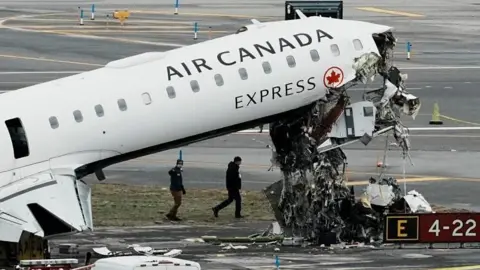
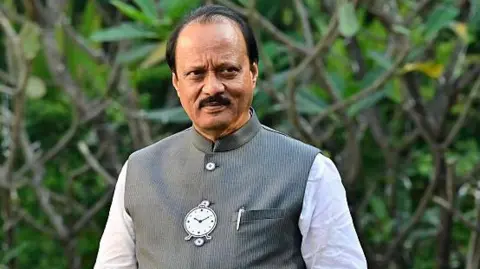
Ajit Pawar, the deputy chief minister of Maharashtra, died in a plane crash along with four others on Wednesday.
Maharashtra's political landscape is notoriously complex - a web of shifting alliances, regional loyalties and rivalries. For decades, Ajit Pawar navigated it with a mixture of pragmatism and shrewdness, swiftly rising through the ranks.
Yet, beneath the public triumphs, his journey was also deeply personal: a struggle to emerge out of the formidable shadow of his uncle Sharad Pawar - the founder of the Nationalist Congress Party (NCP) and a dominant figure in Indian politics.
Born in 1959, Ajit Pawar entered politics in the 1980s under his uncle's mentorship, particularly focusing on the Pawar family stronghold of Baramati, a rural area in western Maharashtra where sugar cooperatives, banks and local institutions helped secure both economic influence and political loyalty.
From an early age, Ajit Pawar was seen as the uncle's visible heir. But he was determined to forge his own path. To many, Sharad Pawar represented old-school authority: patient and strategic, known for coalition-building skills. Ajit Pawar, on the other hand, focused on regional power, governance and control over local political networks.
As Ajit's authority grew, so did his frustration; decisions were still made by the elder Pawar. In 2019, he shocked Maharashtra by aligning with the rival Bharatiya Janata Party (BJP) to form a government, claiming the deputy chief minister's post. However, this effort collapsed, leading to the emergence of a very public rift within the Pawar family.
This rift culminated in 2023, when Ajit Pawar broke away from Sharad Pawar's NCP, took control of the party's name and symbol, and secured the deputy chief minister position once again. Though many saw this as a courageous move, critics labeled it opportunistic.
Ajit's recent death halts talks of potential reconciliation between the two factions of the NCP, leaving uncertainties about who will lead the party moving forward and whether the alliances he built can withstand his absence. Ajit Pawar leaves behind a divided political legacy, reminding us of how intertwined personal ambitions and family ties can be in shaping political narratives.
Additional reporting by Nilesh Dhotre from BBC Marathi