In brief
On January 29, 2025, a midair collision between an American Airlines jet and an Army Black Hawk helicopter near Washington D.C. resulted in 67 fatalities, marking the deadliest plane crash on U.S. soil since 2001. As a crucial hearing unfolds, the NTSB is set to present recommendations aimed at preventing such tragedies and ensuring air safety, following initial FAA changes to airspace regulations. Victims' families urge Congress and military officials to act swiftly on these recommendations to honor their loved ones.
In the aftermath of a catastrophic midair collision that resulted in the deaths of 67 individuals, including young children from the figure skating community, a day-long hearing in Washington D.C. aims to clarify the factors that led to this tragedy. The National Transportation Safety Board (NTSB) is poised to recommend measures to prevent such incidents in the future.
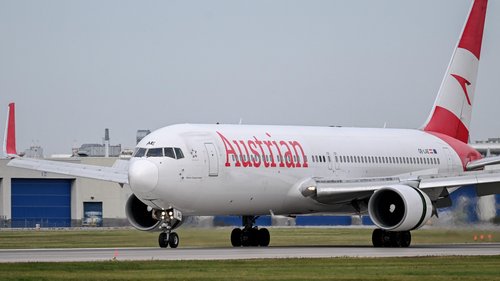
The January 29, 2025, incident involved an American Airlines flight coming from Wichita, Kansas, and an Army Black Hawk helicopter, both of which fell into the icy Potomac River, marking it as one of the deadliest plane crashes in the United States since 2001.
In the aftermath of the crash, the Federal Aviation Administration (FAA) implemented immediate changes to prevent helicopters and airplanes from operating in the same congested airspace near the nation’s capital. Recently, these changes have been made permanent. However, during this hearing, the NTSB is expected to unveil additional recommendations that are being closely monitored by the grieving families of the victims.
Victims' families stress the importance of decisive action. Rachel Feres, whose family lost four members, expressed her hope that the hearing will clarify necessary steps to ensure that such a devastating event never occurs again.
The NTSB has identified key factors contributing to the collision, including a flawed helicopter route near Reagan Airport and deficiencies in prior safety warnings ignored by the FAA. The importance of full accountability and the essential nature of implementing safety measures for aircraft are emphasized by advocates and families affected by the tragedy.
As the hearing commences, the families remain committed to pressuring Congress and the military to take the necessary actions to honor their lost loved ones and improve air safety standards.