Philippine President Ferdinand Marcos has announced a state of national energy emergency in light of the rising oil prices resulting from the ongoing war in Iran. In a televised address, Marcos informed the public about the measures his government plans to undertake to stabilize the energy supply.
The Philippine government will procure one million barrels of oil to add to its current stock, estimated to last 45 days. Marcos promised that there would be a steady flow of oil and oil-related products, stating, We will have a flow of oil. Not just one delivery, not two deliveries, but a flow of oil-related products.\
The emergency declaration grants the government legal authority to impose measures aimed at ensuring energy stability. Marcos emphasized a comprehensive approach, saying, Nothing is off the table. We are looking at everything we can do, whatever suggestion, whatever idea.\
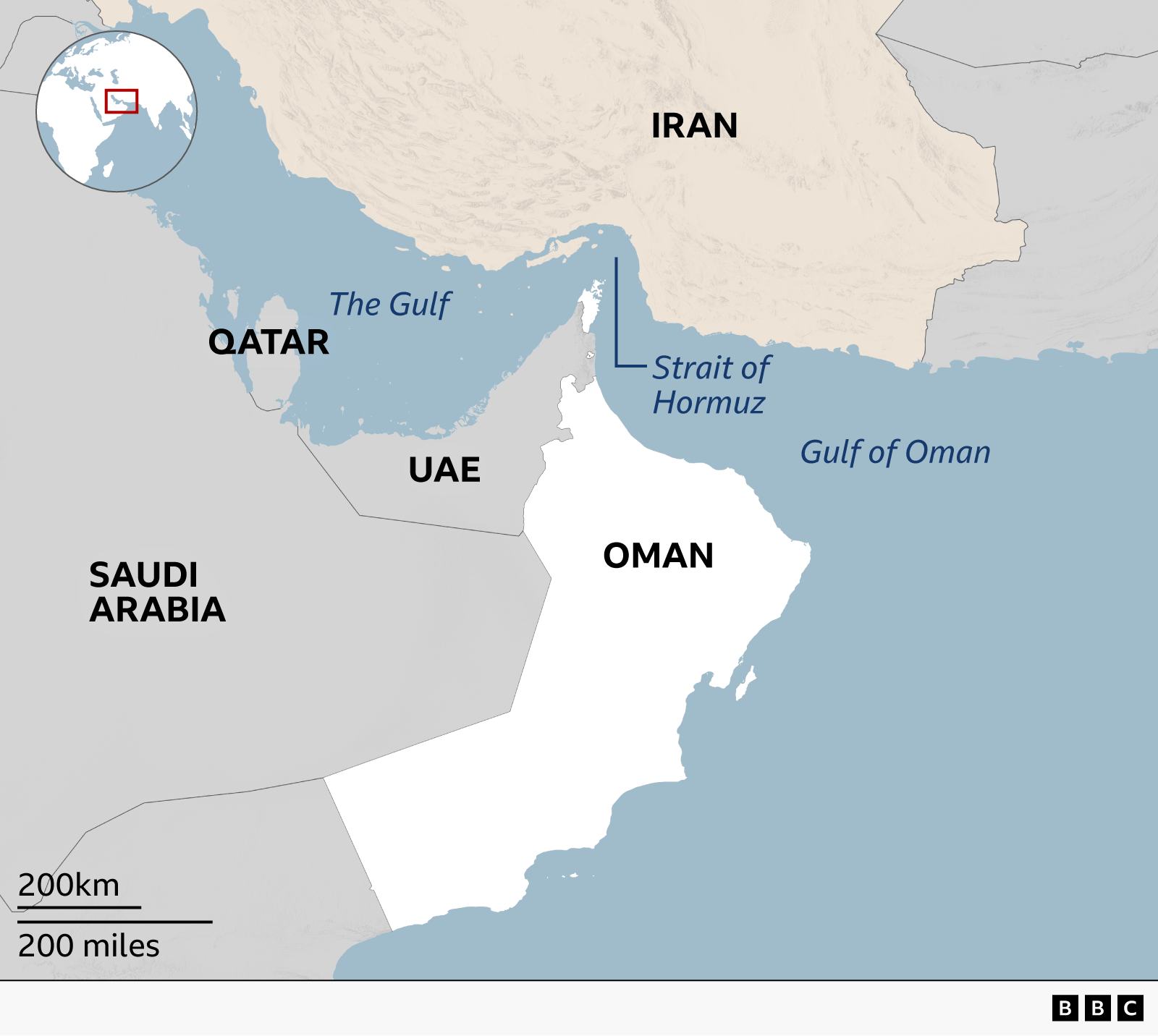
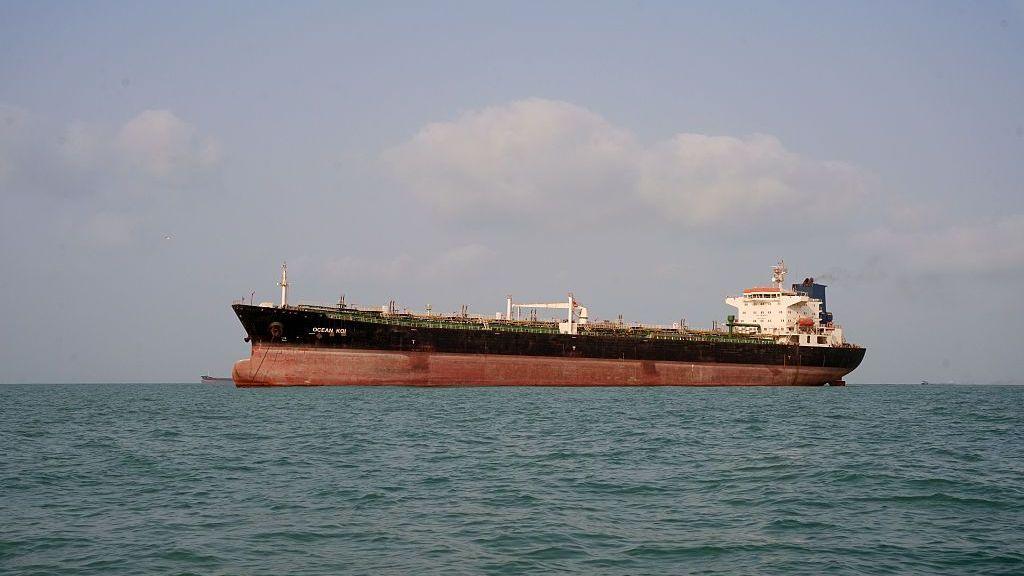
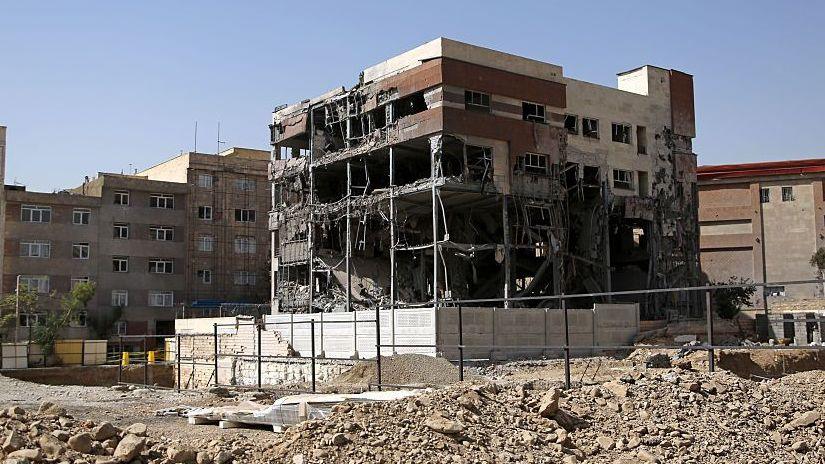
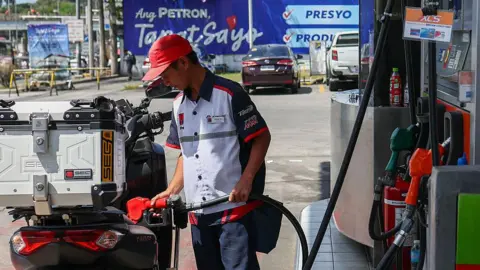
The Philippines, which relies on imports for 98% of its oil, became the first country to declare an energy emergency following drastic increases in local fuel prices, which have surged since the conflict escalated on February 28. The US-Israel war with Iran has not only disrupted local markets but also caused global energy price instability.
Marcos mentioned that the government is working with Washington to seek exemptions that would allow for oil imports from countries under US sanctions. Philippine Ambassador to the US Jose Manuel Romualdez highlighted this collaboration, considering the Philippines to be one of America's closest allies in the Pacific.
A committee has been formed under Marcos' order to oversee the distribution of essential goods, including fuel and medicines. The government has been empowered to directly purchase petroleum products to bolster supplies. This emergency declaration is set to remain in effect for a year, unless extended or lifted by the president.
However, the announcement has drawn criticism from labor coalitions, particularly the Kilusang Mayo Uno (KMU), who regard the declaration as an admission of the government's failure to address the oil crisis. They argue the administration had downplayed the situation previously, calling today's measures insufficient. The KMU also has concerns about 'anti-worker provisions' included in the declaration.
In response to the ongoing crisis, transport workers and other groups, including ride-hailing services, are planning a strike to voice their opposition to the substantial fuel cost increases. Their demands include scrapping fuel taxes and rolling back prices, in addition to increasing fares and wages to cope with the rising living costs.
As pressure mounts for effective government action, the implications of the energy emergency declaration will unfold over the coming months, as the Philippines navigates its way through this critical situation.