In brief
A teachers' strike in San Francisco has left nearly 50,000 students without classes, forcing parents to navigate uncertain schedules. The strike, now in its third day, is driven by demands for higher wages and improved resources for special needs students. Many parents are relying on local support systems, while teachers express the strike's importance for their students' futures.
SAN FRANCISCO (AP) — Connor Haught has been juggling virtual work meetings and arts and crafts projects for his two daughters as his family tries to navigate a teachers strike in San Francisco with no end date in sight.
Haught’s job in the construction industry allows him to work from home but, like many parents in the city, he and his wife were scrambling to plan activities for their children amid the uncertainty of a strike that has left nearly 50,000 students out of the classroom.
“The big concern for parents is really the timeline of it all and trying to prepare for how long this could go on,” Haught said.
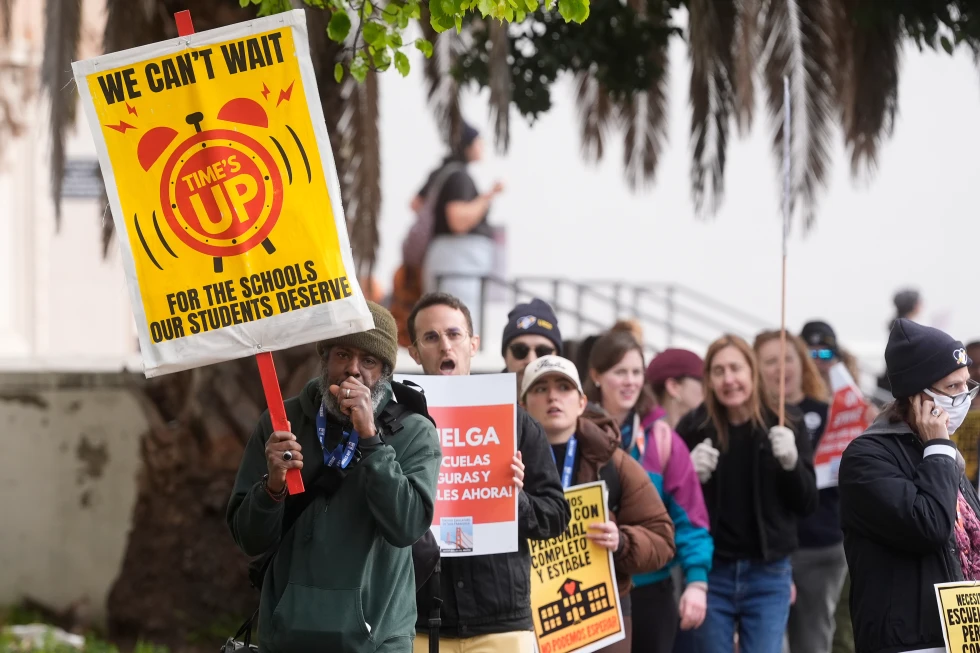
The San Francisco Unified School District’s 120 schools were set to remain closed for a third day Wednesday, after about 6,000 public school teachers went on strike over higher wages, health benefits, and more resources for students with special needs.
Some parents are taking advantage of after-school programs offering full-day programming during the strike, while others are relying on relatives and each other for help with child care.
Haught said he and his wife, who works evenings at a restaurant, planned to have their 8- and 9-year-old daughters at home the first week of the strike. They hope to organize play dates and local excursions with other families. They have not yet figured out what they will do if the strike goes on a second week.
“We didn’t try to jump on all the camps and things right away because they can be pricey, and we may be a little more fortunate with our schedule than some of the other people that are being impacted,” Haught said.
The United Educators of San Francisco and the district have been negotiating for nearly a year, with teachers demanding fully funded family health care, salary raises, and the filling of vacant positions impacting special education and services.
Teachers on the picket lines said they know the strike is hard on students but that they walked out to offer children stability in the future. Superintendant Maria Su reported progress in negotiations, including support for homeless families and AI training for educators, but the two sides have yet to agree on a wage increase.
Parents in the community are expressing the challenges posed by the strike, emphasizing their support for teachers while also needing to balance work and care for their children. As the situation unfolds, many are hopeful for a swift resolution.