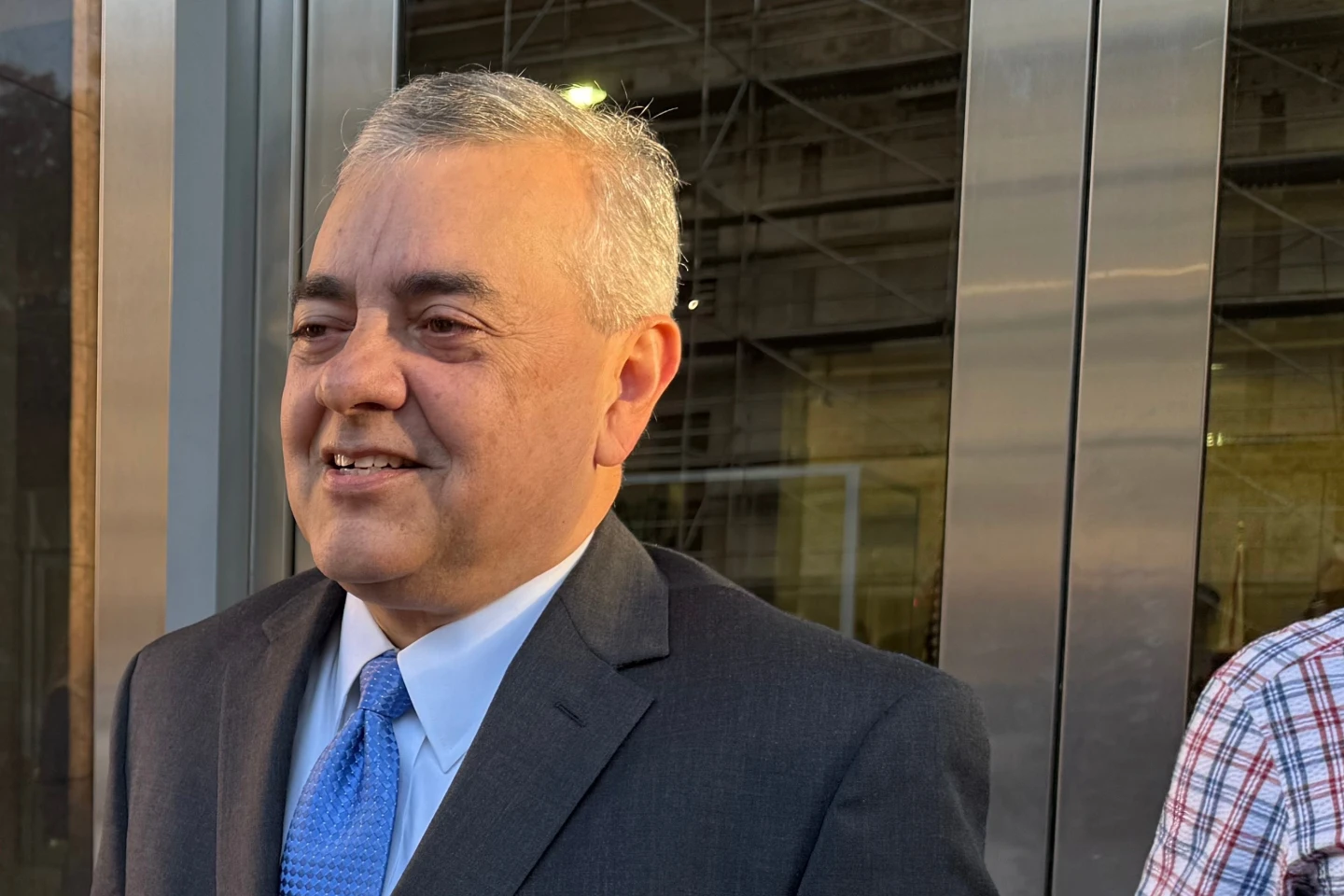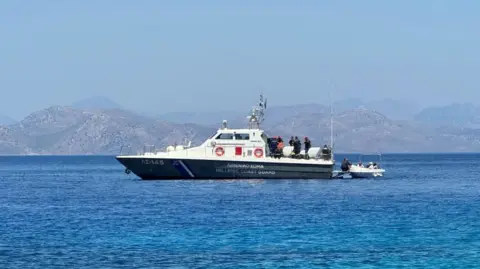
The rescue operation to get Venezuelan opposition leader and Nobel laureate María Corina Machado out of Venezuela involved disguises, two boats through choppy seas, and a flight, the man who says he led it told the BBC.
Dubbed Operation Golden Dynamite, the dangerous journey was cold, wet, and long - but the formidable Machado didn't complain once, said Bryan Stern, a US special forces veteran and founder of the Grey Bull Rescue Foundation.
The seas are very rough. It's pitch black. We're using flashlights to communicate. This is very scary; lots of things can go wrong, Stern recounted.
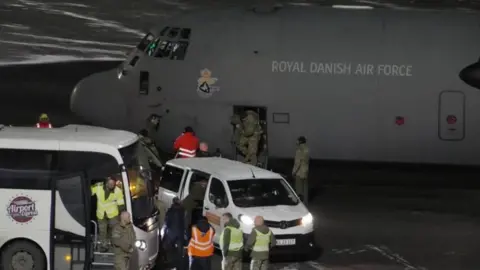
Despite the risks, they didn't encounter any major issues. Machado arrived safely in Oslo, Norway, to collect her Nobel Peace Prize just before midnight on Wednesday.
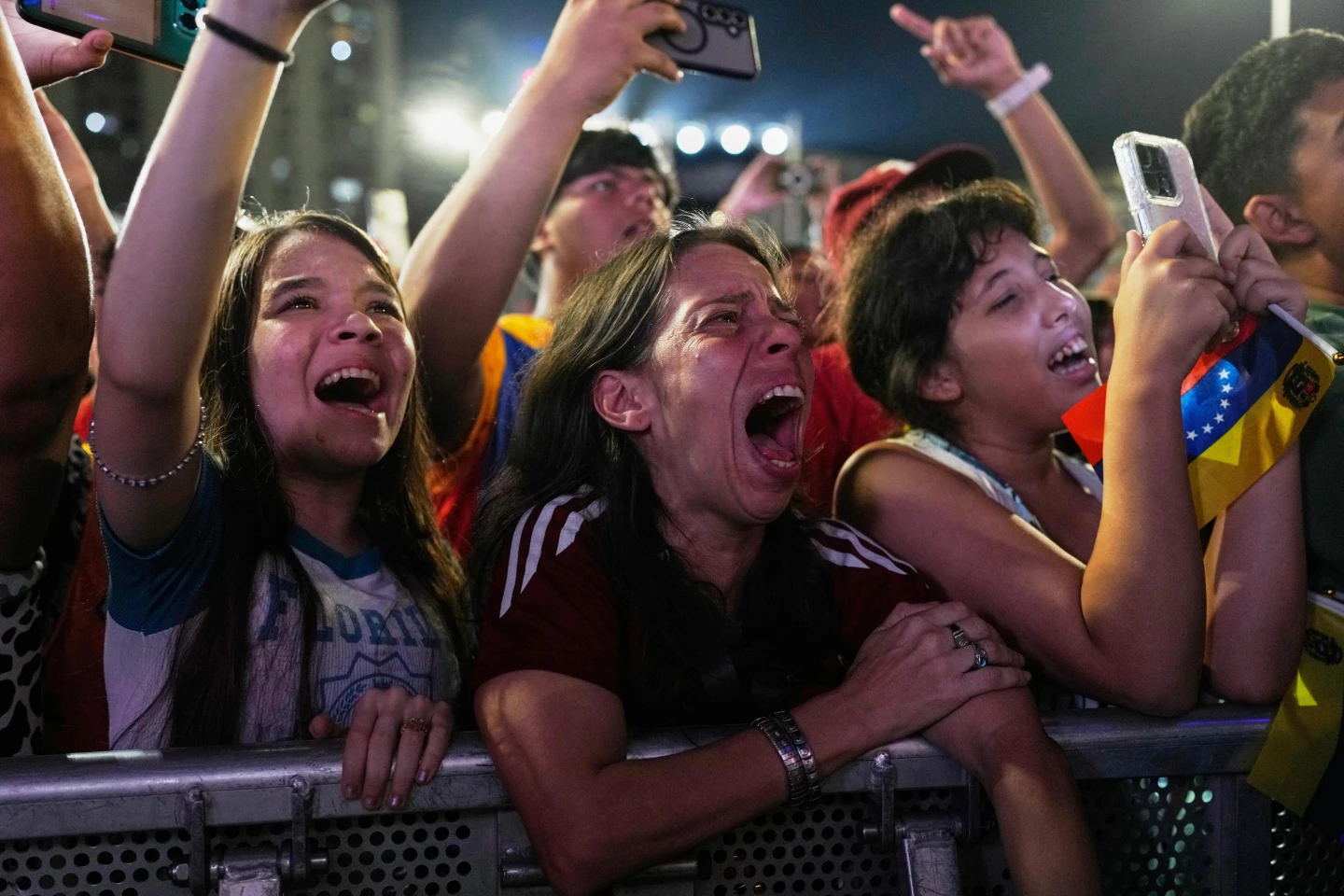
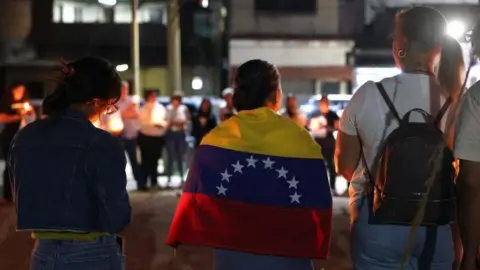
Machado had been living in hiding since Venezuela's widely disputed elections the previous year, having not been seen in public since January. Her children, whom she hadn't seen in two years, were on hand in Oslo to greet her.
Grey Bull specializes in rescue missions and evacuations from conflict zones. A representative confirmed that the organization was instrumental in her operation.
Mr. Stern noted that Grey Bull had been preparing for potential operations in Venezuela for months, establishing a presence in the Caribbean to facilitate swift rescues.
The mission to extract Machado became urgent after the US voiced concerns about the political situation in Venezuela.
The challenge in this case was getting somebody out who is as well-known as María Corina Machado, Stern said, given her status as a household name for the Venezuelan opposition.
The operation reportedly took place over a narrow window; discussions began on a Friday, deployments occurred on Sunday, and by Tuesday, the mission was complete.
Throughout her escape, various measures were enforced to conceal Machado's identity and digital footprint. Stern expressed appreciation for Machado's strength during the operation despite the harsh realities of their situation.
Fellow rescuers remained cryptic about their identities to protect those involved, with many not realizing they played a critical role in the operation, highlighting the complexities of such covert missions.
Despite her successful escape, Machado indicated plans to return to Venezuela. Stern advised against it, fearing for her safety, emphasizing her role as a mother and leader.
The operation, financed by private donors rather than the US government, showcases both the risks and efforts undertaken to protect influential figures in politically unstable regions.