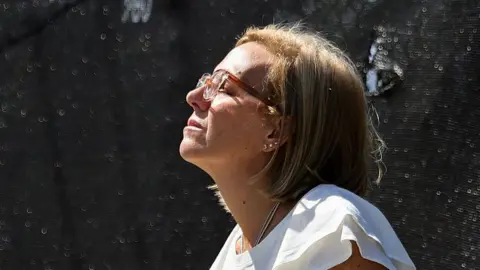
Rafael Tudares, the son-in-law of Venezuelan opposition candidate Edmundo González, has been released from prison, his wife has reported, marking a significant moment after his detention lasted over a year as part of a government crackdown on critics.
Mariana González announced that her husband returned home after '380 days of unjust and arbitrary detention.' His release follows a recently changing political landscape, highlighted by the detention and subsequent release of over 150 political prisoners since Nicolás Maduro's unexpected seizure by US forces.
Despite these releases, an NGO advocating for the rights of political prisoners warns that 777 individuals remain incarcerated in Venezuela.
The political climate is tense with Maduro's former vice president, Delcy Rodríguez, now acting as president. This interim government has garnered support from US President Donald Trump, who applauded Rodríguez for her agreement to transfer Venezuelan oil to the US.
Tudares's imprisonment represented a striking instance of repression following the highly contested 2024 presidential election, where Edmundo González emerged as the main opposition figure after María Corina Machado was barred from the race. The election resulted in significant public mobilization against alleged electoral fraud, yet the electoral council declared Maduro the victor without releasing verified results.
In the lead-up to the election, numerous opposition leaders were arrested to stifle dissent. González has since sought refuge in Spain, while Tudares's sudden arrest highlighted the state's harsh measures against dissenting voices. After months of uncertainty about her husband’s location and charges, Mariana learned of his 30-year sentence for 'terrorism and conspiracy', a designation critics argue is politically motivated.
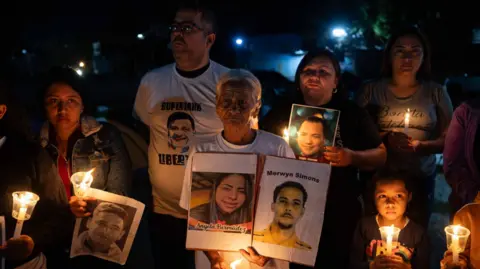
Mariana expressed gratitude to those supporting her husband’s release, yet emphasized that many families remain hopeful for their loved ones who have been 'forcibly disappeared, arbitrarily detained and unjustly locked up.'
Tudares's case reflects the broader struggle within Venezuela, as citizens continue to advocate for political reform and the release of detainees in the wake of ongoing governmental repression.