For months, US spies had been monitoring Venezuelan President Nicolas Maduro's every move. A small team, including one source within the Venezuelan government, had been observing where the 63-year-old slept, what he ate, what he wore and even, according to top military officials, his pets.
In early December, a planned mission dubbed Operation Absolute Resolve was finalized, resulting from months of meticulous planning and rehearsals, which included elite US troops creating a full-size replica of Maduro's Caracas safe house to practice their entry routes.
The plan, which amounted to an extraordinary US military intervention in Latin America, was intended to maximize surprise. Following a previous false start due to inclement weather, the command was finally given by President Donald Trump on Friday night.
We were going to do this four days ago, three days ago, two days ago, and then all of a sudden it opened up. And we said: go, Trump stated. The operation entailed a two-hour-and-twenty-minute military expedition involving multiple branches of the armed forces, described as virtually unprecedented in scale and precision.
As the attack progressed, explosions rocked Caracas, witnessed by residents who reported extensive aerial activity. Trump boasted of an extensive military build-up in the region, citing over 150 aircraft involved in the mission.
Operational details surfaced as the elite Delta Force troops approached Maduro's compound, leading to a quick but intense confrontation. Maduro attempted to flee to a ‘safe room’ that turned out to be futile as forces breached the tight security.
Clarity emerged when Trump confirmed that Maduro had been apprehended along with his wife, with Kovid injuries on the US side but no fatalities reported.
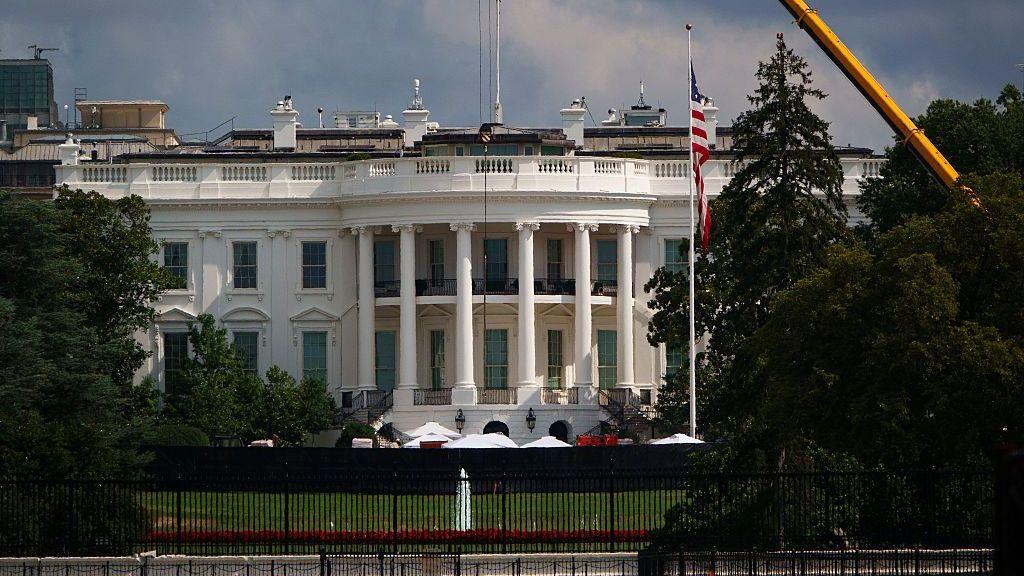
However, the mission raised significant eyebrows in Washington, with Democratic leaders expressing concern over the lack of Congressional authorization prior to the military action.
As world leaders reacted, it became evident that this extraordinary military endeavor could redefine not just US foreign policy, but also America's standing in Latin America and beyond.