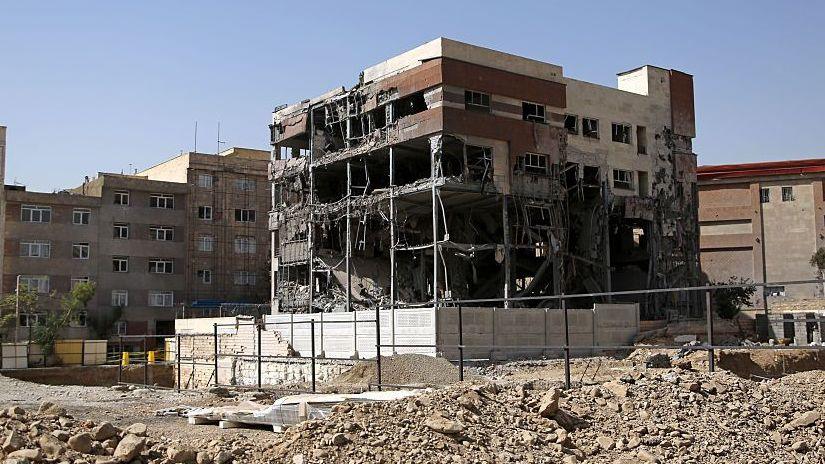
Oil prices fell sharply on Monday as the United States and Iran halted attacks for a third consecutive night, stoking hopes of a resolution.
Brent crude – the global benchmark for petroleum – slid below $88 a barrel, the steepest decline seen since last week when it hovered just over $100.
The move came after the US Ambassador to the United Nations confirmed that the two sides had paused military operations to give talks “some space”. An Iranian army spokesperson echoed the news, stating Tehran had stopped retaliatory strikes.
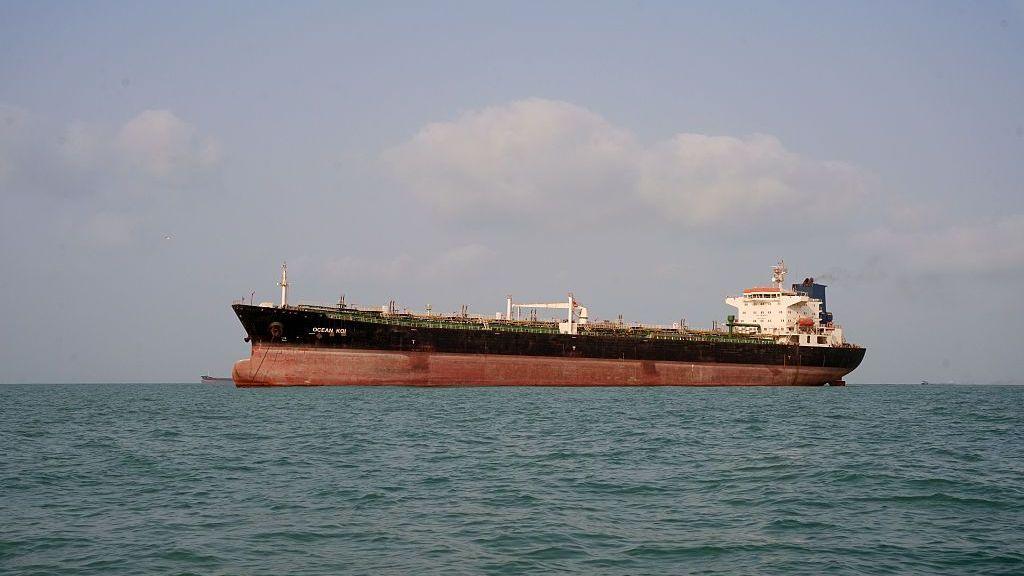
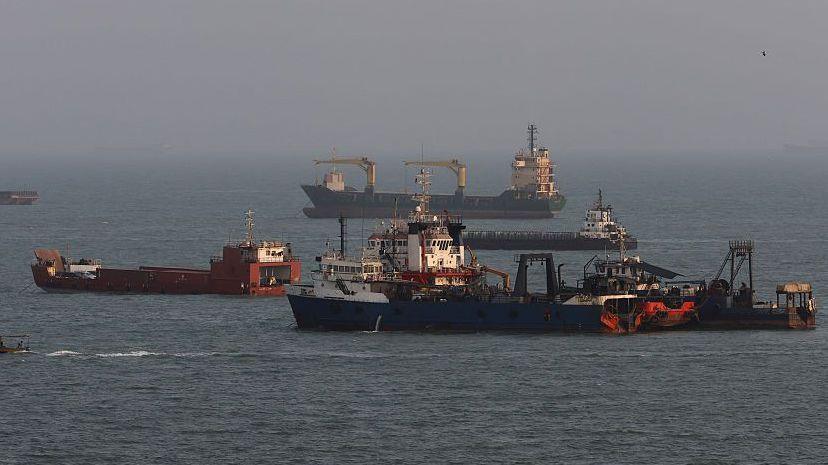
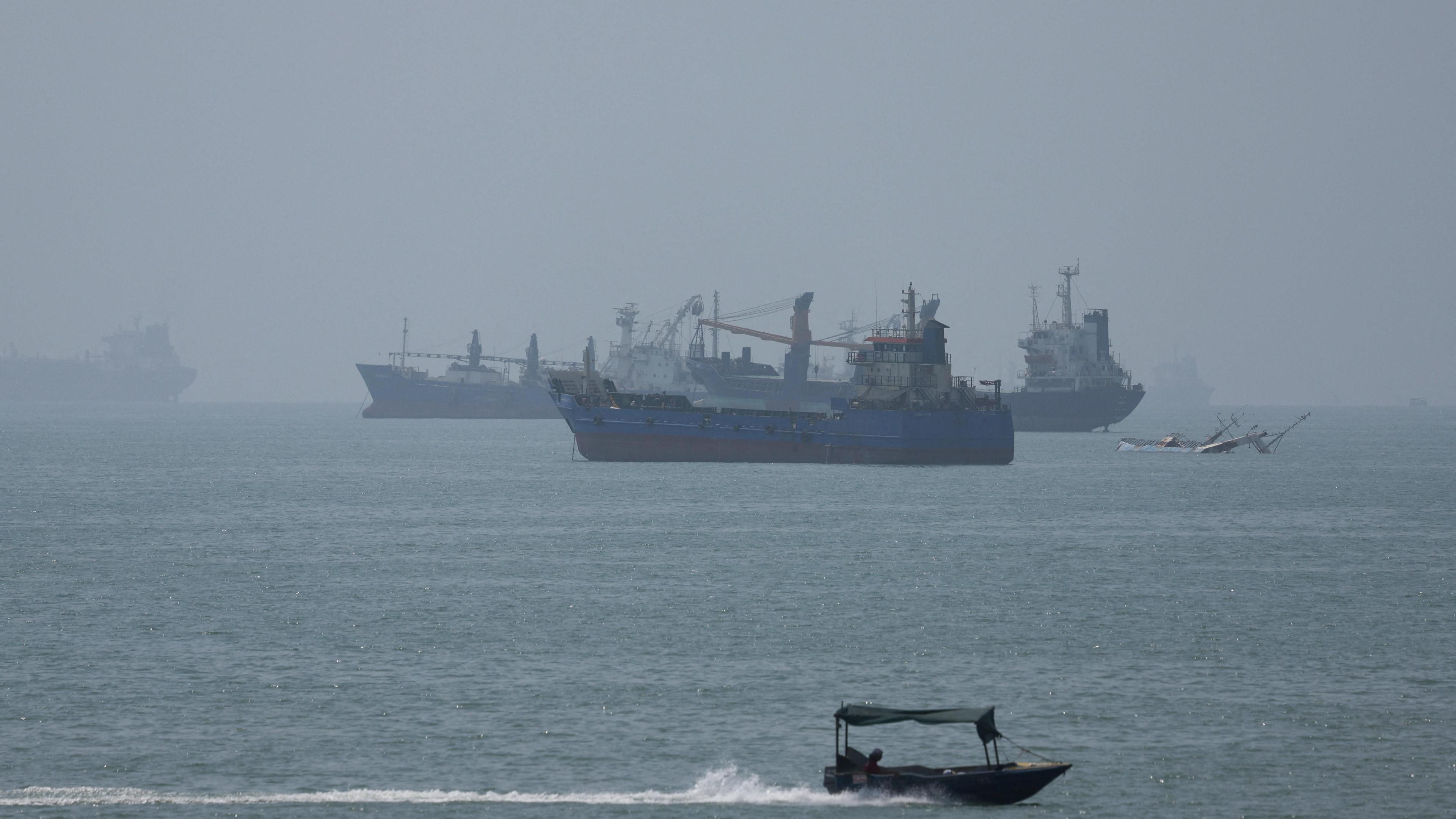
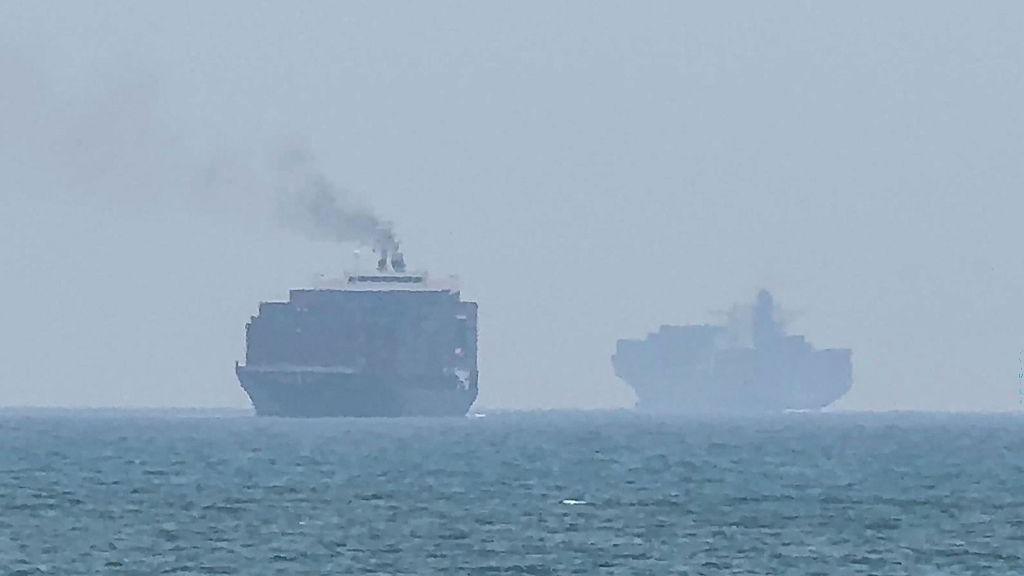
The flare‑up of the Iran–US war had first sent prices up by closing the Strait of Hormuz, a crucial shipping lane that carries around 20 % of the world’s crude and LNG. When a memorandum of understanding was signed in June to halt hostilities and reopen the strait, prices fell to roughly $70 a barrel, only to rise again when the ceasefire broke down earlier this month.
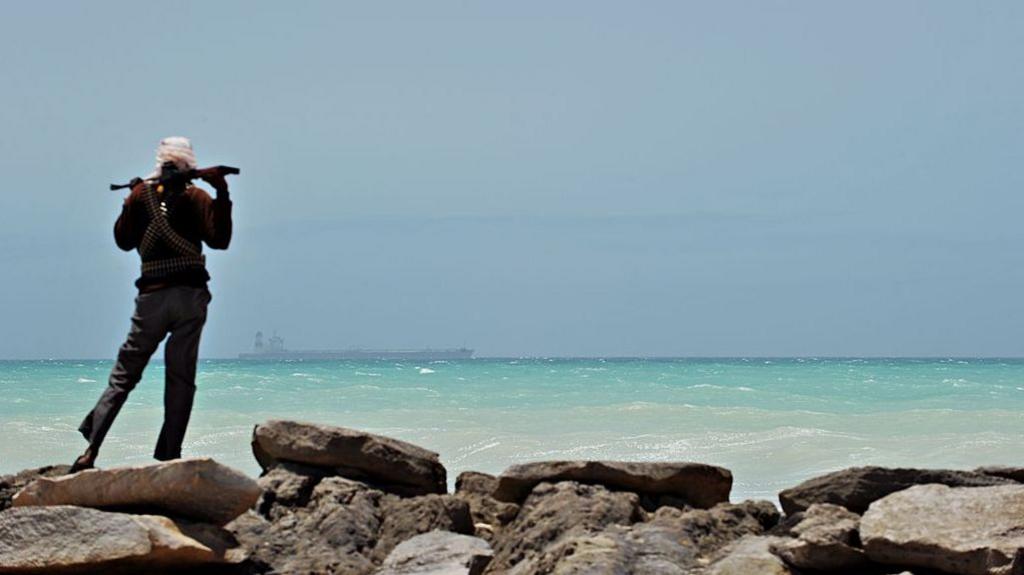
Last week’s high of $100 a barrel—on top of attacks by Yemen’s Houthi militia on tankers in the Red Sea—highlighted how quickly the crisis can derail global supply chains.
"Markets remain cautious given the twists and turns during this conflict," said Susannah Streeter, Chief Investment Strategist at Wealth Club. "There is still significant uncertainty baked into these prices and a reticence about whether negotiations will lead to a lasting breakthrough."
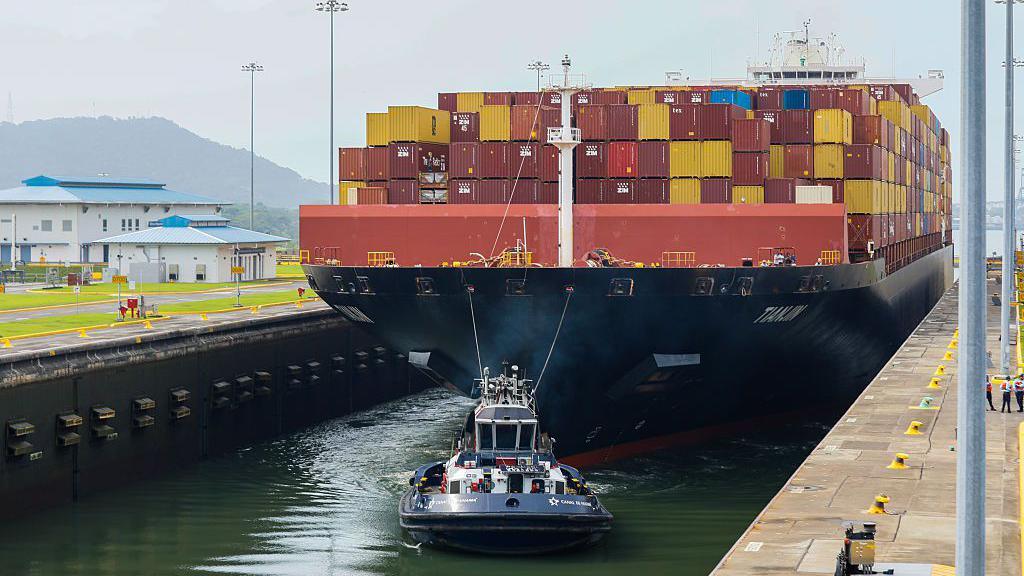
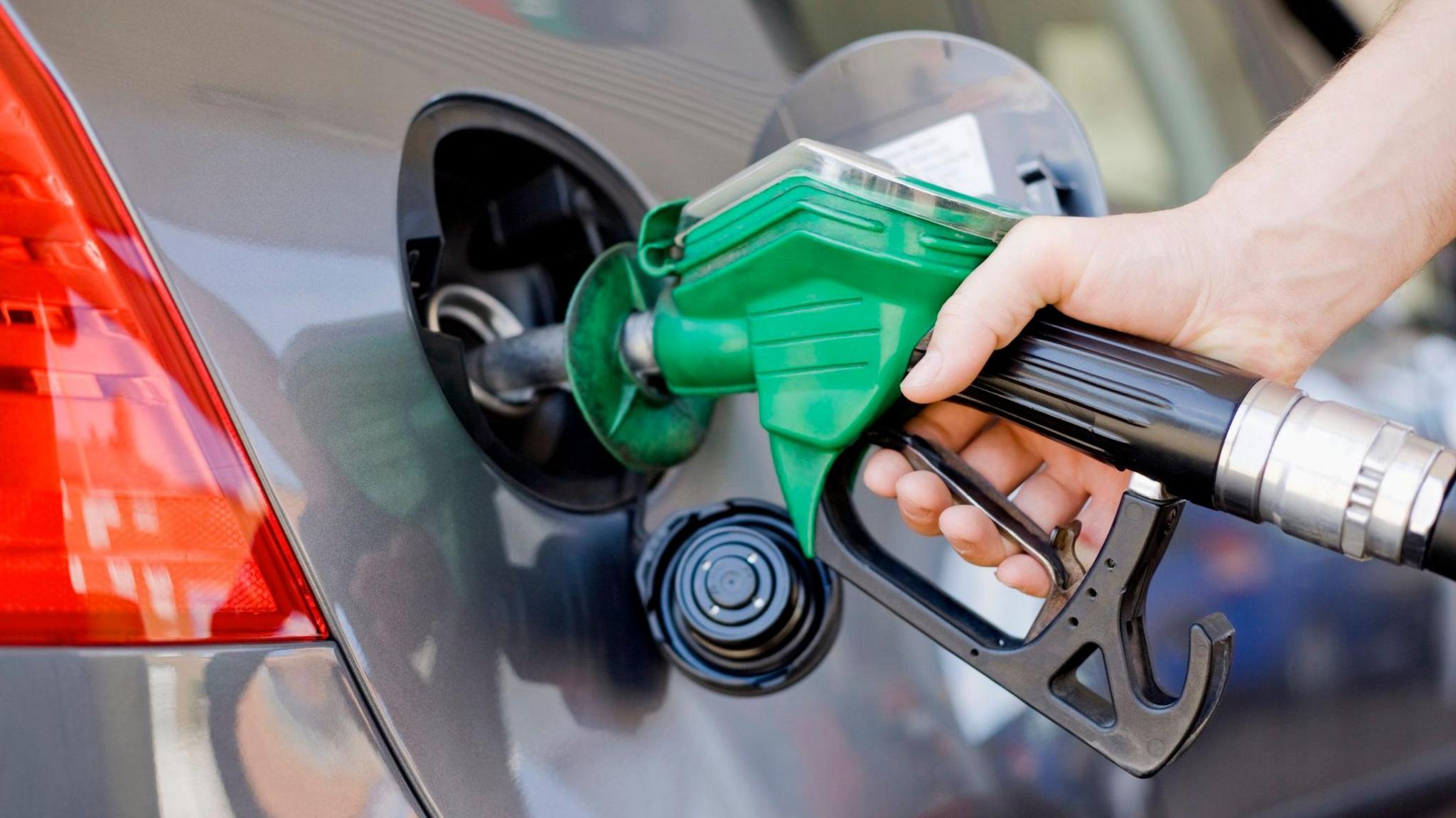
The volatility has pushed up petrol and diesel prices in many countries, which in turn fuels higher transportation and production costs. Those increases stormed through to consumer‑facing goods, putting a new squeeze on inflationary pressures.
For more on the possible long‑term impacts and the path ahead, follow our interactive maps and community discussions in the metaverse newsroom.