In brief
The latest U.S. CPI figures show a modest 3.4% rise over the past year, down a touch from June. Hunger and energy price swings underpin the data: food climbs softly while gasoline remains volatile following Middle East tensions. Housing costs lift the headline rate month‑to‑month, yet the core inflation excluding food and energy ticks up only 0.2%. New Fed Chair Kevin Warsh stresses gradual cooling and patience as the bank focuses on nudging inflation toward its 2% target. The market reacts calm, reflecting expectations that the slowdown continues without a sharp policy shift.
US CPI data reveal a slight easing of inflation in July, to a 3.4% rise over the past year – a modest dip from 3.5% in June.
Energy prices remain volatile; gasoline fell 2.9% from June but is up 24.6% year‑on‑year, reflecting ongoing regional tensions in the Middle East.
Monthly headline inflation edged up 0.1% in July, driven largely by higher housing costs – rent moves can lift the overall figure as that component dominates household spending.
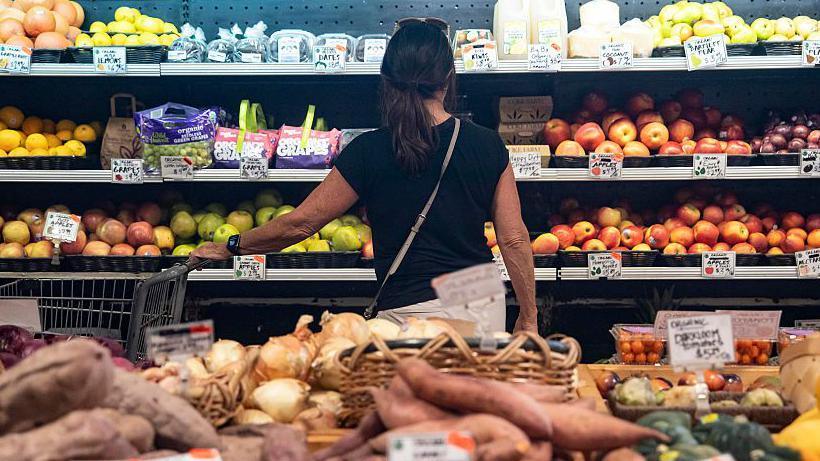
Food price growth slowed to a moderate pace in July, while energy falls offered buyers some relief. Core inflation excluding food and energy edged up 0.2% after stagnating in June, with medical care and airline fares advancing and car insurance falling.
New Federal Reserve Chair Kevin Warsh emphasized that the bank’s focus remains on nudging inflation steadily toward two percent, describing patience as key as price trends cool slowly.
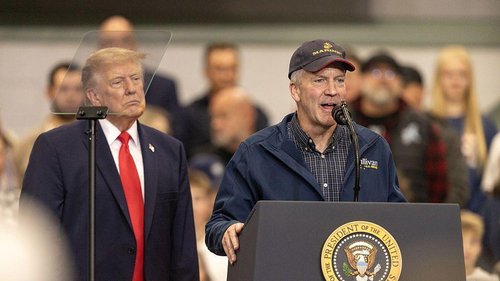
President Donald Trump echoed concerns about the cost of living, pointing to rent and grocery bills as ongoing challenges for households.
Financial markets reacted calmly, with equities largely unchanged and jobs figures further tempering expectations for a rate hike after July’s report on job losses.
These data suggest that while the tempo of price growth has slowed, overall inflation remains above the Fed’s 2% target, prompting cautious outlooks from policymakers and market observers alike.