In brief
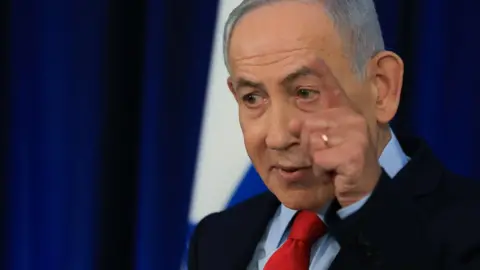
In a significant escalation of hostilities in the Middle East, Israeli Prime Minister Benjamin Netanyahu has claimed that Israel conducted a strike on Iran's South Pars gas field without coordination from the United States. This attack follows Iranian retaliatory strikes on energy infrastructure, including targets in Qatar, raising concerns about global energy supply impacts. Netanyahu emphasized Israel's ongoing military actions against Iran, asserting the nation was facing substantial damage.
Israeli Prime Minister Benjamin Netanyahu has stated that Israel 'acted alone' when it struck an Iranian gas field amidst rising tensions in the region. This assault involved Iran's South Pars, a crucial part of the world's largest natural gas field, which prompted retaliatory strikes from Tehran on energy facilities in Qatar, escalating the conflict significantly.
Netanyahu's assertions came in a press conference where he detailed the repercussions of these military actions. The attacks have led to a noticeable spike in energy prices globally, with US President Donald Trump indicating he was unaware of the strikes beforehand.
Recent events have cast doubt on the unity of Israel and the US regarding their military strategies, particularly as Netanyahu defended Israel's independent decision-making in the Middle East conflict.
As tensions mount, a senior Iranian official warned of severe consequences if further strikes on its infrastructure were to occur. Qatar’s Prime Minister described the situation as a dangerous escalation that threatens global energy supplies.
With approximately 20% of the world's oil passing through the Strait of Hormuz, these developments could have broader implications for international energy markets, highlighting the fragility of the current geopolitical landscape.