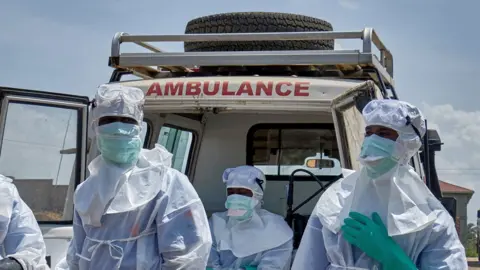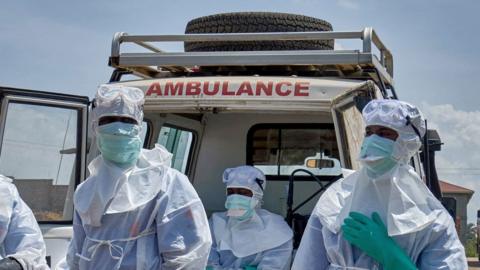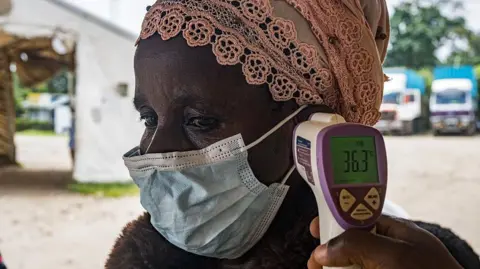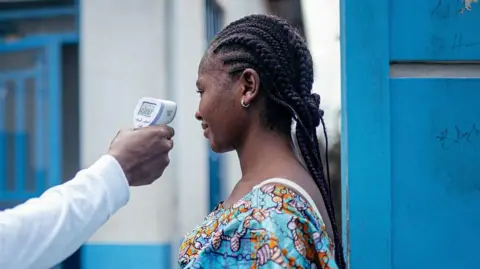
An Ebola outbreak in the Democratic Republic of Congo has been declared a public health emergency of international concern by the World Health Organization (WHO). This outbreak is particularly difficult to manage due to its association with the Bundibugyo strain of the virus, which has not been seen for over a decade and for which there is currently no approved vaccine.
The virus typically infects animals, with humans often contracting it through handling infected animals. Symptoms can appear between 2 to 21 days after infection, starting with flu-like symptoms such as fever, headache, and fatigue, and can progress to severe conditions, including organ failure and bleeding.
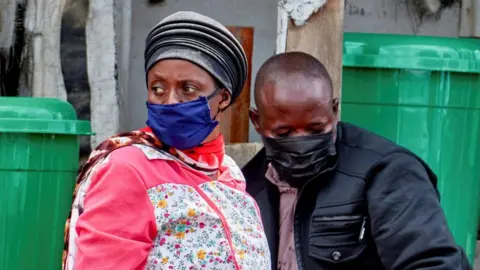
The recent outbreak in DR Congo, which has already resulted in several fatalities, was initially hard to detect because tests were conducted for more common strains of the virus. Compounding these challenges, the outbreak occurs in a conflict zone, complicating response efforts and leading to mass displacements and border crossings of individuals potentially carrying the virus.
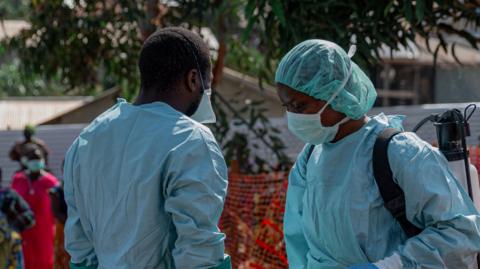
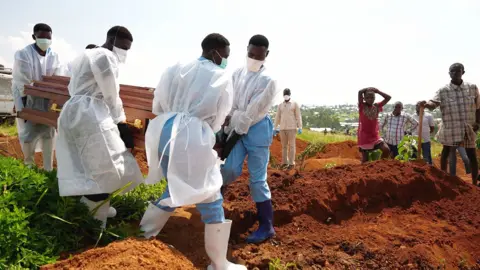
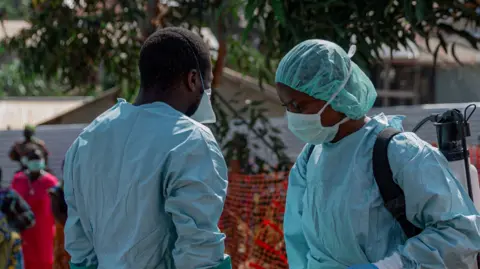
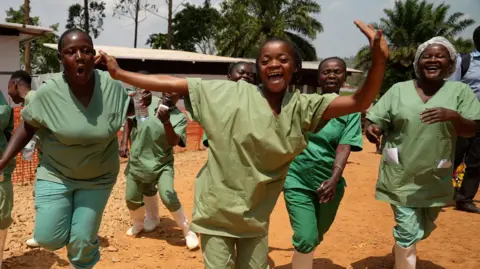
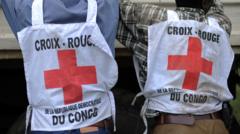
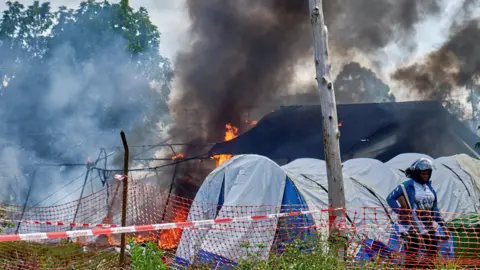
Public health officials are working diligently to address the outbreak, established treatment centers, and disseminate information about hygiene and safe burial practices, especially after a nurse infected with the virus passed away and was improperly handled at her funeral. Community beliefs and mistrust of health authorities have slowed down the reporting and containment of the outbreak, as some community members mistakenly attribute Ebola symptoms to witchcraft.
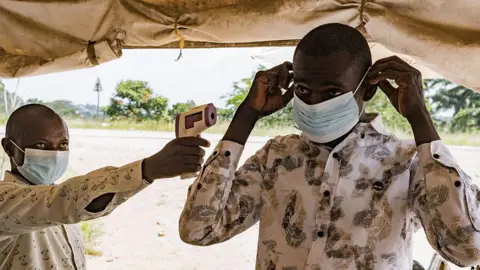
Efforts to combat the outbreak are also being coordinated with neighboring countries such as Uganda and Rwanda, which have ramped up health screenings and precautionary measures in response to the risk of cross-border infections. Local health teams, supported by international health organizations, are working on the ground to manage the situation effectively.