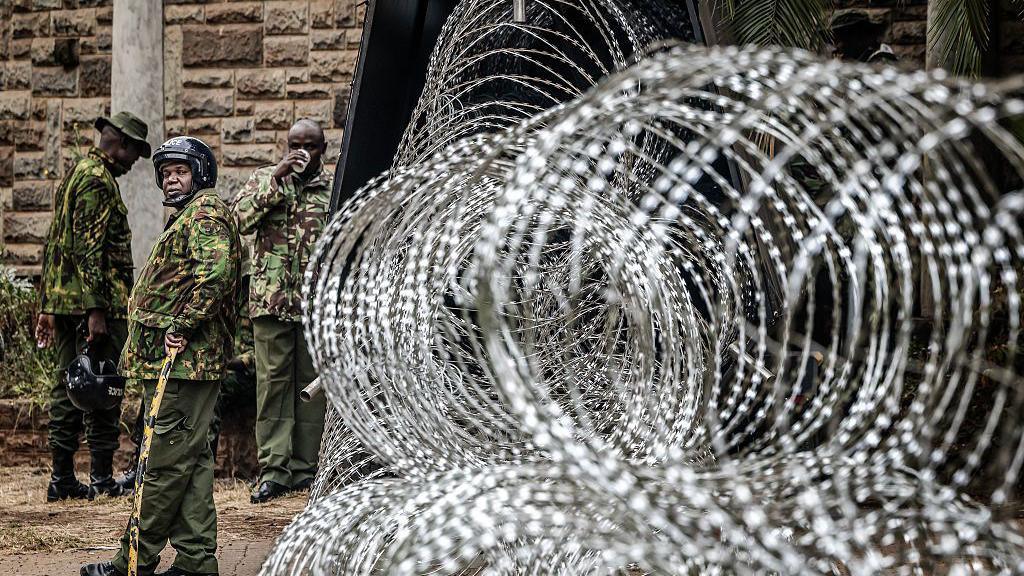
Nairobi Roadblocks as Gen‑Z Protest for Justice Approach
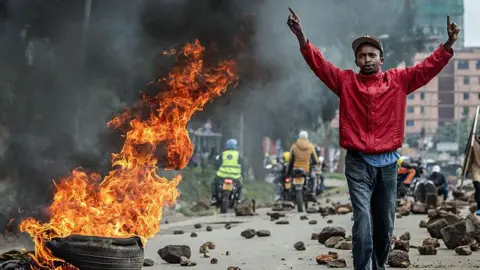
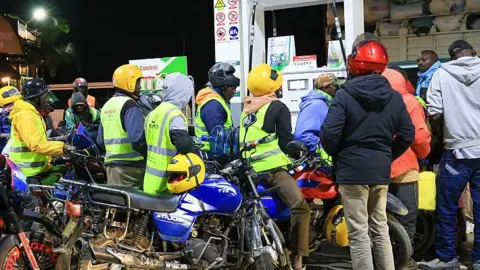
Police cordon off key arteries leading into Nairobi’s city centre ahead of the two‑year anniversary of the 2024 anti‑tax protests. Highways such as Thika Super, Mombasa Road, the Nairobi‑Namanga and Kenyatta Avenue are now blocked, leaving commuters stranded and local businesses closed.
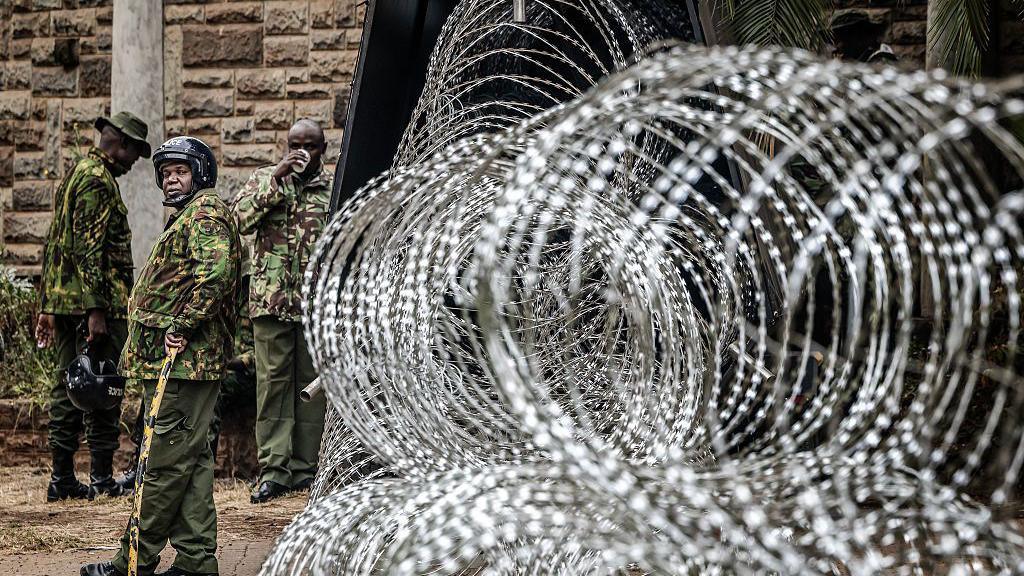
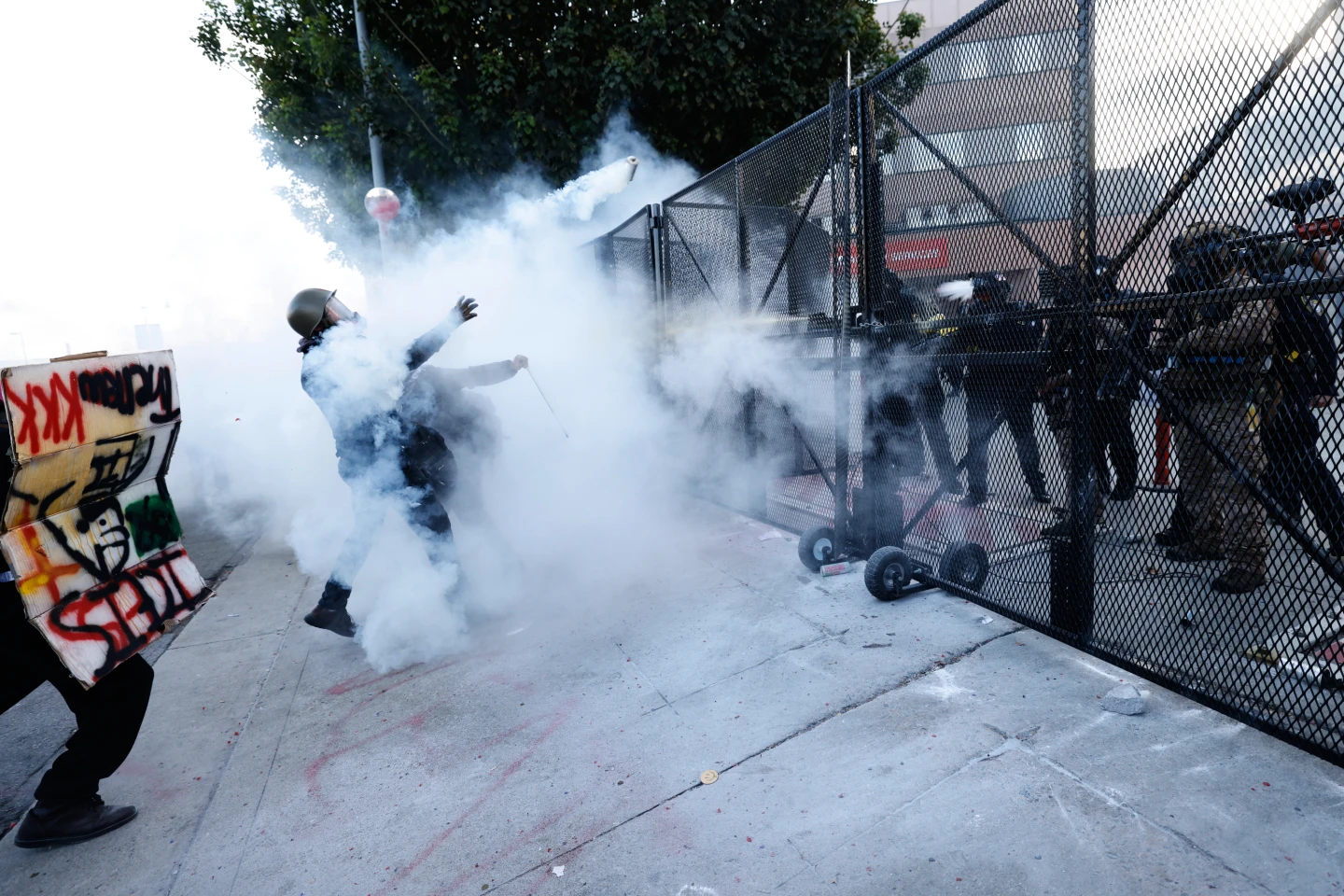
The police move follows a history of violent confrontations with protesters that began in June 2024, when Kenyans marched against a proposed tax hike and stormed Parliament. The protests ended with the withdrawal of the finance bill, but over 80 people were killed and dozens injured.
Members of the Gen‑Z generation and civil‑rights organisations now demand justice for the victims. Many families are calling for a peaceful remembrance of those lost. “We don’t want tear gas and running battles in the streets. We are too old for that,” one grieving parent told journalists.
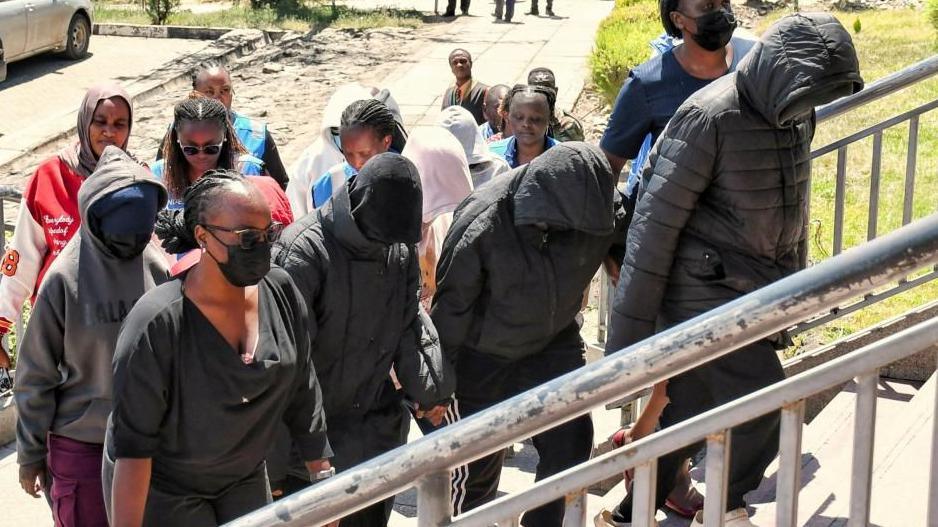
Opposition leaders—Kalonzo Musyoka, Martha Karua and Eugene Wamalwa—joined families to lay wreaths at Parliament, underscoring the unity between political actors and bereaved citizens. Yet the police have maintained a heavy presence, firing tear gas at some gatherings and arresting several supporters as they attempt to reach the city centre.
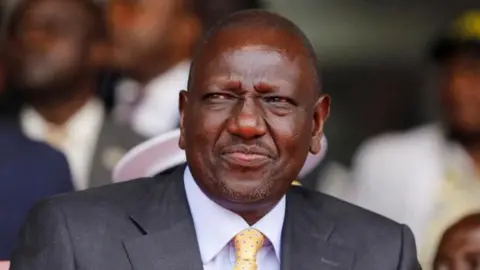
President William Ruto said people have a right to protest, but explicitly warned that those who “mobilise to destroy property or cause chaos” will not be tolerated. Meanwhile, Vice President Rigathi Gachagua advised Gen‑Z activists to stay home and symbolically show dissent.
In an effort to placate opponents, Ruto announced nearly $15m in compensation for victims of protest‑related abuses between 2017 and 2025. Human‑rights organisations, however, rejected the payout for its limited scope and lack of transparency.
With elections looming in 2027, the unrest has amplified public discontent. Critics accuse the administration of failing to deliver on campaign promises, while the president maintains that most pledges have been fulfilled and vows to defend his record as he seeks re‑election. The tense atmosphere around the upcoming protest anniversary reflects deep divisions within Kenya’s political landscape, the resilience of its youth activism, and a nation poised on the brink of change.