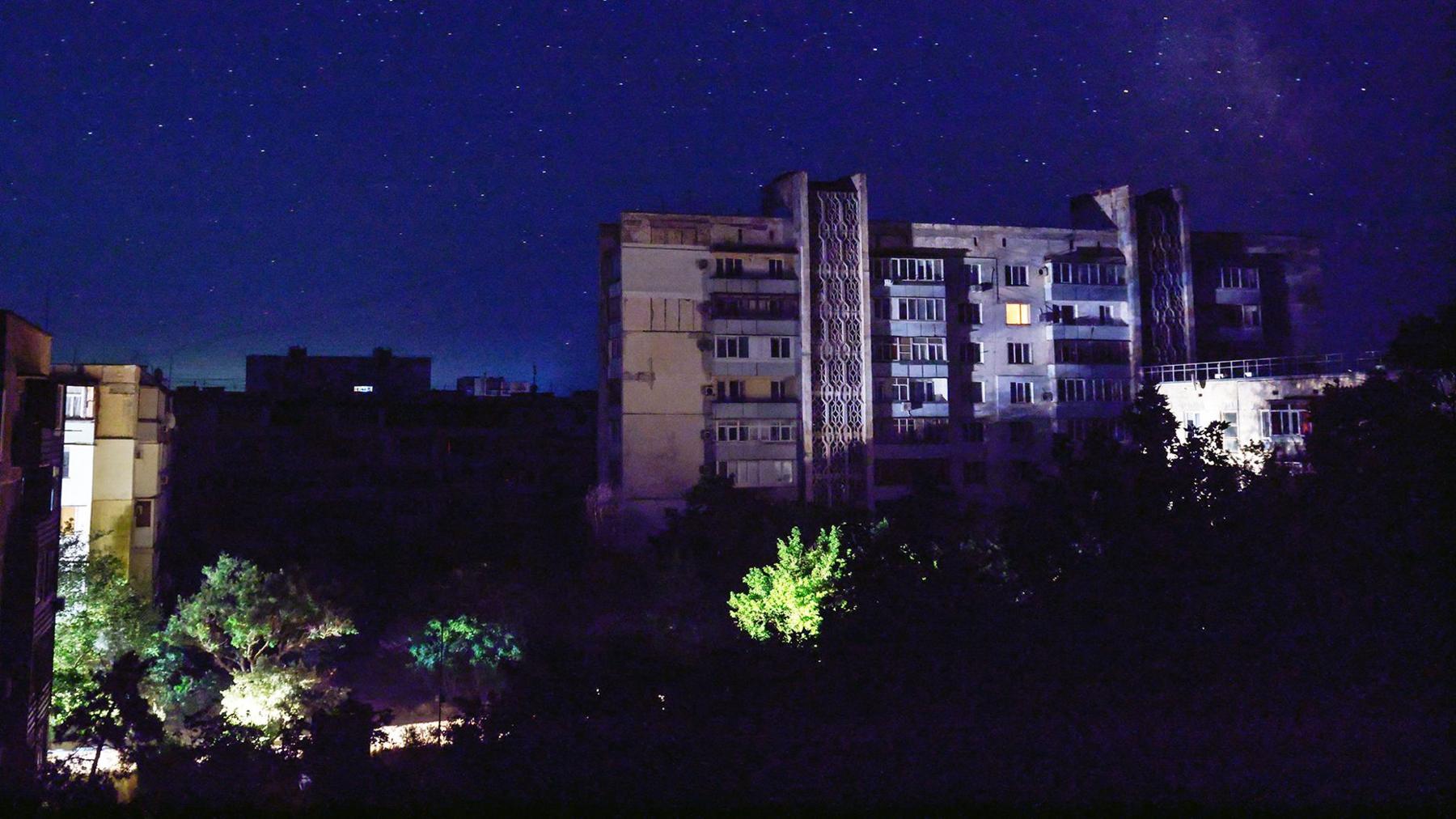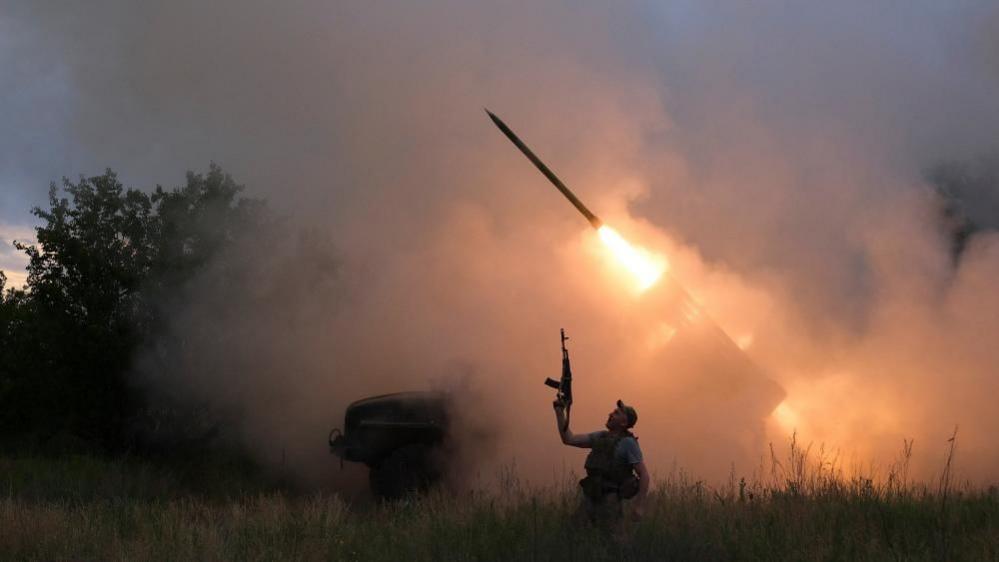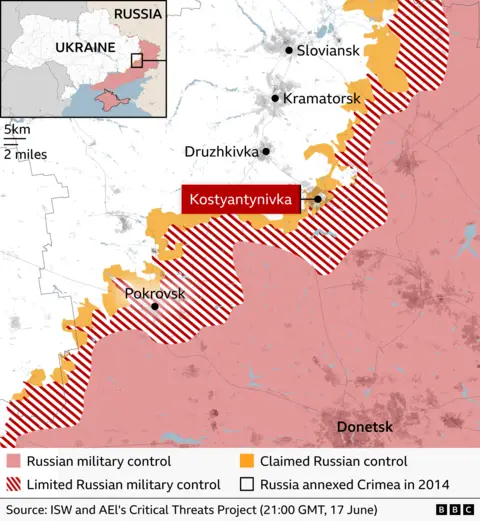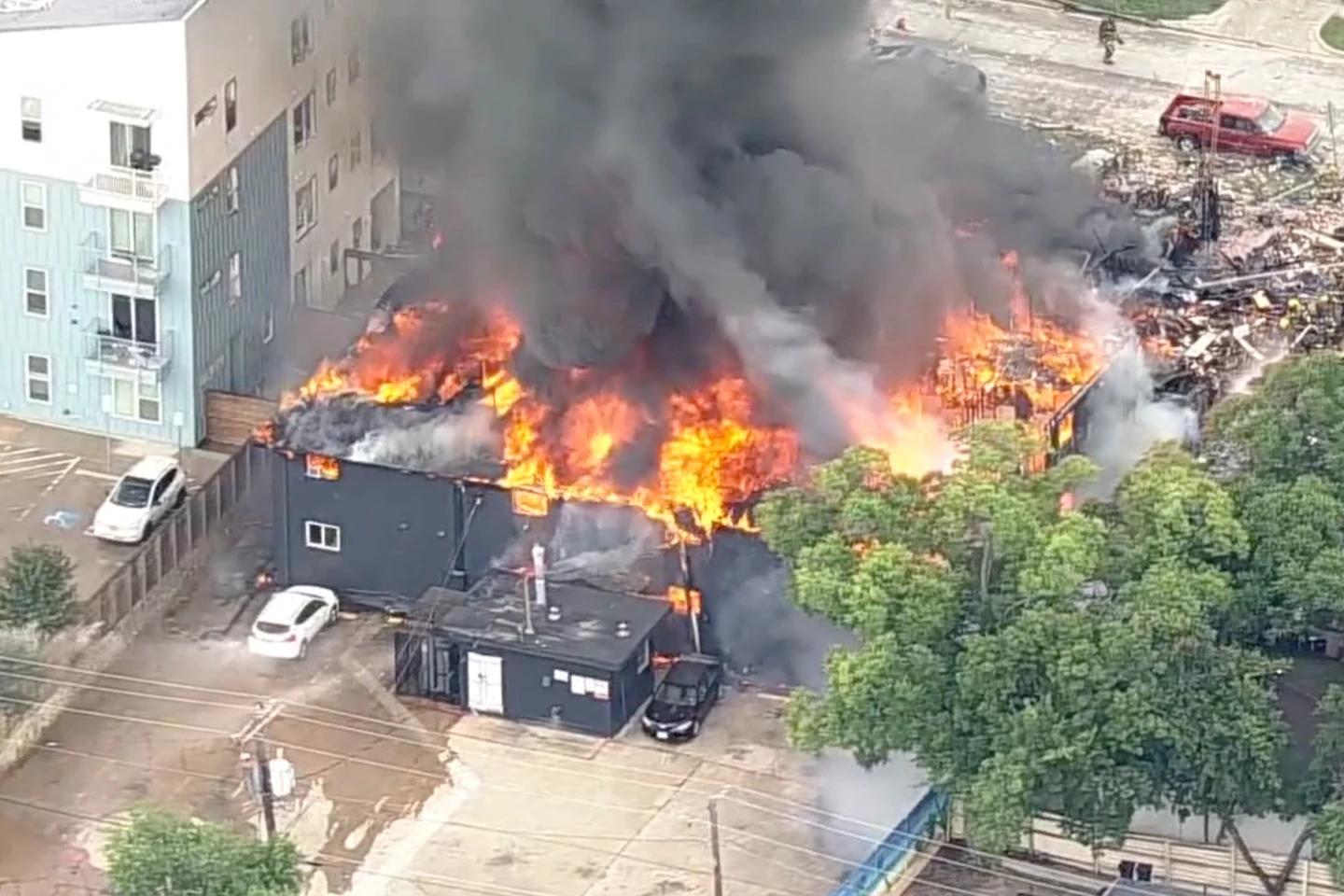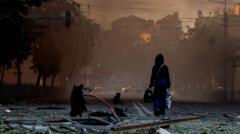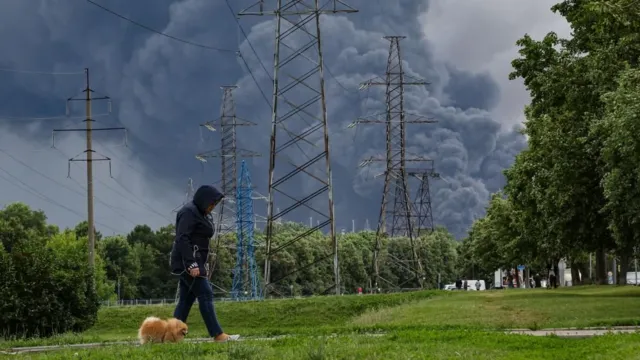
On Thursday morning the city of Moscow was not the quiet, ordinary place it had been for much of today. Long‑black smoke, a smoldering haze that seemed to turn the sky itself into a black shroud, rolled across the street of an oil refinery on the city’s edge after a Ukrainian drone struck its facilities.
While shoppers hurried through supermarkets, children laughed in playgrounds, an angler cast a line by a pond and a veteran watched from a terrace. The explosion and the haze, however, pushed back the illusion that Moscow’s daily life remained untouched by the war in the east.
For a year and a half, Moscow residents have learned how the line between home and battlefield has blurred: generals have been assassinated, drones have roamed the capital and now the refinery’s smoke makes the city a frontline. The incident is a large‑scale aerial assault that the Kremlin has chosen not to highlight, but the outside world knows it was a clear call that the war now reaches Moscow itself.
The governor of Moscow’s region reported that an eight‑year‑old girl died in a fire sparked by one of the strikes. Harsh fire crews chased the blaze as it ate the refinery’s storage tanks and sparked panic in surrounding neighbourhoods.
Within moments, mainstream Russian media began covering the event with a distinct message: the attacks inflicted by Russia make the Ukrainian war suffer. Newspapers and televised reports frame the strikes as demonstrations that the Russian effort outpaces the Ukrainian resistance.
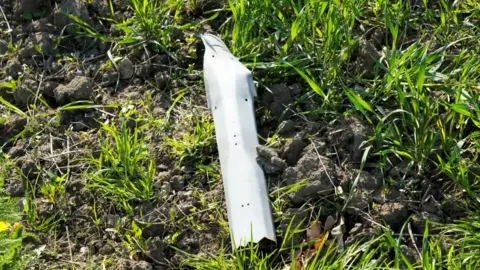
The Kremlin reacted with caution and calm. President Vladimir Putin’s spokesperson offered a casual reply: “Footage from Ukraine shows the effectiveness of our strikes. These will continue.” The decision to keep the attack under-the-radar points to a continued focus on the larger war effort, not to a temporary shift in Moscow’s safety concerns.
Economic repercussions are already apparent. Fuel shortages, rationing, and price hikes are reported across the country. The long‑range drone strikes on Russian oil facilities are strangling the economy, creating a new kind of reality—a city living under a constant threat of sudden attack.
The city prepares for more, as analysts warns that the June 18 incident is not the final one. The people's question is not only an administrative one—how to respond, when they cannot act— but also a matter of living in a place constantly on the verge of conflict. The day a plume of smoke hovered over the skyline, the curtain of normalcy fell away and the war’s presence became visible to every resident.