In brief
Recent findings indicate that great white sharks are faced with extinction in the Mediterranean due to illegal fishing practices. Despite being a protected species, over 40 great whites have been killed in North African waters in 2025 alone. Ongoing conservation efforts aim to track and study these endangered sharks, showcasing the urgency of their plight in the region.
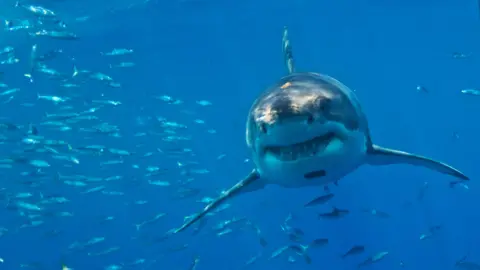
Great white sharks in the Mediterranean Sea are in danger of disappearing, with illegal fishing contributing to their decline. This is according to research by US scientists, working in partnership with the UK charity Blue Marine Foundation. They say some of the most threatened species—including great white sharks—are being sold in North African fish markets.
Great whites are one of more than 20 Mediterranean shark species protected under international law, meaning it is illegal to fish for them or to sell them. However, researchers discovered that at least 40 great white sharks have been killed in North Africa in 2025 alone, despite their protected status.
The BBC has independently verified footage from social media showing protected sharks being brought dead into North African ports. This alarming trend highlights the ongoing threats to these majestic creatures as illegal fishing practices continue unabated.
Last Stronghold For Sharks
Lead researcher, Dr. Francesco Ferretti from Virginia Tech, explained that shark populations, particularly white sharks, have declined dramatically in the Mediterranean in recent decades. No other stretch of water is fished like the Mediterranean Sea, he stated, noting the intensifying impact of industrial fishing which could lead to their extinction in the near future.
The Mediterranean white shark population is now classified as Critically Endangered by the International Union for the Conservation of Nature. Efforts continue as researchers work in the Strait of Sicily, identified as the last stronghold for several threatened shark species, in hopes of fitting a satellite tracking tag onto a white shark for the first time.
Sharks for Sale
Researcher James Glancy from Blue Marine reported that numerous white sharks are found for sale in Tunisian markets, indicating that wildlife still exists in the region, but highlighting the urgent need for conservation efforts. There is hope for recovery if countries around the Mediterranean collaborate and offer sustainable fishing training to local communities.
Despite the challenges, there remains a paradoxical hope in the existence of these sharks: It shows that there is wildlife left, Glancy added. However, he emphasized the pressing need for action to protect these critically endangered species before it's too late.
What Can Be Done?
In poorer communities in North Africa, fishermen sometimes face hard choices between feeding their families and releasing a threatened species back into the ocean. Experts suggest that supporting and training locals in sustainable fishing practices could prove vital in protecting these species
As the Mediterranean faces pressing ecological challenges, the international community's collaboration will determine the fate of its marine biodiversity. Stakeholders must act quickly to secure a future for these iconic sharks and ensure that future generations can also appreciate their presence in these waters.