In brief
The Amazigh new year, Yennayer, is celebrated across Algeria, Morocco, Tunisia, and Libya, marking the year 2976 based on their unique calendar. The festivities include family gatherings, traditional cuisine, and vibrant cultural displays, symbolizing the community's long-standing connection to their roots and ongoing fight for recognition.
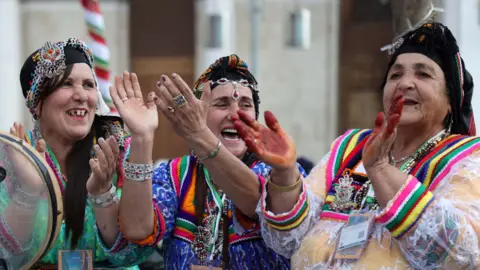
The Amazigh people of North Africa have commenced celebrations for the year 2976 in their unique calendar, which is rooted in history tracing back to 950 BC. These festivities, known as Yennayer, typically occur between January 12 and 14, where families engage in large feasts, music, and vibrant cultural attire.
Joyful expressions of aseggas ameggaz or happy new year resonate in their communities, highlighting the cultural richness of the Amazigh. These traditions center on familial gatherings and the deep bond with nature, ensuring the observances are both a celebration of renewal and cultural identity.
The Yennayer festivities also vary by region, with dishes such as ourkemen from Morocco's High Atlas and trèze from Algeria, symbolizing prosperity and abundance in the new year.
Despite a long history of marginalisation, recent years have seen a resurgence in recognition and celebration of Amazigh culture and language, with Yennayer recognized as a public holiday in countries like Algeria and Morocco. This evolution is not just a cultural renewal but a testament to the resilience and pride of the Amazigh people as they celebrate amidst their rich tapestry of heritage.