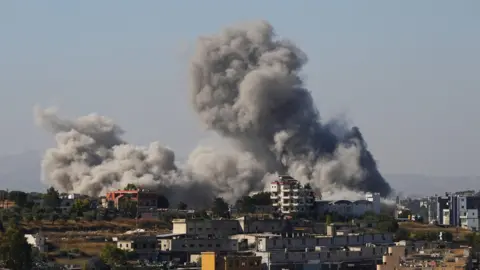
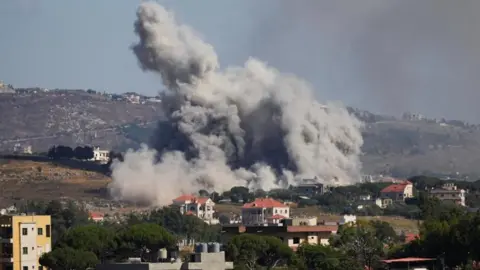
Celebrations erupted across Syria and even in neighboring Lebanon following the unexpected fall of Assad's regime on Sunday. This monumental shift followed over 50 years of oppressive rule and prompted a reconfiguration of power in the Middle East, notably the dynamics surrounding Iran and Russia's influence in the region.
In the past, the U.S. strategic viewpoint was heavily centered on Iran's dominance and their connection to a "Shia crescent," where Syria served as a pivotal link in supplying weapons to terrorism factions, including Hezbollah. The Assad regime acted as a stronghold for Russian military presence and strategic interests.
However, on Sunday, U.S. intelligence was jolted awake to a shifting reality. Many officials had underestimated the instability plaguing Assad's grip on power and believed he would remain in control, even to the extent of deploying chemical weapons. As the dust settles from this seismic political shift, two key questions emerge for Washington, especially as President-elect Donald J. Trump prepares for his inauguration amid these rapid changes.
Firstly, will rebel forces push to expel Iranian and Russian influences from Syrian territory, a move many leaders have boldly claimed? Alternatively, will a pragmatic desire for stability lead them to negotiate or coexist with these former adversaries?
As the situation unfolds, external powers, especially in the U.S., must reassess their interests and involvement, signaling a new chapter in the Middle East's complex political landscape.