In brief
In Portland, a new wave of legal action unfolds as conservation groups, Native American tribes, and states push for modifications in dam operations on the Columbia and Snake Rivers, following the recent breakdown of a federal agreement aimed at salmon recovery. The court hearing highlighted the urgency of preserving endangered fish species as the parties involved seek solution amidst opposition from federal entities.
PORTLAND, Ore. (AP) — Friday marked another pivotal chapter in the ongoing struggle to protect declining salmon populations in the Columbia and Snake Rivers as conservation groups, Native American tribes, and the states of Oregon and Washington returned to court. They seek changes to dam operations following the collapse of a significant agreement with the federal government designed to aid in salmon recovery efforts.
Last year, the deal was undermined when the Trump administration rejected a plan proposed by the Biden administration, which allocated $1 billion over a decade to restore salmon populations while also improving tribal clean energy initiatives. This plan aimed at enhancing fish survival rates by potentially breaching four contentious dams on the Snake River, labeled by the White House as radical environmentalism that threatened dam operational integrity.
U.S. District Judge Michael Simon, addressing a crowded courtroom, remarked on the recurring nature of this litigation, calling it a sense of “déjà vu.”
The plaintiffs have charged that current dam operations violate the Endangered Species Act and have repeatedly sought judicial intervention to amend dam procedures over the years. Their requests include lowering reservoir water levels to expedite fish passage and increasing spillover rates to assist juvenile fish in navigating around dams rather than through harmful turbines.
We are looking at fish that are on the cusp of extinction, explained Amanda Goodin, an Earthjustice attorney representing various environmental and fishing groups, stressing the urgency of the situation.
Counterarguments from the federal government raised concerns that increasing spill levels may not directly result in enhanced salmon survival. The government labeled the plaintiffs’ request as an excessive reach for control of dam operations that could compromise their safe functioning and could lead to increased utility rates for consumers.
The renewed legal conflicts arise from the Trump administration's withdrawal from the Resilient Columbia Basin Agreement, which had temporarily halted litigation concerning the dams. The coalition pushing for a preliminary injunction includes the states of Oregon and Washington, supported by organizations that emphasize the cultural significance of salmon to Northwest tribes.
The historically bountiful Columbia River Basin, once home to abundant salmon species, has seen alarming declines, with multiple stocks now extinct or endangered. As described by Jeremy Takala from the Yakama Nation Tribal Council, the cultural and spiritual ties to salmon make their preservation a deeply personal issue.
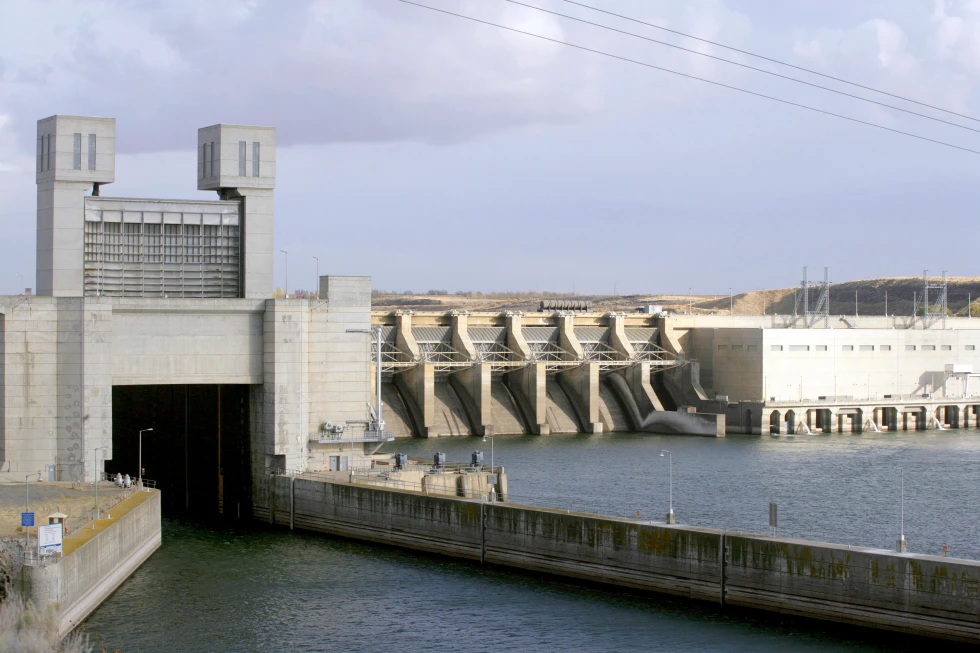
The dams implicated include the Ice Harbor, Lower Monumental, Little Goose, Lower Granite, Bonneville, The Dalles, John Day, and McNary. The proceedings underscore a crucial intersection of environmental protection, indigenous rights, and energy production as communities rally to protect an iconic species from extinction.