In brief
The Pacific Northwest is bracing for more heavy rainfall following a powerful storm that caused severe flooding, river swells, and significant damage in Oregon and Washington. Emergency responders have conducted multiple rescues as drivers encountered flooded roads, and cities are implementing emergency measures. The National Weather Service warns that more rain is expected, compounding the flooding situation over the coming days.
PORTLAND, Ore. (AP) — Residents of the Pacific Northwest are on high alert for further heavy rain as a powerful storm system has already wreaked havoc in Oregon and Washington. Roads are closed, rivers are swelling, and emergency services are mobilizing for high water rescues following intense rainfall earlier this week.
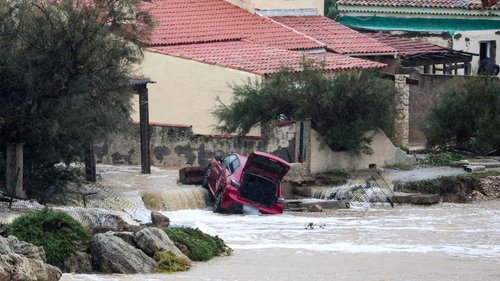
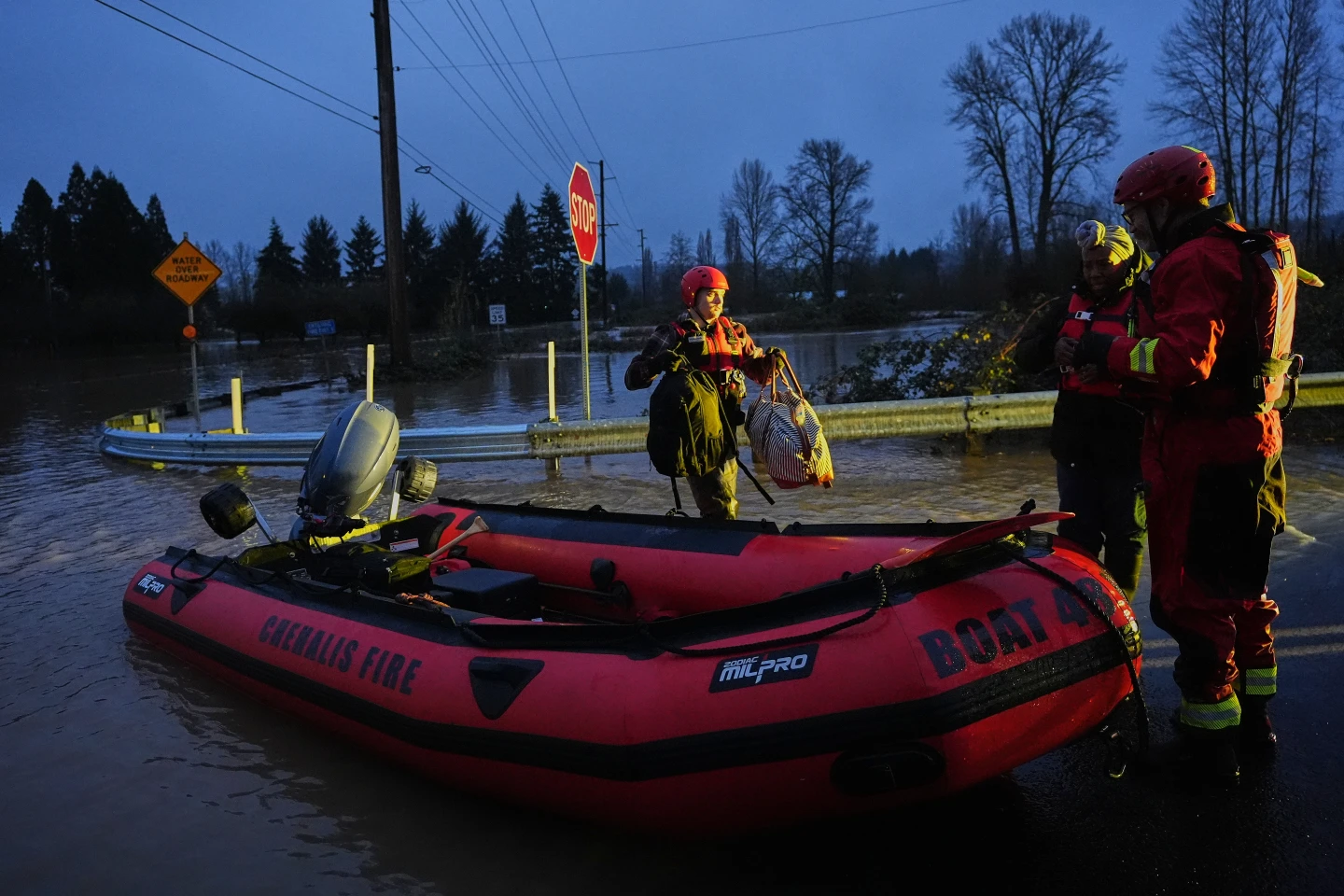
The storm, described as part of multiple weather systems predicted to impact the region this week, resulted in power outages, flooding, and school closures across parts of Oregon and Washington. As drivers faced treacherous conditions marked by debris slides and submerged vehicles, responders utilizing inflatable kayaks rescued individuals stranded in cars and even assisted a person trapped in the woods due to rising water levels.
Governor Bob Ferguson of Washington declared the state's Emergency Operations Center at its highest activation level on social media, indicating the seriousness of the situation. Meteorological forecasts warn that the worst may still be ahead, with significant rises expected in river levels, including the Skagit River which could surpass 15 feet above major flooding levels.
Harrison Rademacher from the National Weather Service characterized the ongoing conditions as a jet stream of moisture pushing into the area from the Pacific, suggesting that this pattern could lead to additional severe weather through midweek.
Authorities have reported a series of rescues along Interstate 5 as people attempted to navigate through flooded areas, with several families and individuals needing assistance. Some regions in Washington have implemented evacuations and emergency proclamations due to the imminent threat of flooding.
Residents in cities from Snohomish to Longview are preparing for continued severe weather impacts, and transportation officials in Portland are warning about the increased risk of car crashes due to dangerous driving conditions. With another storm system forecasted to bring rain starting Sunday, the outlook remains unsettled leading into the holiday season.
Elsewhere, parts of Alaska are experiencing dangerously low wind chills and other Midwest regions are dealing with snow and ice, contributing to chaotic travel conditions across a broad swath of the country.