In brief
The mayor of Yawata, Shoko Kawata, recently announced a four‑month maternity leave, a landmark event in Japanese local government. The announcement prompted a polarized national conversation about the intersection of family and public duty. Supporters view it as a progressive step for women in politics, while critics argue it sets a dangerous precedent for non‑resignation. The case highlights the broader struggle for gender equality in Japan’s political sphere. Kawata’s experience may inform future reforms for parental leave for elected officials.
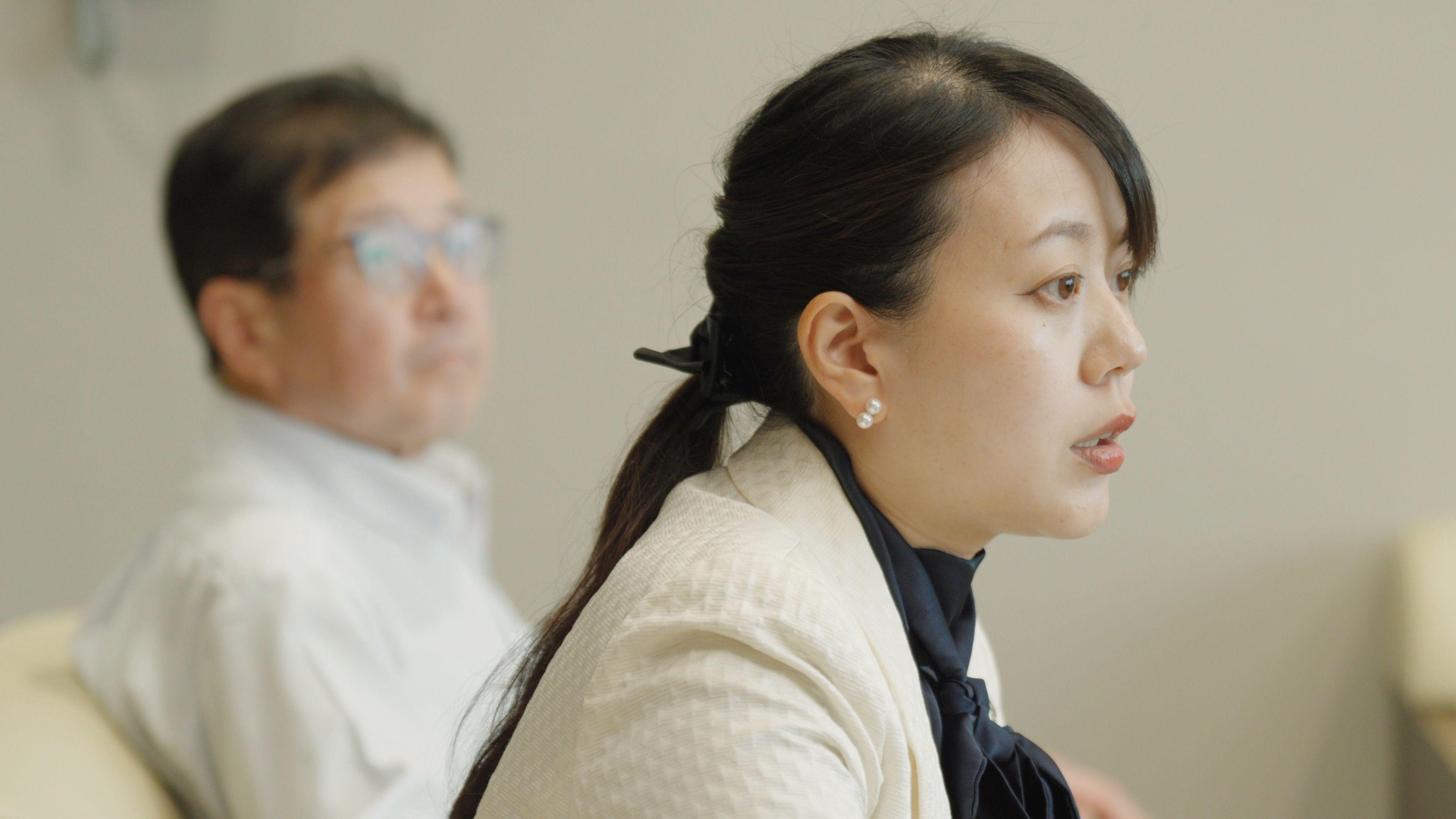
Shoko Kawata, the 33‑year‑old mayor of Yawata, announced a four‑month maternity leave that will make her the first woman in Japan’s history to take such a break while in office. She will be away for two months before and two months after the expected birth date, during which her deputy, Shigeto Nose, will assume full mayoral responsibilities.
The announcement has sparked a sharp national debate. Supporters praise the move as a sign that public office can coexist with family life; critics argue it is irresponsible for a public official to leave their duties temporarily and suggest that politicians should resign before seeking children. Some even propose salary cuts during maternity leave, while others warn that the lack of legal provisions for elected officials can disrupt municipal governance.
In Yawata, a town known for its temples and cherry blossoms, the community’s reaction has been mixed. While Kawata’s office reported offer of complete assistance, public opinion online shows mixed responses, with thousands of posts on X and YouTube expressing both admiration and criticism.
Kawata’s statement emphasises the importance of not forcing a choice between career and family for women in public life. “If we criticize politicians taking maternity leave, we’re excluding all women who might want to serve and start families,” she said. She hopes her child will be surprised by the attention her pregnancy receives.
The mayor’s move comes amid broader concerns about Japan’s low birth rate and gender inequality. According to a July 2025 Cabinet Office survey, barriers for women include pregnancy, rumours that politics is a male domain, and workplace harassment. Only four percent of Japan’s municipal leaders are women, underscoring the need for tangible policy changes.