In brief
The clash of students and police on Saturday in Paris, followed by widespread looting, has divided French society. Politicians, from the prime minister to opposition leaders, vied to assign blame, pointing to far‑left groups, social media manipulation and systemic inequality. Students claim their anger is grassroots, not orchestrated by political parties. The government now pushes for a parliamentary inquiry while public anger over rising costs deepens.
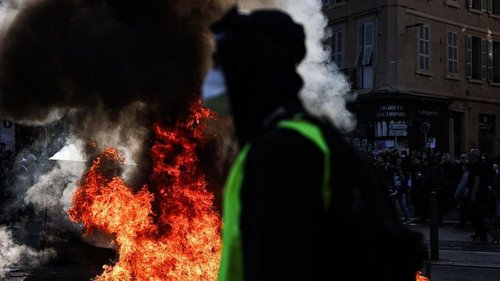
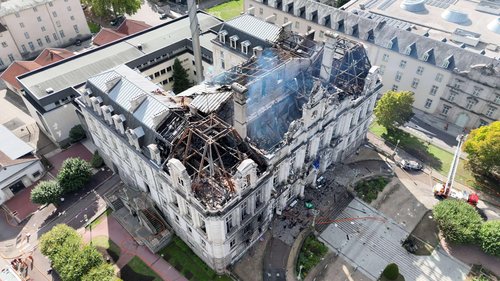
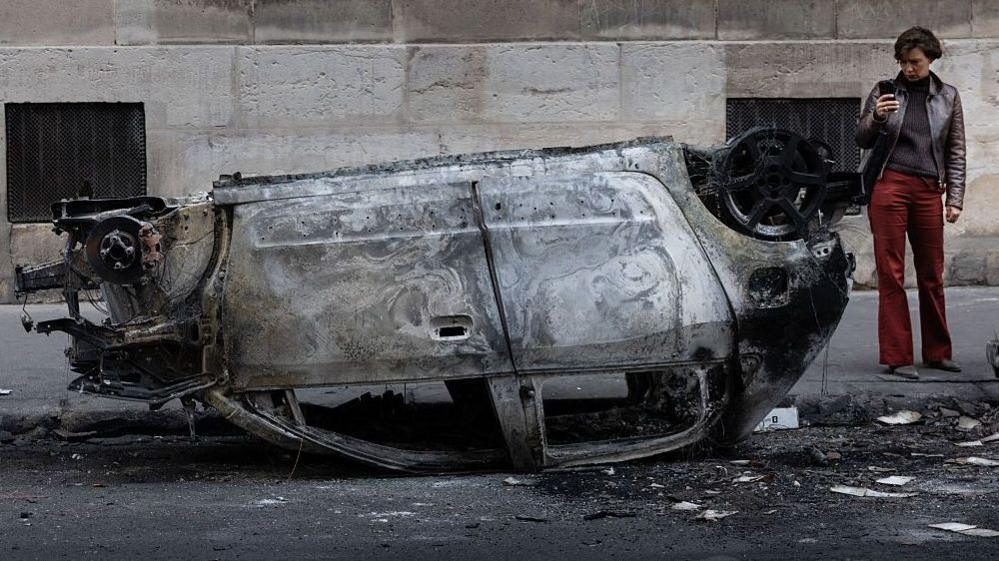
On a sunny Saturday afternoon, the streets of Paris turned into a battlefield. Police vans were struck by stung‑up clubs, shop windows shattered, and vehicles left charred. Social media erupted with footage of masked men, some saying the violence was orchestrated by far‑left radicals.
I spoke with a teenager, Elisabeth, outside a wrecked storefront. She insisted the protest she joined was a stand for better public schooling, not a conspiracy. “This is not the face of France,” she cried. “It’s a moment of anger, not an attack on our nation.”
Government officials reversed to panic points. Prime Minister Lecornu called the violence “insurrections” run by “small far‑left and ultra‑left groups.” Intelligence reports, released earlier in the month, highlighted the use of a black letter “A” – the anarchist symbol – sprayed across several districts.
The far‑left party La France Insoumise has vehemently denied any plans for violence. Their charismatic leader, Jean‑Luc Mélenchon, stayed on the frontlines during the demonstrations, claiming the unrest was a reaction to rising living costs and state neglect.
Opposition leader Marine Le Pen used the incident to rally her base, arguing the government’s failure to curb crime and protect citizens had led to chaos. She shot laser‑focus at Mélenchon, accusing him of orchestrating disorder to undermine Macron’s administration.
Student unions, represented by Lisa Cordat, argued that protests grew organically. “We organized through messaging apps, not through political machination,” she said. They warned that the narrative of manipulation erodes trust in democracy.
The eruption of violence coincided with the nation’s election cycle. President Macron has called for a parliamentary inquiry into the riots, demanding explanations for police failure and social media influence. Social media platforms face pressure to curb the spread of violent footage, with some calling for targeted blackouts.
Underlying triggers are long‑standing: soaring housing prices, wage stagnation, and a sense of hopelessness among Paris’s youth, especially in deprived suburbs. Comparative data shows similar unrest across Europe – Italy, Portugal, and Belgium – all linked to economic disparity.
As the country recovers, the debate may stay. Will France learn to unite across political lines? Or will the next election cement a climate of mistrust and division? The coming weeks will reveal whose message will shape the nation’s future.