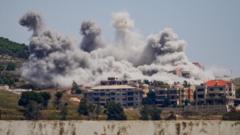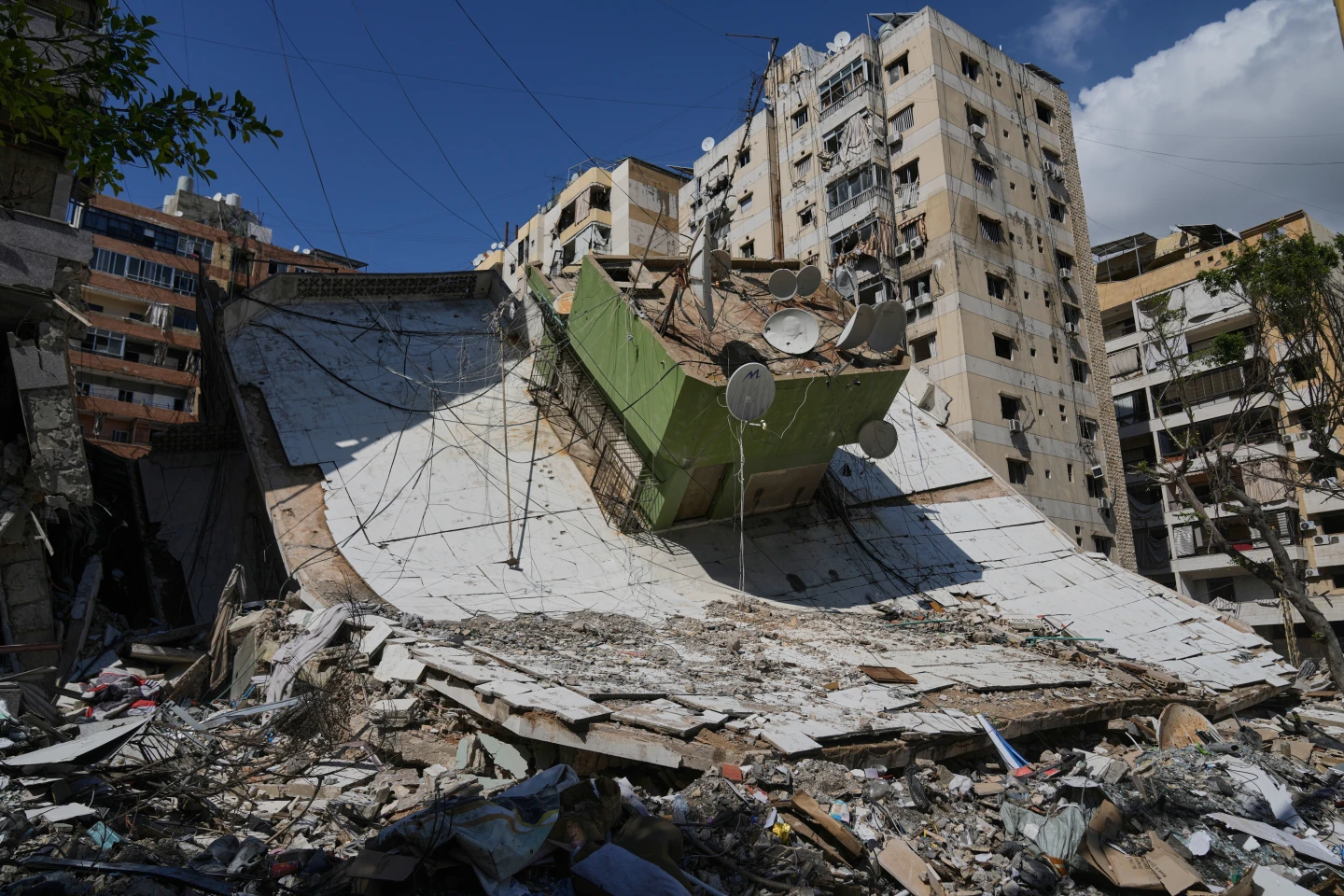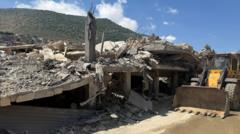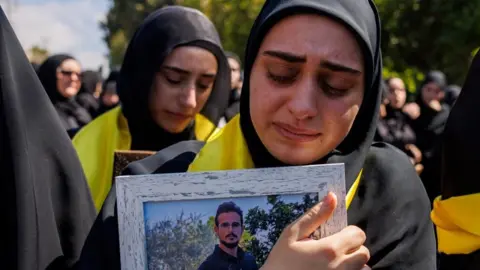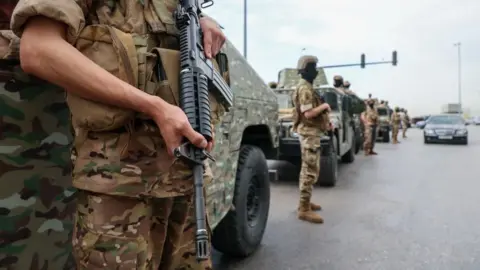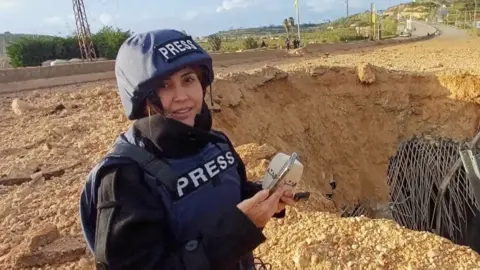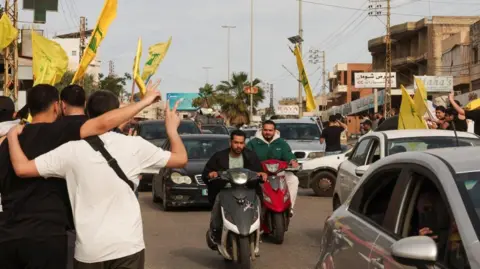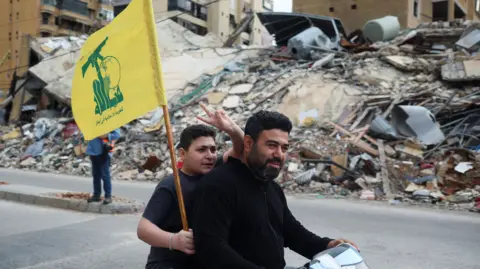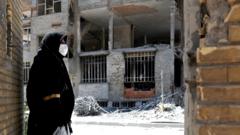
Israeli air and artillery strikes across southern Lebanon have killed at least 17 people, according to Lebanon’s state‑run National News Agency (NNA). The deaths came in a string of raids that spanned the towns of Tayr Debba, Deir Qanoun el‑Nahr, Seddiqin and the coastal city of Sidon, as Israel reiterated its campaign against Hezbollah‑aligned targets.
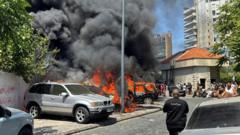
Nine people were reported killed in Tayr Debba after the Israeli jets and drones carried out at least four strikes just east of the port city of Tyre. A car fire in the center of Sidon, struck by a drone, left two residents dead. A further death occurred in the Massaken al‑Shaabiya area of Tyre when the Lebanese health ministry said an Israeli strike killed one more person.
Hezbollah denied violence on the ground, alleging that it had targeted Israeli troops in the Bayada and Yohmor areas with rocket barrages and shellfire. The group also said it had struck six Hezbollah infrastructure sites and ready‑to‑use launchers in other southern parts of Lebanon, just after an Israeli repulse of Iranian‑backed rocket attacks.
While Israel did not immediately respond to these strikes, it had earlier affirmed that it had hit Hezbollah positions and that its operations would not stop unless a broader ceasefire was reached. Iran’s leadership has signalled that any deal concluding its conflict with the United States and Israel must also address Lebanon’s role, thereby complicating diplomatic outreach by the U.S. President.
Amid the rising death toll—3,696 Lebanese civilians have been killed since March—the United Nations has sent a human‑rights investigative team to Lebanon at the government's request. The team will examine possible violations by all sides from the start of the March escalation and present findings by the end of July. Those findings could be used in future war‑crime prosecutions.
Despite a ceasefire brokered in April, sporadic clashes have continued. Instigated by Hezbollah rockets fired after a December 2025 strike that killed Iran’s Supreme Leader, Israel launched a bombing campaign across the country and occupies large swaths of Lebanon’s south. The U.N. reports that more than a million Lebanese people have been displaced, with 1.4 million needing humanitarian aid.
The AP and Reuters have covered the escalating exchange, and Israeli forces have announced new evacuations of residents, including the Christian quarter of Tyre—an unprecedented move. In the larger picture, the conflict's trajectory remains uncertain as both sides weigh the question of further hostilities and diplomatic settlement.