Into the remote waters of the Pacific, a research party is hunting a vanished legend.
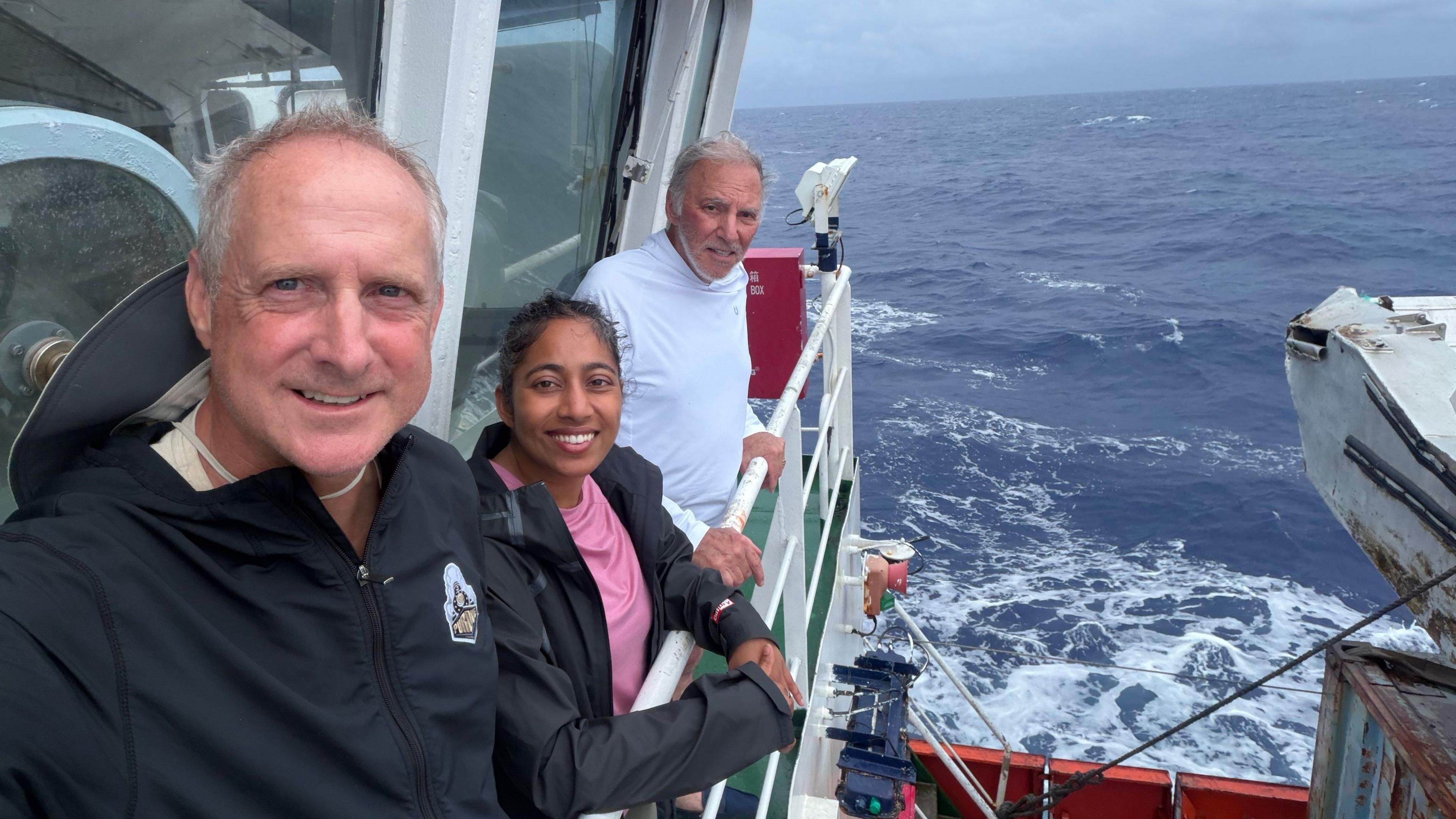
Led by Richard Pettigrew of the Archaeological Legacy Institute and supported by scientists from Purdue University, the crew set out aboard the Kiribati National Shipping Line vessel Marin Mainiku on Wednesday. Their destination: Nikumaroro, an isolated atoll that may hold the last physical clue to the disappearance of famed aviator Amelia Earhart in 1937.
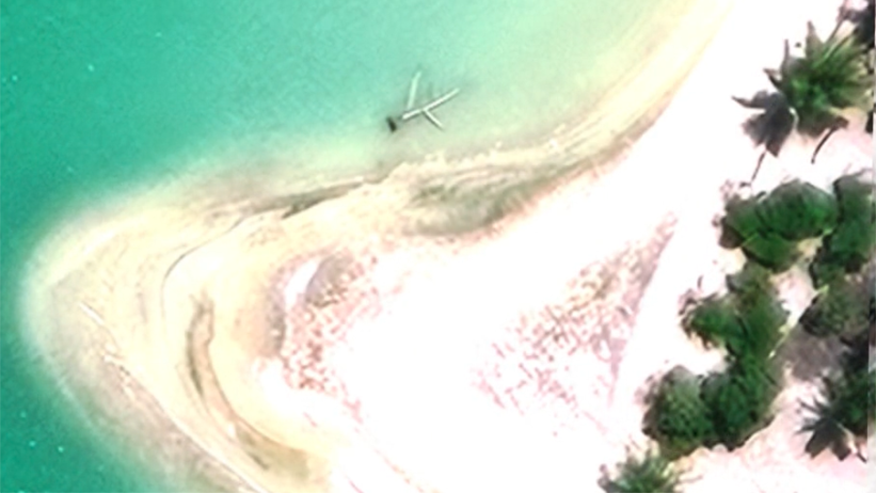
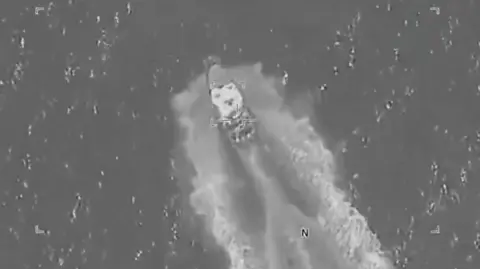
What brought the team there? A mysterious shape spotted in satellite images in 2020 and confirmed in aerial photographs from 1938. Dubbed the Taraia object, the feature sits on the edge of a lagoon and could be the remnants of a small aircraft, a theory reinforced by the object’s appearance in wartime photographs of the island.
The expedition’s strategy combines high‑resolution sonar scans with painstaking underwater photography. If the object proves to be a wreck, the researchers will meticulously document it, hoping to discover authentic components of Earhart’s Lockheed Electra, the twin‑engine plane she disappeared aboard.
Inside the vessel, crew members prepare for the ten‑day journey that will take them through a reef tunnel cut by the British in 1963, the only natural passageway east of the atoll. Pettigrew emphasized that “Finding Amelia Earhart’s Electra would be the discovery of a lifetime”, underscoring the mission’s historic stakes.
Past attempts have re‑turned empty. A 2024 sonar search near Howland Island found a rock formation, not wreckage, while a 2019 dive examined a photo of a “broken gear” and found nothing. Nonetheless, the current team is armed with lessons from earlier failures and hopeful technology.
The world watches from its screens as the vessel approaches the final twenty‑mile stretch, and as virtual participants can experience the voyage in real‑time through our immersive environment platform.

Satellite mapping shows the Taraia object on the lagoon’s shore, a potential clue to Earhart’s fate.
Should the expedition confirm the plane’s presence, it would provide tangible evidence of Earhart’s final approach and bring closure to a story that has fascinated historians, scholars and adventure seekers for decades.