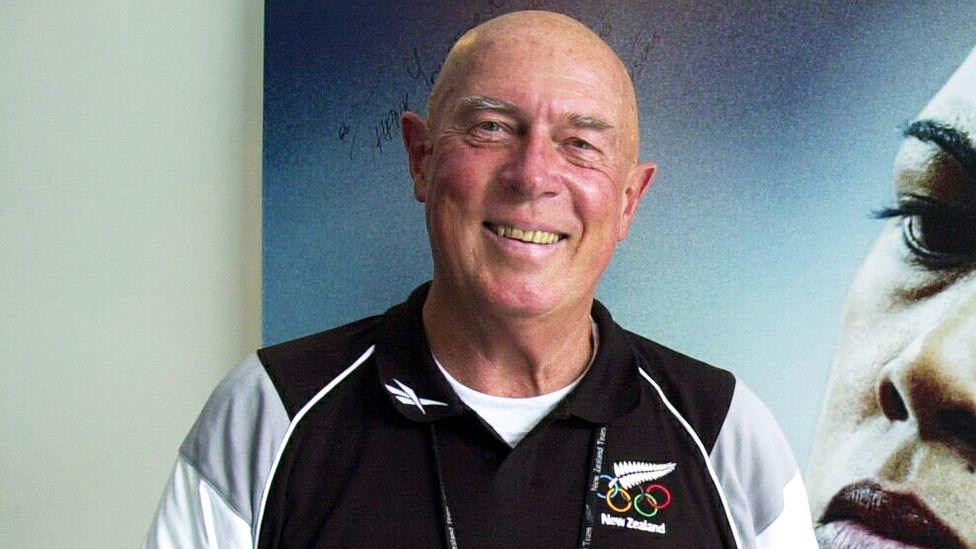
In a significant turn of events, thirteen individuals held for more than 18 years without trial in Eritrea have been released from a notorious military prison, according to family confirmations reported to the BBC. Among the individuals released is 69-year-old Zeragaber Gebrehiwot, a former Olympic cyclist and businessman.
For years, these prisoners were confined in Mai Serwa prison, known for its severe conditions, where many inmates are believed to be political detainees. A reliable source, previously detained in the same facility, disclosed that the group was arrested in October 2007 following an assassination attempt on a senior security officer of President Isaias Afwerki's government.
While initially around 30 people were detained, some were released in the years following their arrest, leaving about 20 in custody until this recent release.
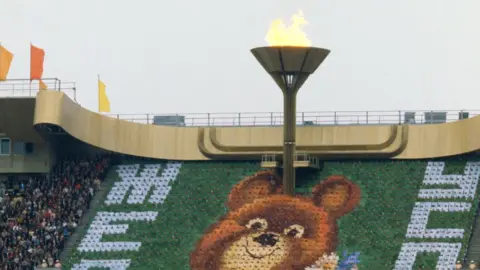
Zeragaber competed in the Moscow Olympics when Eritrea was still part of Ethiopia. The country, which declared independence from Ethiopia in 1993, has developed a strong cycling culture and its athletes continue to gain international attention.
The other detainees released alongside Zeragaber included several prominent businessmen and two engineers from the Habtemariam family. Notably, six police officials and an internal security agent have also been freed. Upon their release, many were reportedly in poor health, raising concerns about the conditions they had faced during their incarceration.
Throughout their detention, families were denied the right to visit, discussing the broader context of human rights violations reported by the UN and various human rights organizations, alleging crimes such as torture and forced disappearance.
Mai Serwa prison has seen expansions over the years, now housing prisoners under increasingly inhumane conditions, with reports indicating that inmates are kept in metal shipping containers in isolation.
The Eritrean government has remained muted on this matter, failing to acknowledge the releases publicly. Over the last three decades, the country has been characterized as a one-party state, with no constitution in place or free press since 2001 when independent newspapers were shut down following the arrest of journalists and political leaders demanding reforms.
As Eritrea marks 32 years under President Isaias, who remains unchallenged by any elections, the fate of many political prisoners and journalists remains uncertain.