In brief
Amid the intensification of ICE operations in Minneapolis, many Native Americans are opting to carry tribal identification cards that prove their citizenship. This trend is a response to increased fears of racial profiling and immigration enforcement. With many tribes easing access to these IDs, individuals are seeking to protect themselves from unjust detainment by federal agents.
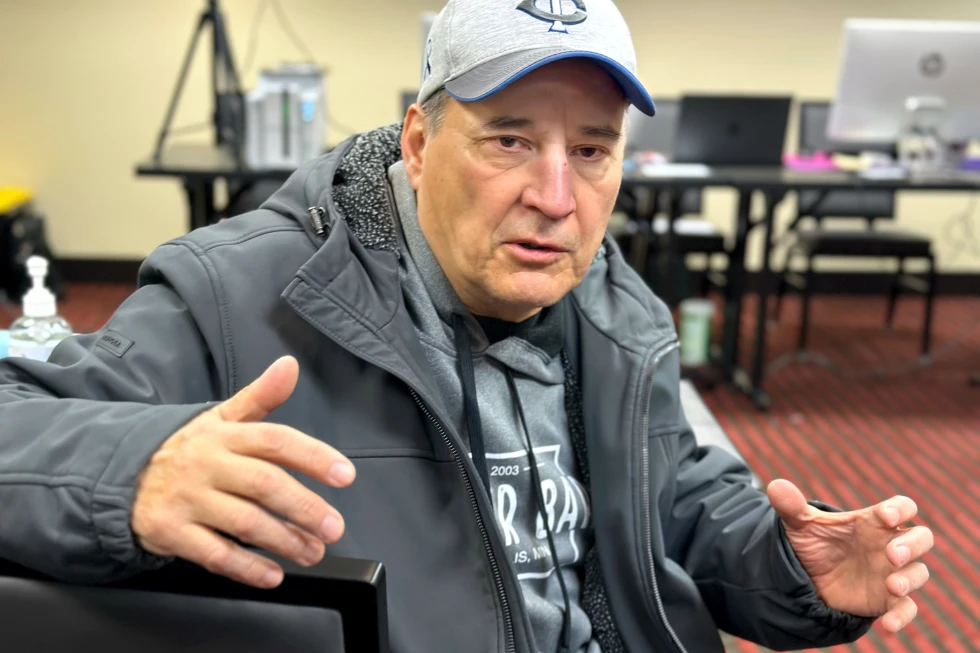
MINNEAPOLIS (AP) — When U.S. Immigration and Customs Enforcement operations intensified in Minneapolis, Shane Mantz reached for his Choctaw Nation citizenship card for assurance. Despite sometimes being mistaken for Latino, he fears the repercussions of ICE raids.
Many within the Native American community are now carrying tribal documents to assert their status as U.S. citizens, leading to a collective effort among various tribes to ease the process of obtaining tribal IDs. This includes waiving fees and expediting the issuance of these cards.
David Wilkins, a professor of Native politics at the University of Richmond, highlights that this marks a significant shift, as tribal IDs are being used as proof of citizenship for the first time in this context, stating, “I find it terribly frustrating and disheartening.”
Jaqueline De León, a senior attorney with the Native American Rights Fund, underscores the irony that Native Americans need to verify their citizenship, given their historic standing as the land’s original inhabitants.
Native identity in a new age of fear
Historically, the U.S. has extensively documented genealogical data concerning Native Americans, a practice rooted in policies aimed at assimilation while undermining tribal sovereignty.
Tribal nations began issuing identification cards in the late 1960s to assert their identity, and these IDs are now commonly utilized for various purposes such as voting and travel.
In urban areas, such as Minneapolis, with significant Native populations, recent ICE operations have raised alarm. As of this week, more than 3,400 individuals were arrested as agents became more visible in neighborhoods.
Tribal representatives have traveled long distances to assist urban tribal citizens in obtaining ID documents, fostering community solidarity amidst adversity.
Some Native Americans say ICE is harassing them
Reports from various tribal leaders across the U.S. detail experiences of harassment and detainment by ICE, feeding into the sense of caution amongst Native American citizens.
Personal accounts reveal troubling encounters with ICE that highlight the vulnerability faced by individuals, such as the experience of Peter Yazzie, who was detained despite presenting valid identification.
According to Mantz, the need to keep tribal IDs on hand is both a precaution and a stark reminder of the current sociopolitical environment, saying, “It gives me some peace of mind. But at the same time, why do we have to carry these documents?”