In brief
Imran Khan's extended isolation in prison points to a larger pattern of suppression against dissenting voices in Pakistan. With a crackdown on journalists and civil rights activists, the military's influence in governing and media control has reached alarming levels, indicating a shift toward authoritarianism within a supposed civilian rule.
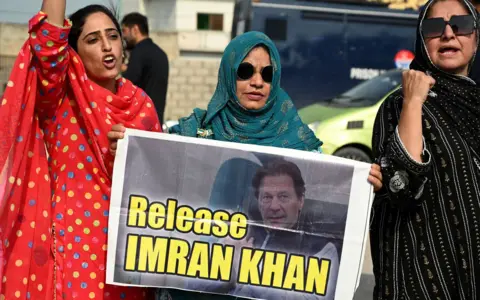
Pakistan's jailed former prime minister Imran Khan has not seen visitors in over five weeks, according to his party, a tactic they claim is aimed at preventing his voice from reaching the public. This allegation is directed at the country's military chief, Field Marshal Asim Munir, a charge the government denies, claiming that the lack of meetings stems from Khan violating prison rules regarding political discussions.
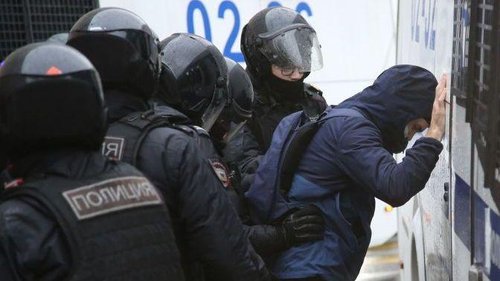
Despite Khan's isolation, he is not alone in facing repression. Journalists, human rights advocates, and dissenters report a shrinking space for differing opinions and increasing risk of punitive actions. Notably, human rights lawyer Imaan Mazari and her husband were sentenced to ten years in prison for allegedly sharing anti-state messages on social media.
Human rights organizations, such as Amnesty International, have called for an end to coercive tactics employed by the state to suppress dissent. This climate of intimidation is compounded by government crackdowns on media freedom; TV channels have reportedly been instructed to avoid mentioning Khan, and journalists face coercion to limit their reporting or self-censor altogether.
The military's influence in Pakistan's governance remains a contentious issue. Critically, some analysts argue that the military's growing power threatens the very fabric of democracy, suggesting a troubling shift towards authoritarianism despite the presence of a civilian government. As a result, the risks for those who dare to speak out have significantly escalated.