In brief
Hurricane Lala, a Category 1 storm, flared near Hawaii’s Big Island and dumped up to 35 inches of rain in some places, igniting flash floods and mudslides. The storm left one person dead in a car accident and uprooted homes from their foundations, sparking a large search‑and‑rescue effort. Energy outages affected more than 200 000 households, airports were closed, and about 180 National Guard personnel were drafted to help. Emergency officials warned that weather conditions remain hazardous, with ongoing tropical storm warnings for all islands, while scientists note that higher sea‑surface temperatures linked to El Niño and climate change may strengthen future storms.

Hurricane Lala, classified as Category 1 at its peak, brushed past Hawaii’s Big Island without making landfall but still caused catastrophic weather. Rain totals reached up to 35 inches in isolated spots, triggering flash floods and severe mudslides across the island’s valleys and coastal communities of Naalehu and Waiohinu.
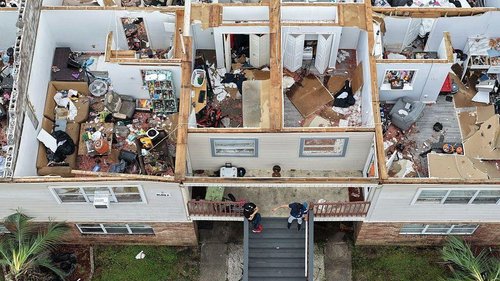
A fatal crash involving a driver caught in an overwhelmed vehicle left one person dead, and authorities report that several homes have been swept away entirely. Search‑and‑rescue teams are on the ground, looking for people whose shelters were lost amid the burst‑water and debris.
Power outages affected more than 200 000 residents, and three hospitals lost electricity, relying on backup generators. Both the Hilo International and Kona airports experienced temporary shutdowns, with a total of 190 flights postponed according to the governor’s office. Residents of Maui also faced temporary water shortages.
The National Hurricane Center has reduced Lala’s winds to 65 mph and declared the storm a tropical storm. Nevertheless, all eight main islands remain under tropical storm warnings, with forecasted additional rainfall of 4 to 8 inches on the Big Island and windward Maui.
The United States Navy has deployed approximately 180 National Guard units to assist in the emergency response, highlighting the significant impact on the island’s infrastructure and safety.
Historically, the 1992 Hurricane Iniki, a Category 4 storm, brought six deaths and billions in damage to Hawaii. The current El Niño‑driven increase in sea‑temperature is expected to boost the number and intensity of future tropical cyclones, a trend that officials are monitoring closely.