In brief
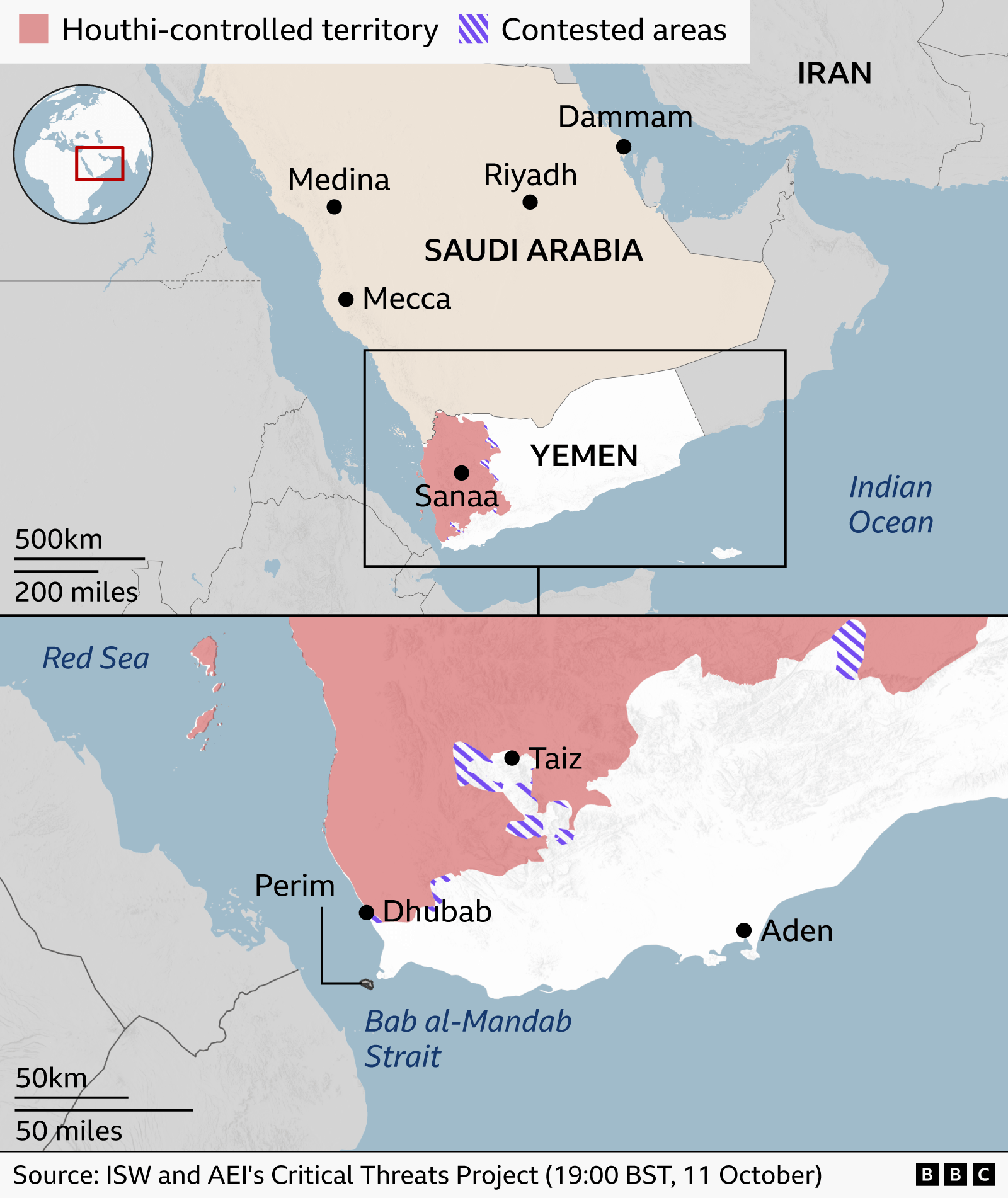
Prince Abdul Aziz bin Salman declared a "serious" response after a series of Yemeni Houthi attacks on Saudi airports, including King Khalid International in Riyadh, that killed dozens. Houthi claims retaliation for Saudi aggression, while the Saudi‑led coalition has been intercepting missiles and drones. Regional airlines have suspended flights to Riyadh and Dammam. The incidents highlight renewed tensions in the UAE‑Yemen conflict, with UN and US officials calling for urgent de‑escalation. The Houthi‑controlled map shows their expanded control in Yemen, illustrating the strategic reach behind the attacks.
"Serious" Saudi vow after Houthi airport strike
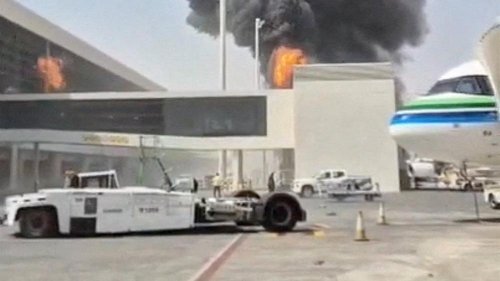
Saudi Energy Minister Prince Abdul Aziz bin Salman warned that an "equally serious" response would follow the latest Houthi attacks on the kingdom’s airports and oil installations. The vows came during the WPC Energy Congress in Riyadh, where the minister condemned the strikes that killed a Pakistani man, injured dozens, and temporarily shut King Khalid International Airport.
On Saturday, a Houthi missile lodged Terminal 3, killing 13 people and prompting an airport closure. A second strike the following day hit Terminal 4, killing another Pakistani resident. The attacks added to a week‑long wave that also struck a ground aircraft and an airport facility, killing three Saudis and a national airline pilot.
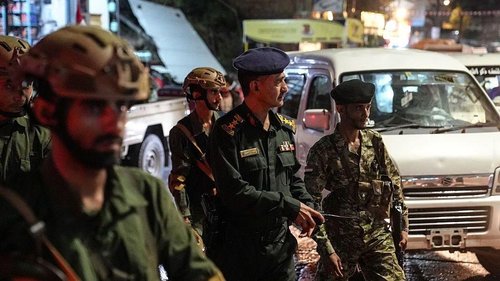
Prince Abdul Aziz said the kingdom’s military had intercepted and destroyed ballistic missiles and drones targeting Riyadh and Dammam, and a surveillance drone over Khamis Mushait. He also dismissed the Houthi claim that the attacks were revenge for “brutal Saudi aggression.”
Regional carriers moved to curb disruptions: Qatar Airways suspended all flights to Riyadh and Dammam, while Etihad cancelled services between Abu Dhabi, Riyadh, Jeddah and Dammam. Airline industry observers warn that sustained attacks could strain the already-strained Middle‑East aviation corridors.
The Houthi group, controlling large swathes of Yemen’s north, released a video claiming deployment of missiles and drones at Saudi air‑bases in retaliation for over 124 Saudi‑led airstrikes in 24 hours. Houthi spokespeople warned airlines against using Saudi airspace, except for trips to Mecca and Medina. They vowed to continue their campaign against ‘enemy reinforcements’ until the siege on Yemen’s people ends.
The United Nations expressed deep shock at the attacks, citing violations of international law. The United States is reportedly providing intelligence and target‑support to the Saudi coalition, while Iranian officials declared their concern and called for diplomatic engagement.
With the Houthi militia seizing key territory along the Red Sea, the strategic importance of the region’s air and sea routes heightens the stakes. The Saudi government deems these attacks an attempt to destabilise its security environment, threatening its energy infrastructure and aviation hubs.
For more details, follow the real‑time coverage of Riyadh airport on the Houthi‑driven map of Yemen’s forces: Map.