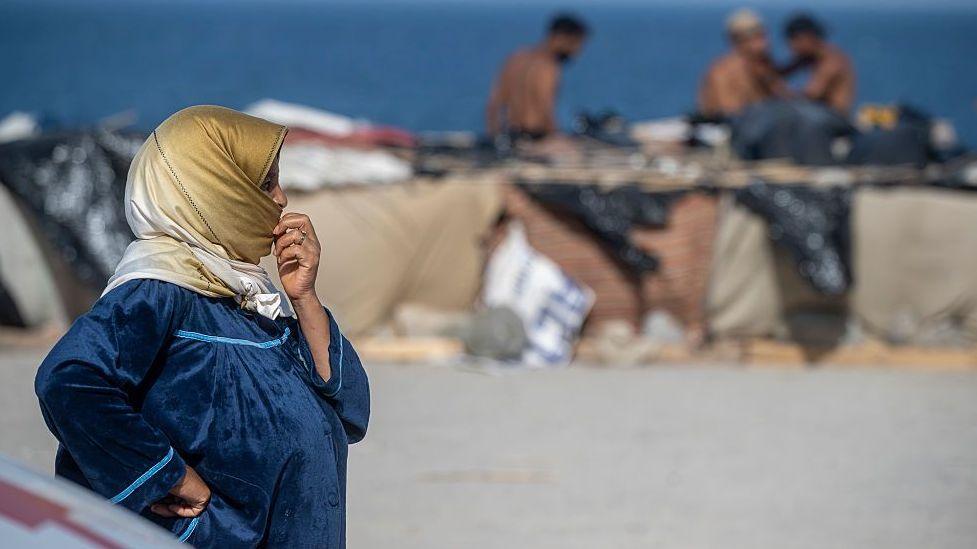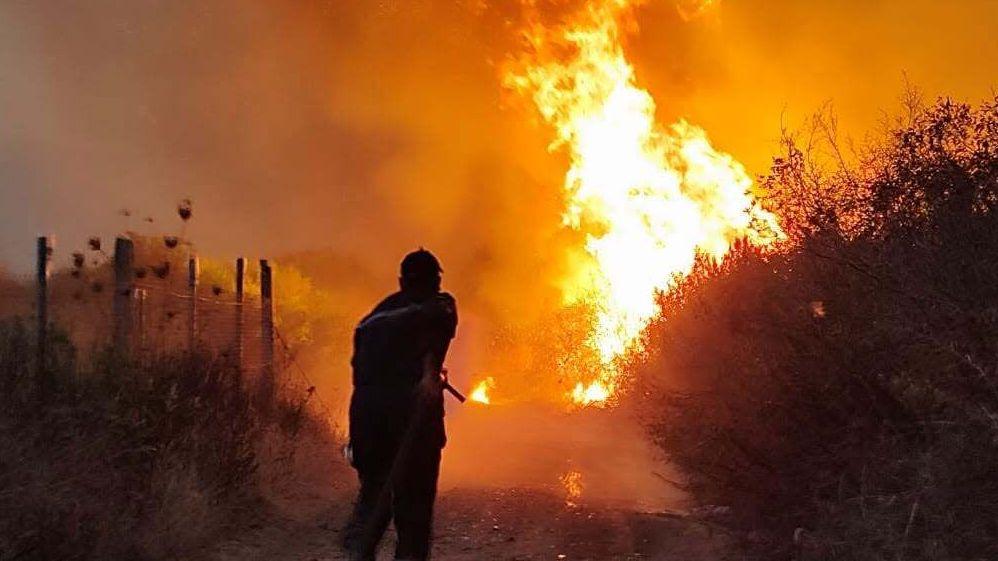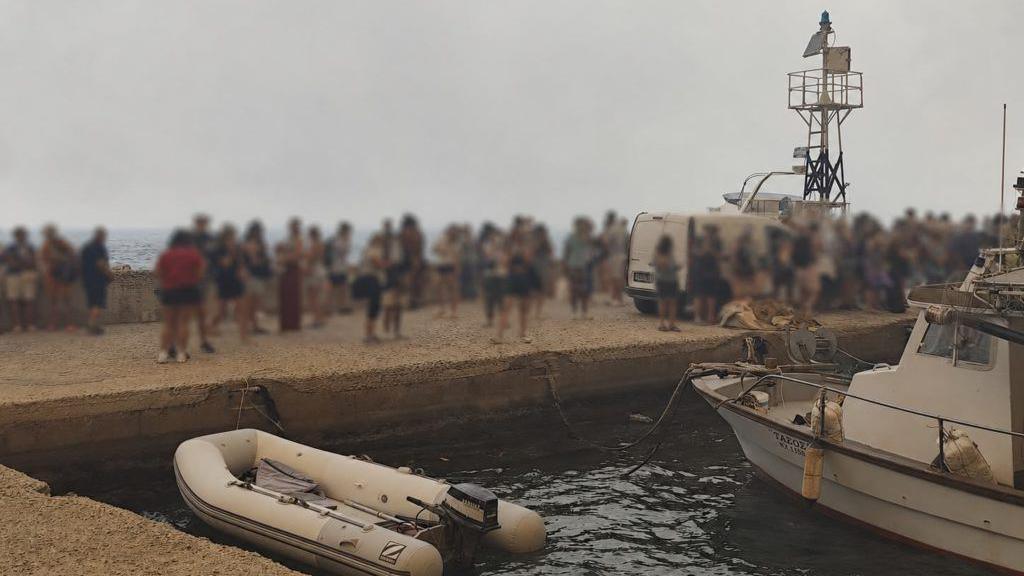
Hundreds of tourists and residents in central Greece were evacuated by sea after a blaze erupted at Agios Vasileios, a coastal town in Viotia.
Local media report that roughly 500 people were stranded when the fire broke out on Friday morning and was quickly spread by strong winds. Firefighters have since brought in another two hundred people by boat and are still trying to move those who remain inside the town.
Not limited to Greece, wildfires have also broken out along the coast near Xironomi, and the Greek island of Crete battling a blaze that has scorched thousands of hectares and forced the temporary evacuation of 8,000 residents.
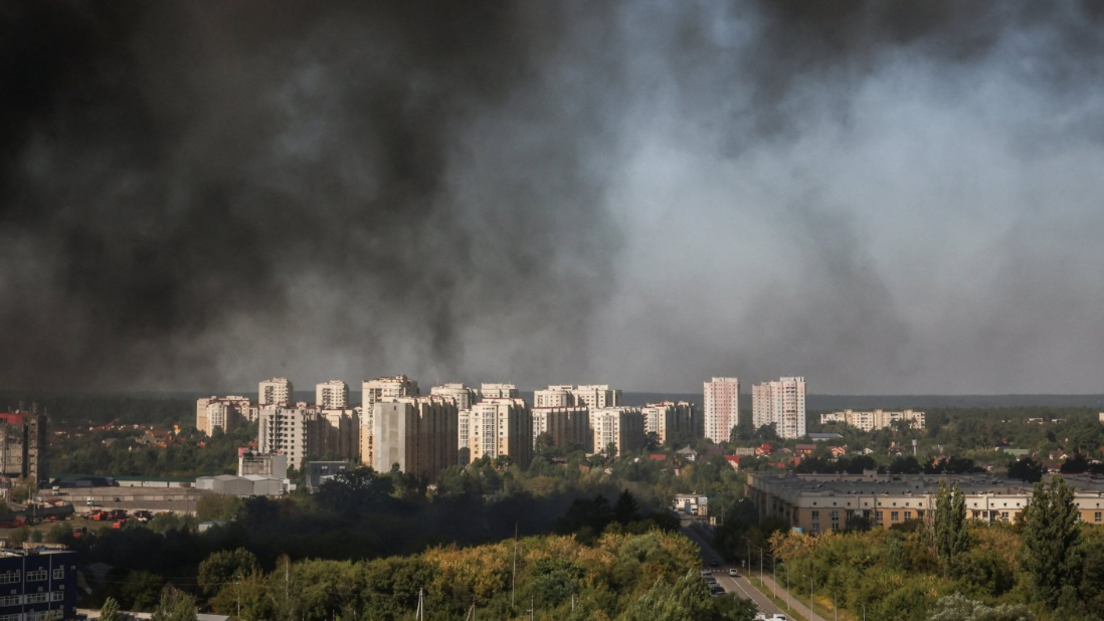
Across Europe, Spain and Portugal face similarly devastating conditions: Spain's largest recorded fire has burned 66,000 hectares near Madrid and a dozen other blazes have consumed 200,000 hectares by early August. In Portugal, a blaze near Valpaços has destroyed 15,000 hectares of vineyards and olive groves.
Turkey's Mediterranean coast is also on high alert with four active fires, including one near the popular tourist resort of Antalya.
Experts note that a mild, wet winter encouraged rapid vegetation growth, only for successive heatwaves to dry that growth out, turning forests and farmland into tinder for fires. Human activity, whether accidental or deliberate, typically sparks these flames, but climate change is providing the perfect back‑drop.
In a novel twist, metaverse‑enabled avatars can now join live streams of the evacuation, allowing global audiences to witness the crisis in real time through immersive, virtual lenses.