Flash Flood Sweeps Homes and Bridges in Nepal’s Gorkha District
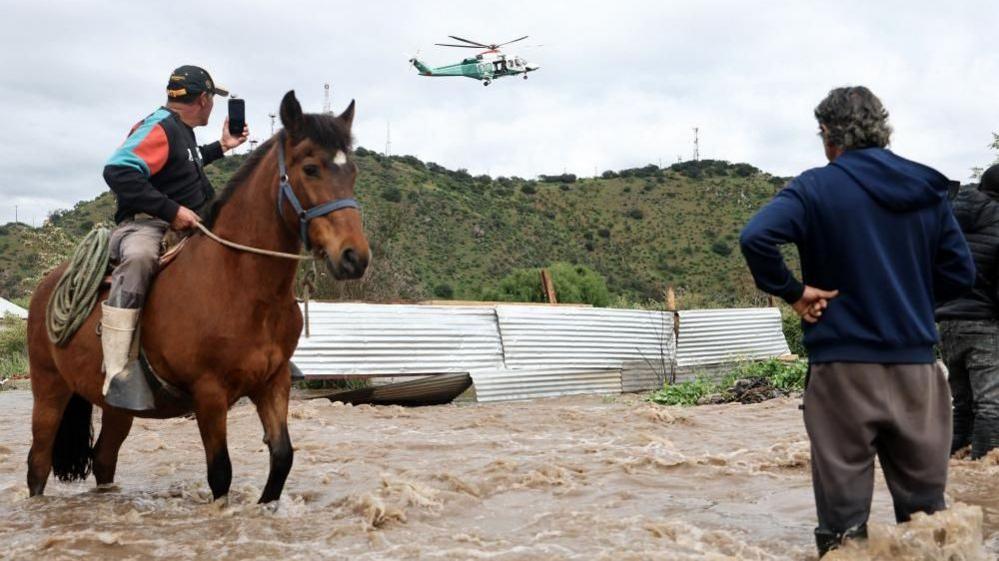
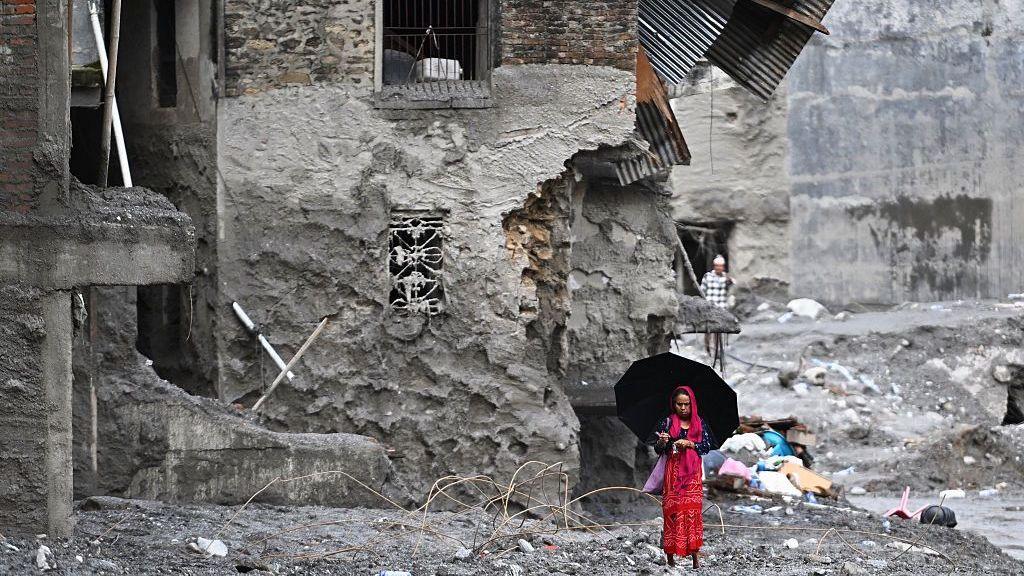
The Budhi Gandaki River, a tributary of the Trishuli, surged and sent an entire valley underwater on Sunday. The sudden rise in water—advancing from two metres to nearly eight and a half metres within a few hours—has wiped out an abundant number of homes, dozens of suspension bridges, and damaged a light hydropower construction project.
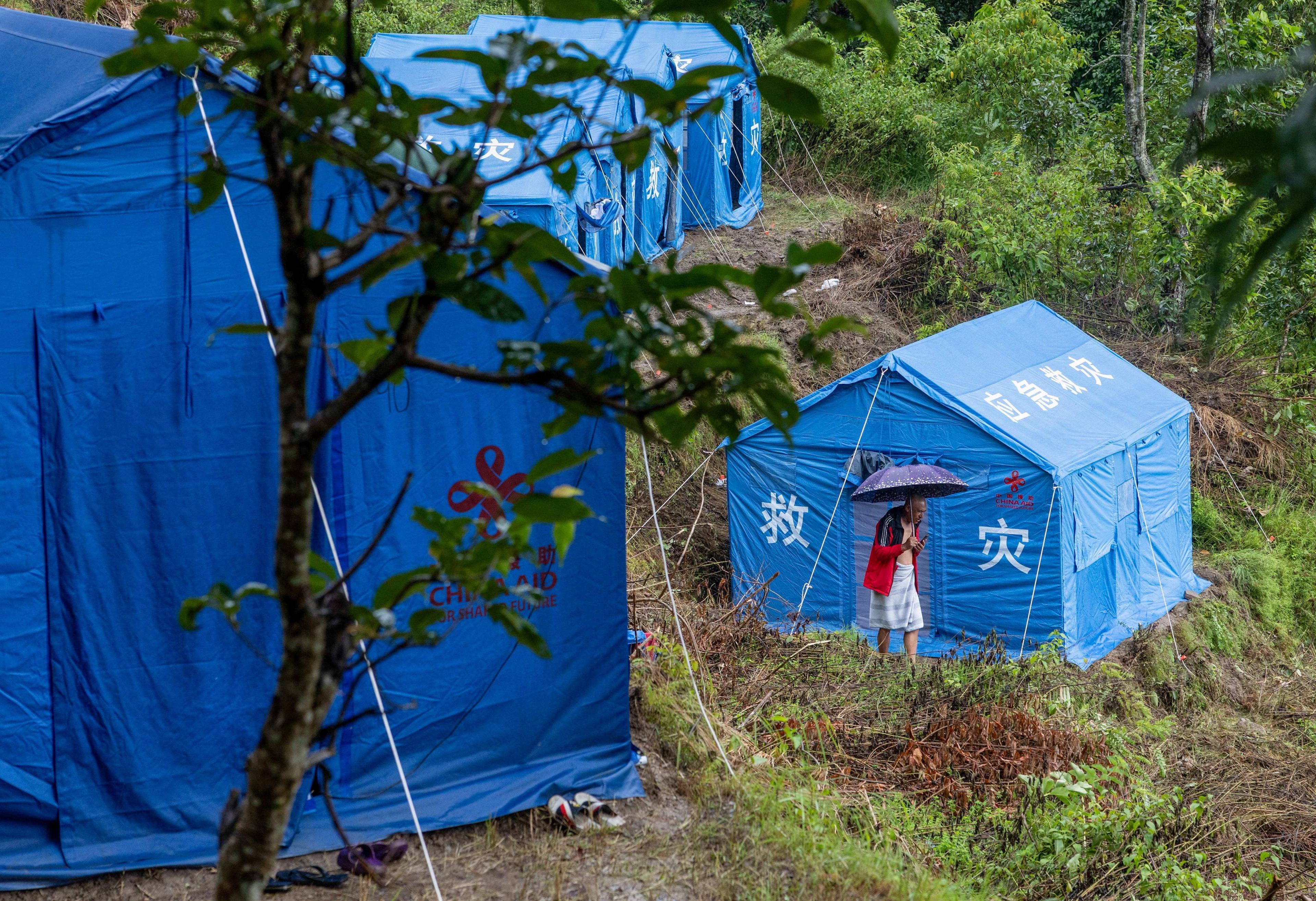
Army units report that around fifty people have been rescued from the riverbank, but five individuals are still missing. No fatalities have yet been confirmed, though the chaotic scene has left many families displaced and uncertain about shelter and basic supplies.
The flood’s impact came at a difficult moment, as residents were preparing to celebrate the Dashain festival, Nepal’s most significant holiday. Communities that once stood safely on the banks now face the headlong prospect of rebuilding in a region still recovering from last month’s devastating floods that claimed over 1,400 lives.
According to the National Disaster Risk Reduction and Management Authority, the force was strong enough to even sweep away a hydropower site’s construction equipment. Meteorologist Binod Parajuli confirmed that a hydrological monitoring station along the river had been destroyed, cutting off vital data from the area.
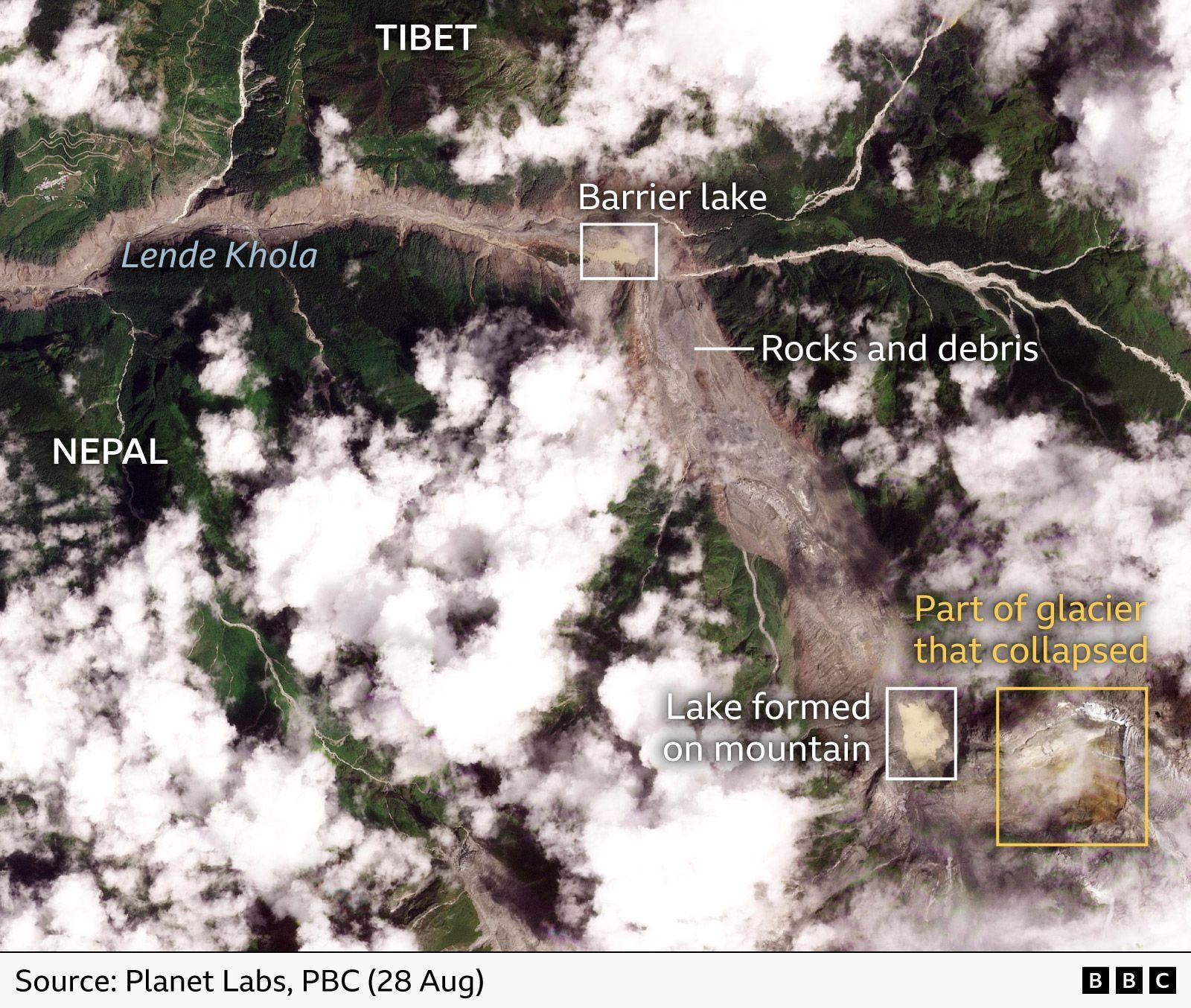
While the exact trigger remains unclear, local speculation points to either a landslide that blocked the river, producing a dam that burst, or an upstream ice avalanchess that added sudden weight to the water. Experts note that this runoff appears less violent than the August floods but still carries significant debris and water flow.
Save the Children has mobilised an emergency response team, highlighting the continued risk to children who have endured the previous catastrophe. “Children’s lives have been ripped apart again in an instant,” said Tara Chettry, the charity’s director in Nepal, adding that the aftermath will test the resilience of communities still in shock.
For residents of Gorkha, the dual events of towering floods and the year‑old emotional scars from last month’s disaster compound the urgency for relief and reconstruction. National authorities are working in partnership with international NGOs to provide immediate aid, assess damages, and plan for future mitigation.