In brief
The deadly flash floods that hit Nepal last week sent a surge of water from the Trishuli River into a hydropower tunnel under construction, breaching the concrete lining and trapping dozens of workers inside. Pemba Dundu Tamang, a local labourer, survived a 20‑minute frantic escape, but lost multiple family members to the wall‑crushing waters. Over 4,000 are missing nationwide and 1,000 people have died, with the Army pumping air into the tunnels and bulldozers shattering debris to reach any remaining survivors. Satellite studies point to glacial instability ahead of the flood, implying that early warning systems could have saved lives. The story underscores the fragile balance between rapid energy development and environmental risk in Nepal’s fragile valleys.
Trishuli River floods punched a hydropower tunnel, leaving workers trapped in mud
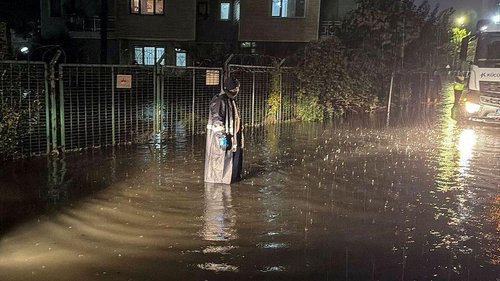
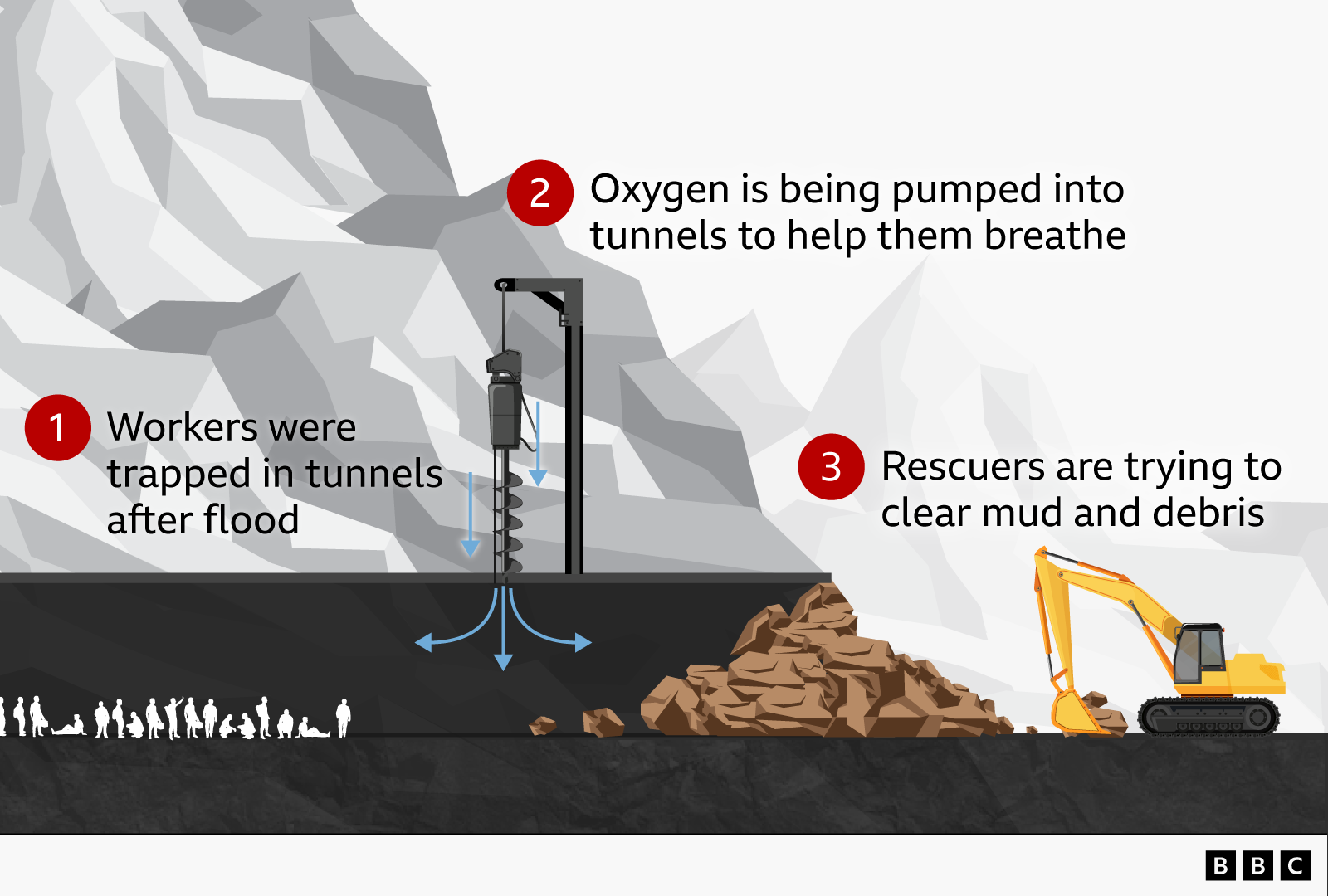
Last week a surge from Nepal’s Trishuli River slammed into a tunnel under construction for the Upper Trishuli 3B Hydropower Project, shattering concrete and carrying water deep into the shaft. The sudden burst of pressure broke the lining, forcing workers into the flooding cavity and cutting off safe egress.
Pemba Dundu Tamang, part of a 30‑person crew lining the tunnel, tells of a violent gust of wind that threw plywood and machinery, followed by a rushing river that chased him uphill. He pressed forward for about 20 minutes, fighting against the river’s roar, before finally reaching safety in a nearby village.
The disaster has claimed more than 1,000 lives across Nepal, and the Army reports that 4,000 remain missing. Among those missing are many labourers who were building tunnels along the river valley, including Tamang’s family who perished at their homes.
The Nepal Army’s spokesman, Raja Ram Basnet, said rescuers were “pumping air into the tunnels” and that “our soldiers are collecting bodies and preventing the spread of disease.” To date, 119 people have been rescued.
Tamang’s account shows deep sorrow: “I feel life is meaningless now. Surviving feels miserable. I do not know where to eat or where to go.” He estimates that 50–60 workers escaped the tunnel with him, but many others may still be buried in mud-filled shafts.
Satellite imagery of Kathmandu’s glaciers hinted at a pre‑collapse state: moving ice, brown‑tinted melt water, and developing rock cracks. Experts argue that stronger warning systems could have given furthest downstream communities critical minutes to evacuate. However, the flood’s speed left those closest to it with no longer warning.
Heavy machinery remains at work, with excavators shelling out debris to locate still‑trapped workers. Several villagers say that if swimmers did not survive, more lives would be lost. Tamang worries that continued flooding of hydropower sites could leave Nepal without a steady supply of electricity, a concern that echoes the nation‑wide reliance on hydropower for 99% of its generation.
As the search continues, the Nepalese community hopes for a swift rescue and stronger preventive measures for the future.
Additional reporting by Justin Rowlatt, climate editor