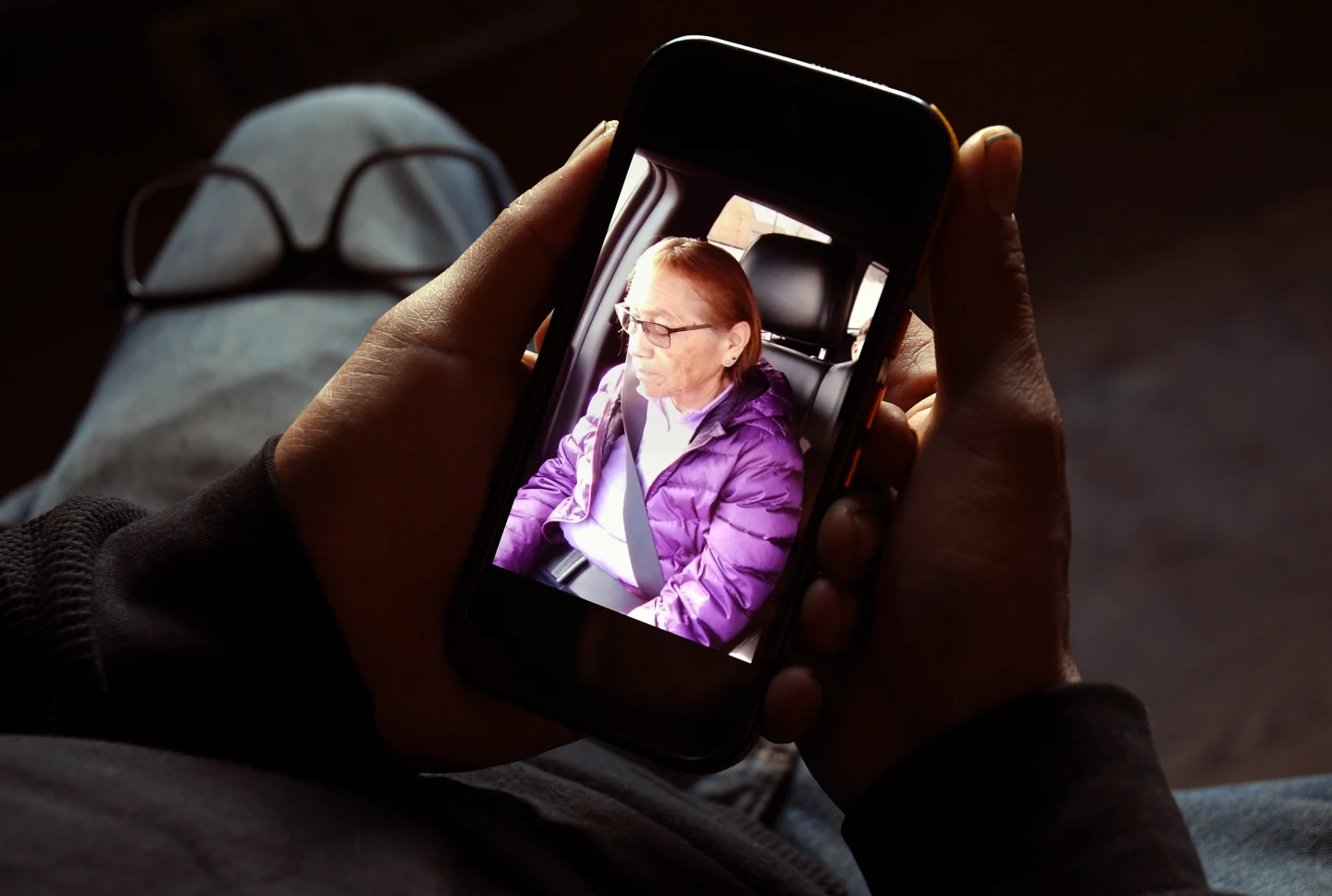
PHOENIX (AP) — In a decisive ruling, a federal judge in Phoenix rejected a plea agreement that would have allowed Preston Henry Tolth, who confessed to assaulting a Navajo elder, to serve minimal prison time.
Tolth, 26, will go to trial for carjacking and assault related to the 2021 disappearance of Ella Mae Begay, a respected 62-year-old member of the Navajo community known for her intricate rug weaving. The trial date remains unconfirmed.
The rejected agreement would have permitted Tolth to be sentenced to three years of time served in lieu of a guilty plea for robbery, an outcome deemed insufficient by Begay’s family.
Begay's case gained national attention, spotlighting the alarming rates at which Indigenous individuals go missing or are murdered. Despite comprehensive search efforts, Ella Mae has not been located nearly five years later.
During the court proceedings, family members delivered poignant testimonies urging the court to reject the plea deal, emphasizing that acknowledging the crime should come with accountability and truth about Begay's whereabouts. Seraphine Warren, Begay's niece, passionately remarked, Accountability is not time served. It's about truth, and we still don’t have the truth.
Gerald Begay, Ella Mae’s son, expressed feelings of failure by the justice system, while the case emerged as a critical conversation about justice and transparency surrounding unsolved Indigenous disappearances.
Tolth’s connection to the case includes confessing to abducting Begay's truck with her inside, physically assaulting her, then abandoning her on the roadside. However, a federal judge ruled his confession inadmissible, stating it stemmed from coercive interrogation tactics used by FBI agents, which complicates the prosecution's case.
The U.S. Attorney's office offered no comments on the plea rejection, but a federal prosecutor remarked that the suppression of Tolth's confession diminished their position significantly.
Despite the setback, Begay's family is determined to pursue justice through trial, with Warren stating, If we lose, at least we fought. The case remains emblematic of the ongoing struggles for justice faced by many in Indigenous communities.