ST. PAUL, Minn. (AP) — Federal immigration agents forced open a door and detained a U.S. citizen in his Minnesota home at gunpoint without a warrant, then led him out onto the streets in his underwear in subfreezing conditions, according to his family and videos reviewed by The Associated Press.
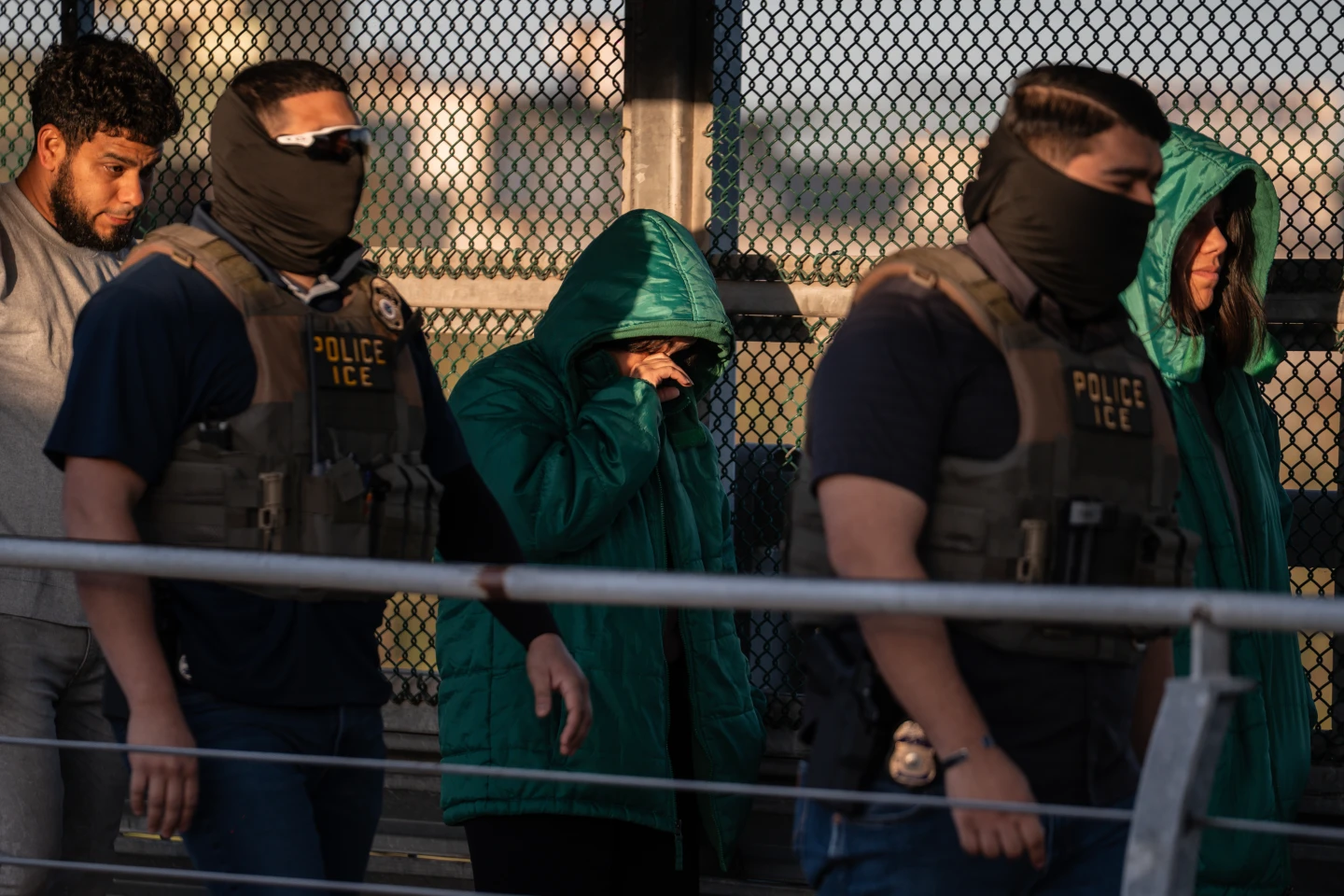
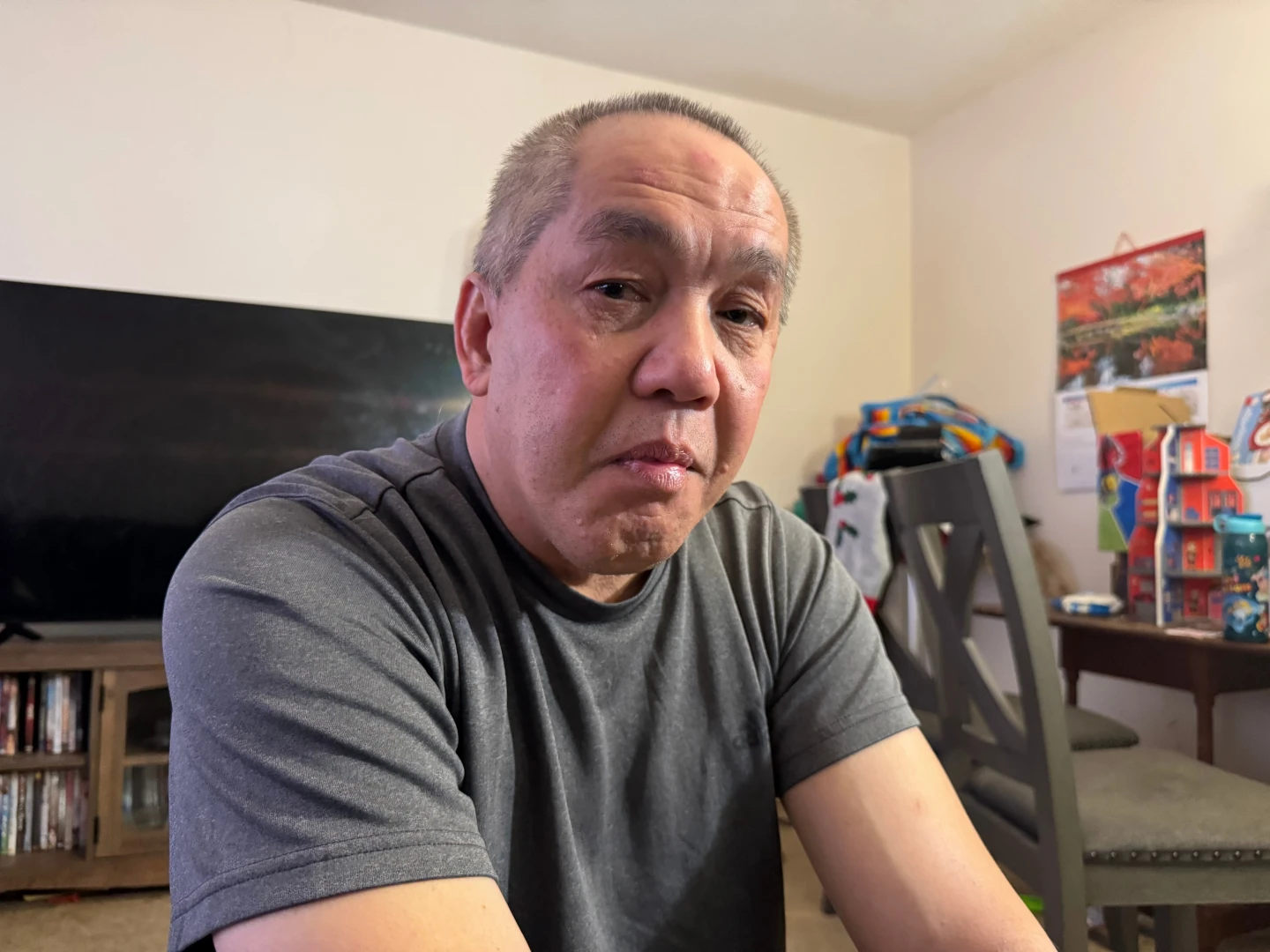
ChongLy “Scott” Thao told the AP that his daughter-in-law woke him up from a nap Sunday afternoon and said that U.S. Immigration and Customs Enforcement agents were banging at the door of his residence in St. Paul. He told her not to open it. Masked agents then forced their way in and pointed guns at the family, yelling at them, Thao recalled.
“I was shaking,” he said. “They didn’t show any warrant; they just broke down the door.”
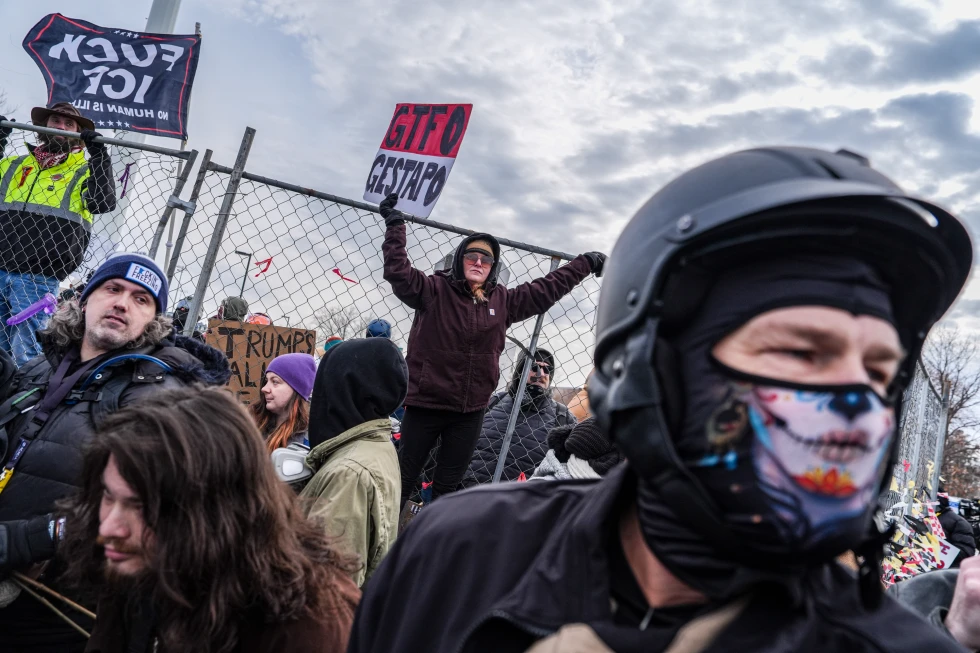
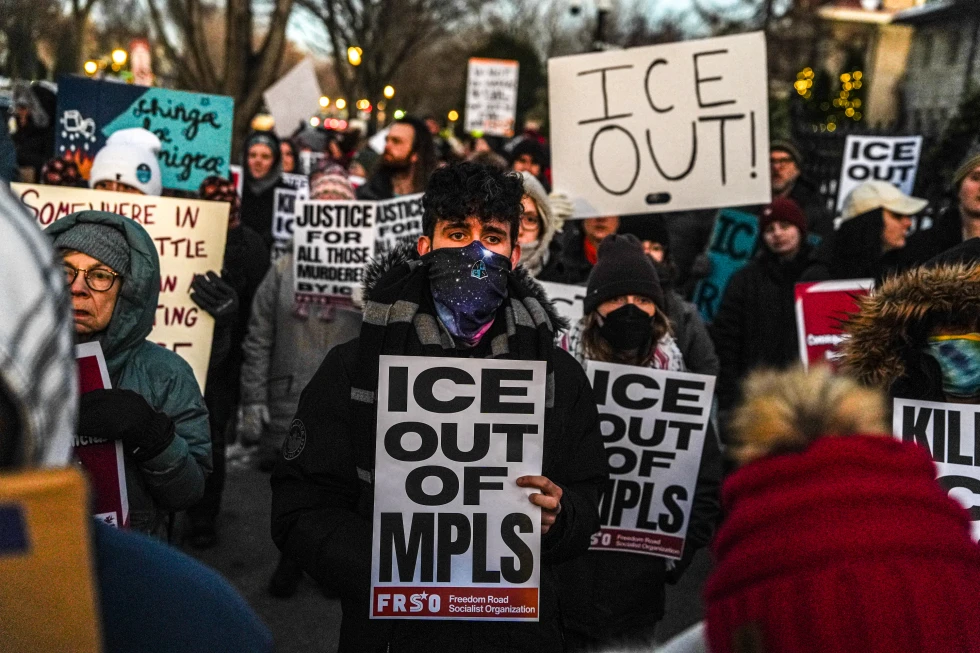
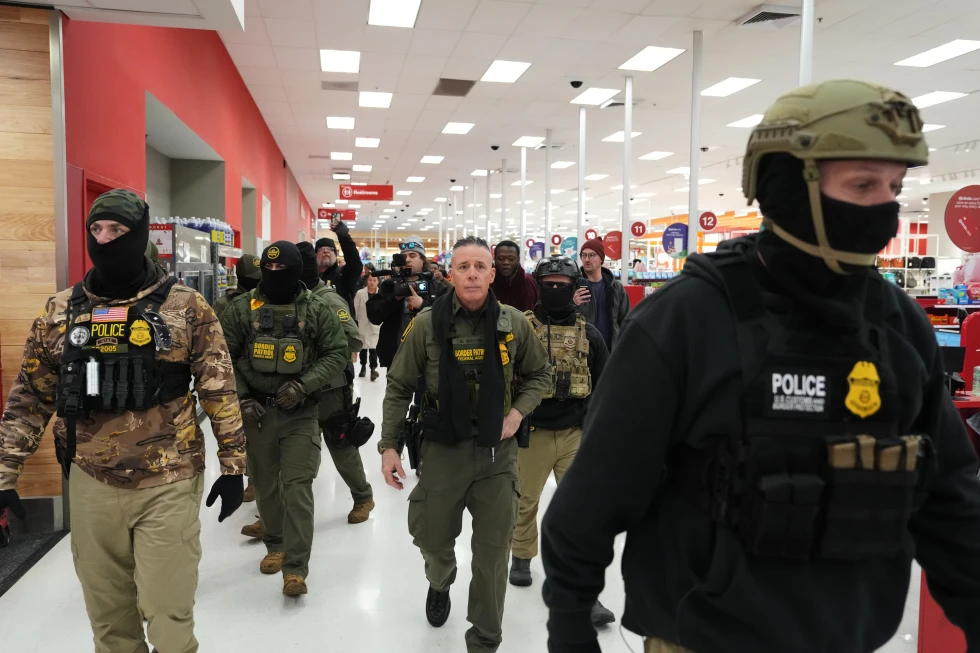
Amid a massive surge of federal agents into the Twin Cities, immigration authorities are facing backlash from residents and local leaders for warrantless arrests, aggressive clashes with protestors, and a recent fatal shooting involving a mother of three.
“ICE is not doing what they say they’re doing,” St. Paul Mayor Kaohly Her, a Hmong American, said in a statement about Thao’s arrest. “They’re not going after hardened criminals. They’re going after anyone and everyone in their path. It is unacceptable and un-American.”
Thao, who has been a U.S. citizen for decades, said that as he was being detained he asked his daughter-in-law to find his identification but the agents told him they didn’t want to see it.
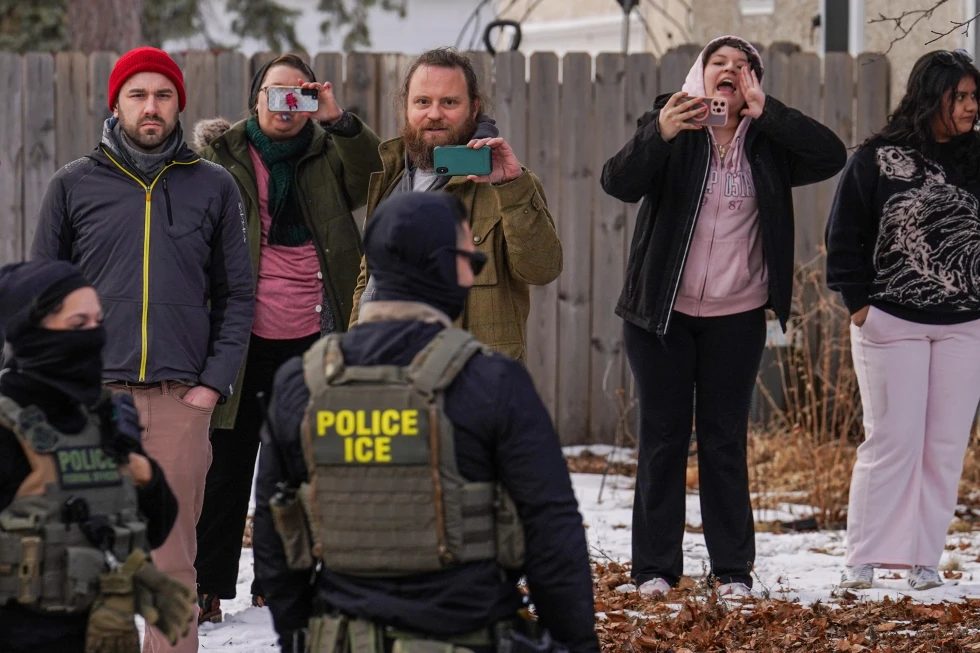
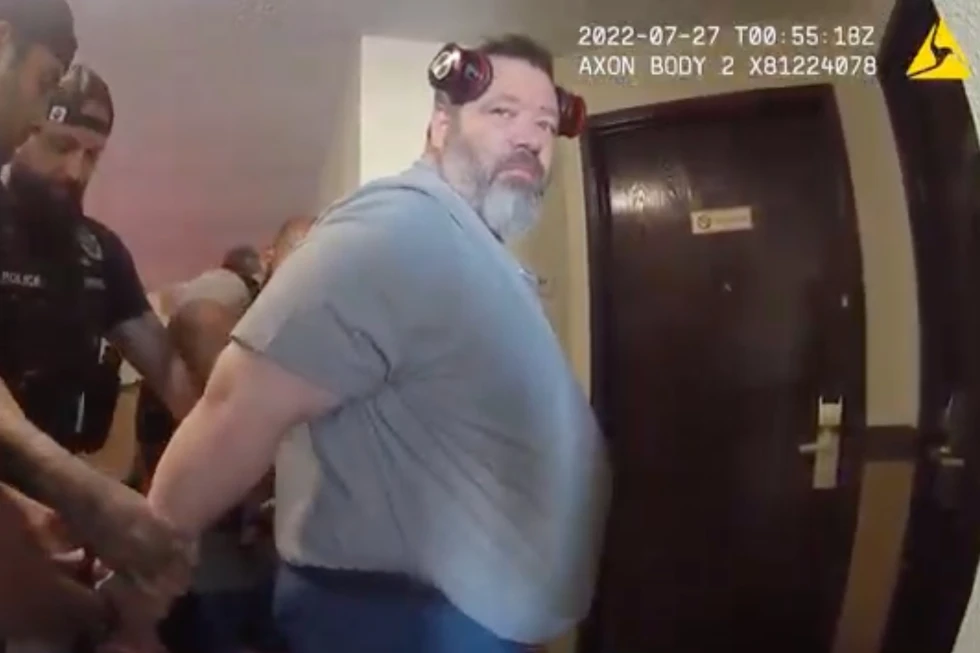
Instead, as his 4-year-old grandson watched and cried, Thao was led out in handcuffs wearing only sandals and underwear, with just a blanket wrapped around his shoulders. Videos captured the scene, which included people blowing whistles and horns and neighbors screaming at the more than a dozen gun-toting agents to leave Thao’s family alone.
Thao said agents drove him “to the middle of nowhere” and made him get out of the car in the frigid weather so they could photograph him. He was asked for his ID, which agents had earlier prevented him from retrieving. Eventually, agents realized that he was a U.S. citizen with no criminal record, and an hour or two later, they brought him back to his house. They made him show his ID then left without apologizing for detaining him or breaking his door.
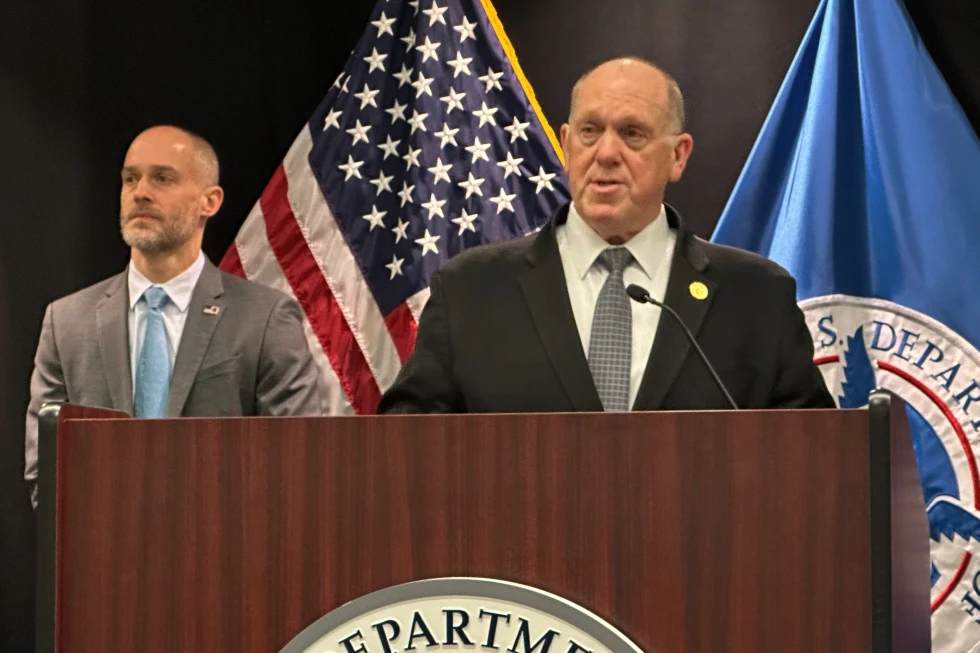
The U.S. Department of Homeland Security described the ICE operation at Thao’s home as a “targeted operation” seeking two convicted sex offenders. However, Thao’s family disputes the DHS claim, asserting that they do not live at the home. Additionally, Thao’s son was stopped by ICE agents while driving to work in connection to the incident.
The family's distress is compounded by their history of fleeing Laos due to political reasons; Thao’s mother had her life supporting U.S. efforts during the Vietnam War.
In light of this incident, Thao plans to file a civil rights lawsuit against the DHS as he no longer feels secure in his own home. “I don’t feel safe at all,” he emphasized. “What did I do wrong? I didn’t do anything.”
Associated Press writer Michael Biesecker in Washington contributed to this report.
ChongLy “Scott” Thao told the AP that his daughter-in-law woke him up from a nap Sunday afternoon and said that U.S. Immigration and Customs Enforcement agents were banging at the door of his residence in St. Paul. He told her not to open it. Masked agents then forced their way in and pointed guns at the family, yelling at them, Thao recalled.
“I was shaking,” he said. “They didn’t show any warrant; they just broke down the door.”
Amid a massive surge of federal agents into the Twin Cities, immigration authorities are facing backlash from residents and local leaders for warrantless arrests, aggressive clashes with protestors, and a recent fatal shooting involving a mother of three.
“ICE is not doing what they say they’re doing,” St. Paul Mayor Kaohly Her, a Hmong American, said in a statement about Thao’s arrest. “They’re not going after hardened criminals. They’re going after anyone and everyone in their path. It is unacceptable and un-American.”
Thao, who has been a U.S. citizen for decades, said that as he was being detained he asked his daughter-in-law to find his identification but the agents told him they didn’t want to see it.
Instead, as his 4-year-old grandson watched and cried, Thao was led out in handcuffs wearing only sandals and underwear, with just a blanket wrapped around his shoulders. Videos captured the scene, which included people blowing whistles and horns and neighbors screaming at the more than a dozen gun-toting agents to leave Thao’s family alone.
Thao said agents drove him “to the middle of nowhere” and made him get out of the car in the frigid weather so they could photograph him. He was asked for his ID, which agents had earlier prevented him from retrieving. Eventually, agents realized that he was a U.S. citizen with no criminal record, and an hour or two later, they brought him back to his house. They made him show his ID then left without apologizing for detaining him or breaking his door.
The U.S. Department of Homeland Security described the ICE operation at Thao’s home as a “targeted operation” seeking two convicted sex offenders. However, Thao’s family disputes the DHS claim, asserting that they do not live at the home. Additionally, Thao’s son was stopped by ICE agents while driving to work in connection to the incident.
The family's distress is compounded by their history of fleeing Laos due to political reasons; Thao’s mother had her life supporting U.S. efforts during the Vietnam War.
In light of this incident, Thao plans to file a civil rights lawsuit against the DHS as he no longer feels secure in his own home. “I don’t feel safe at all,” he emphasized. “What did I do wrong? I didn’t do anything.”
Associated Press writer Michael Biesecker in Washington contributed to this report.