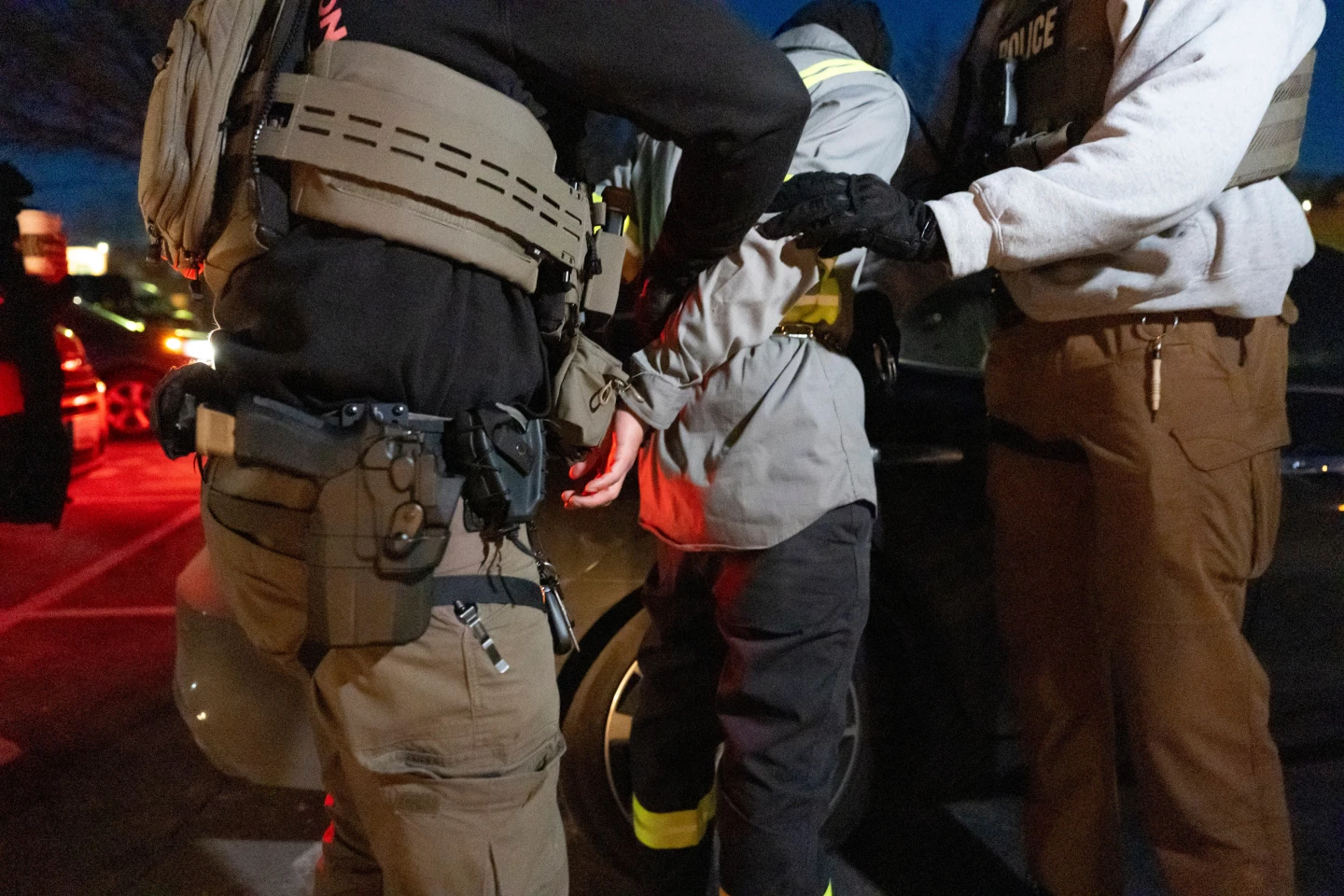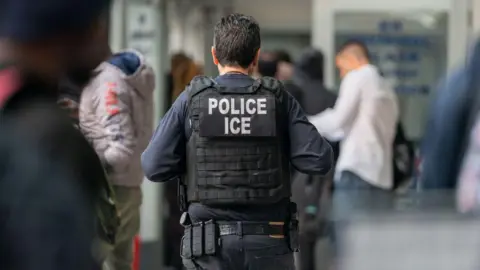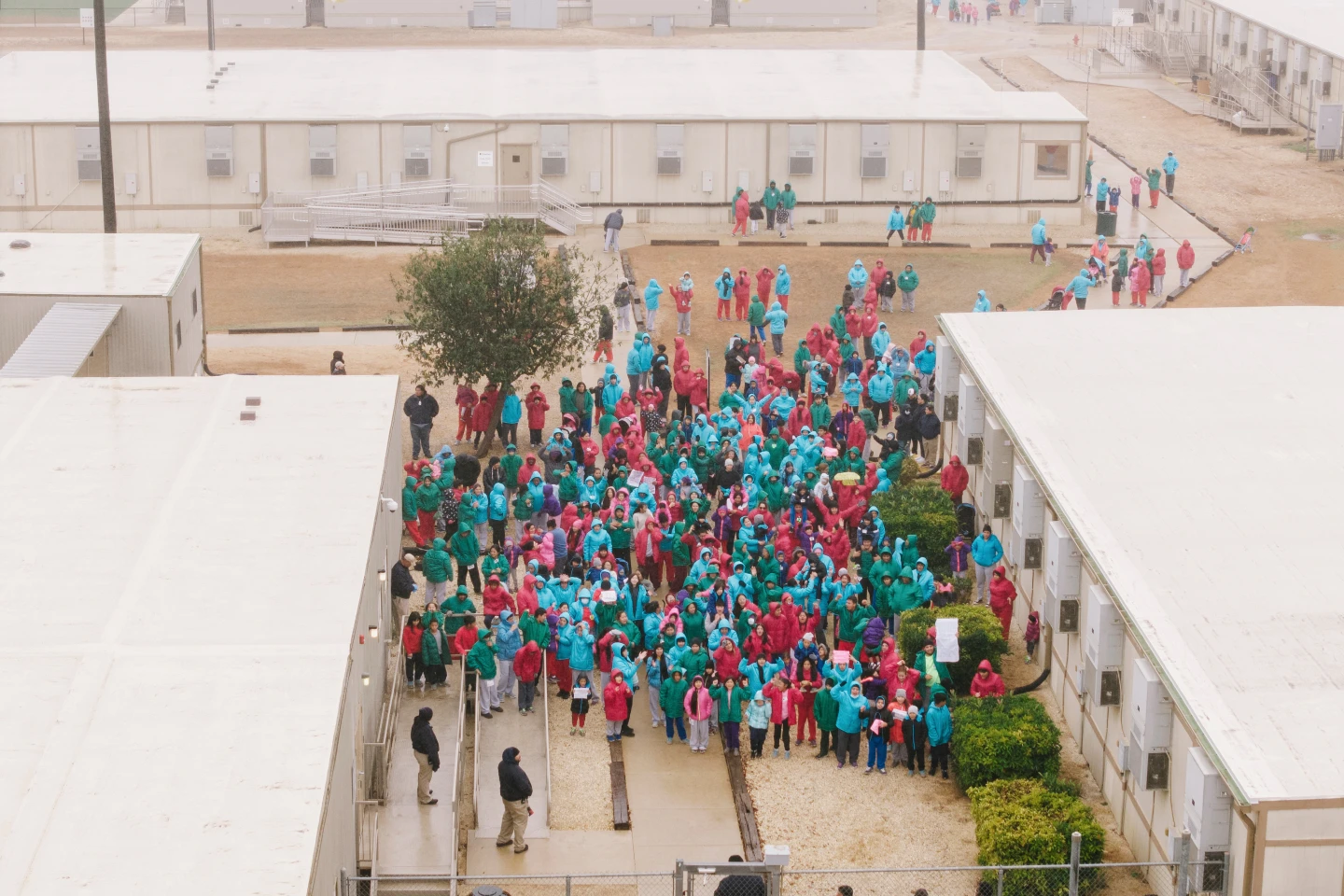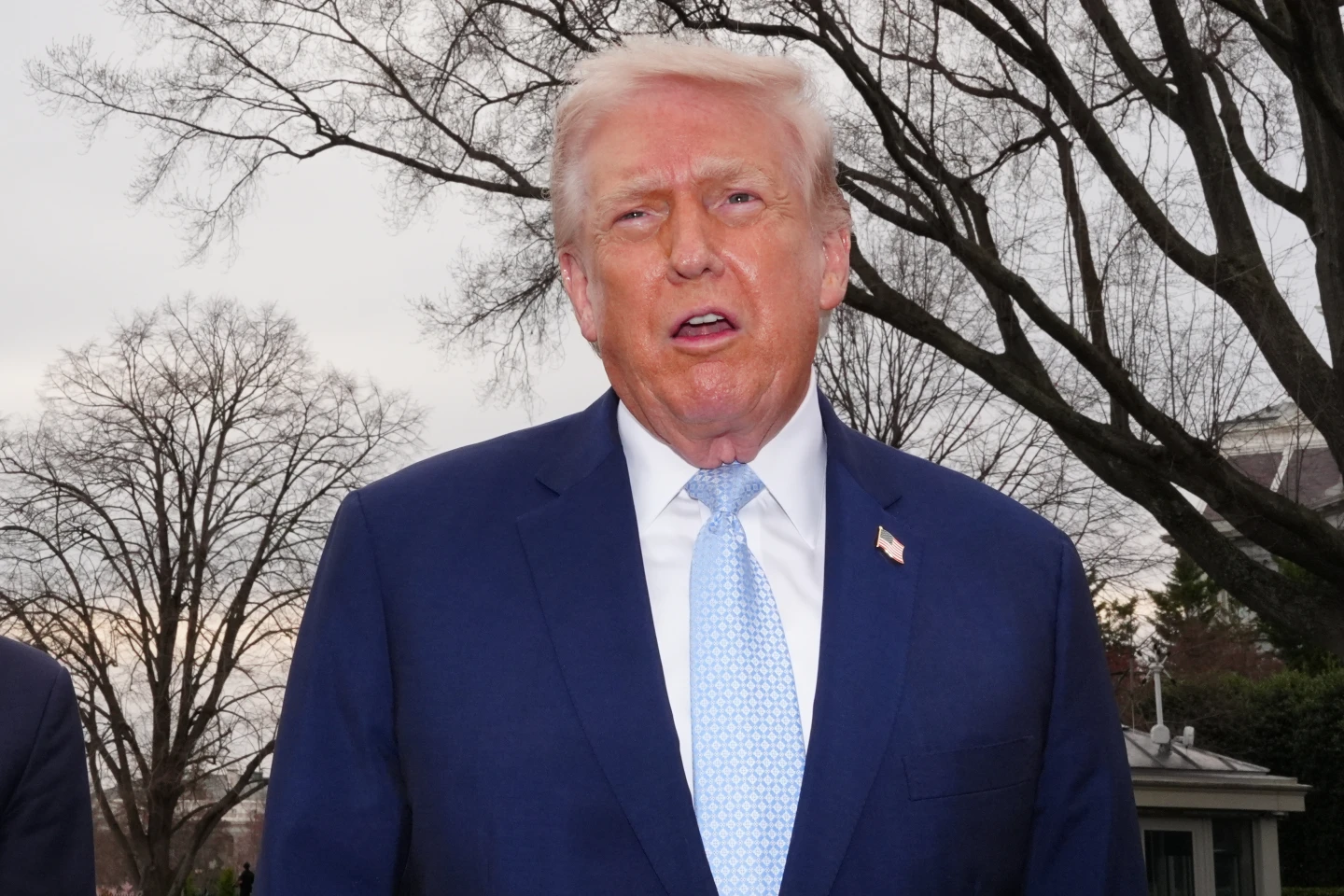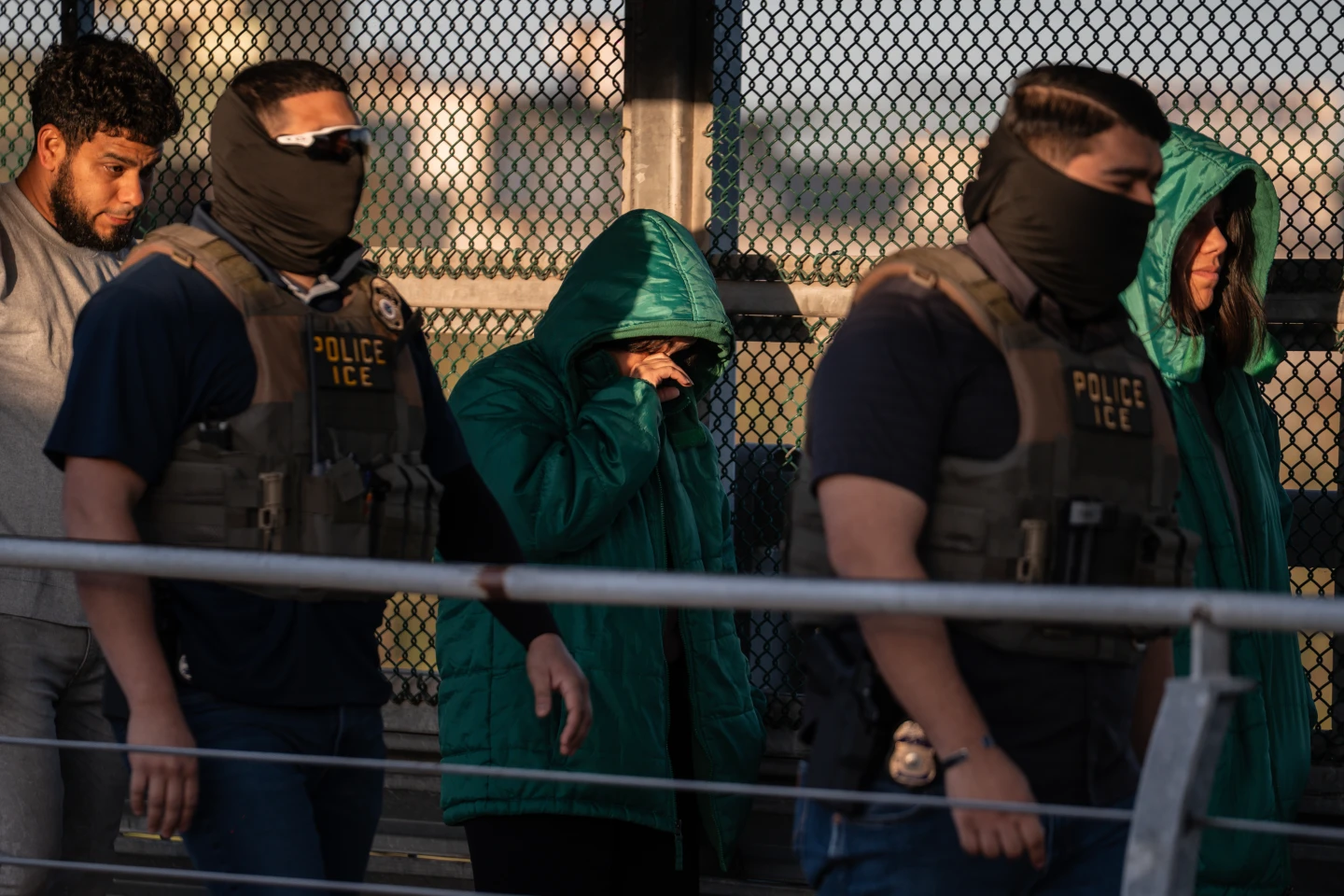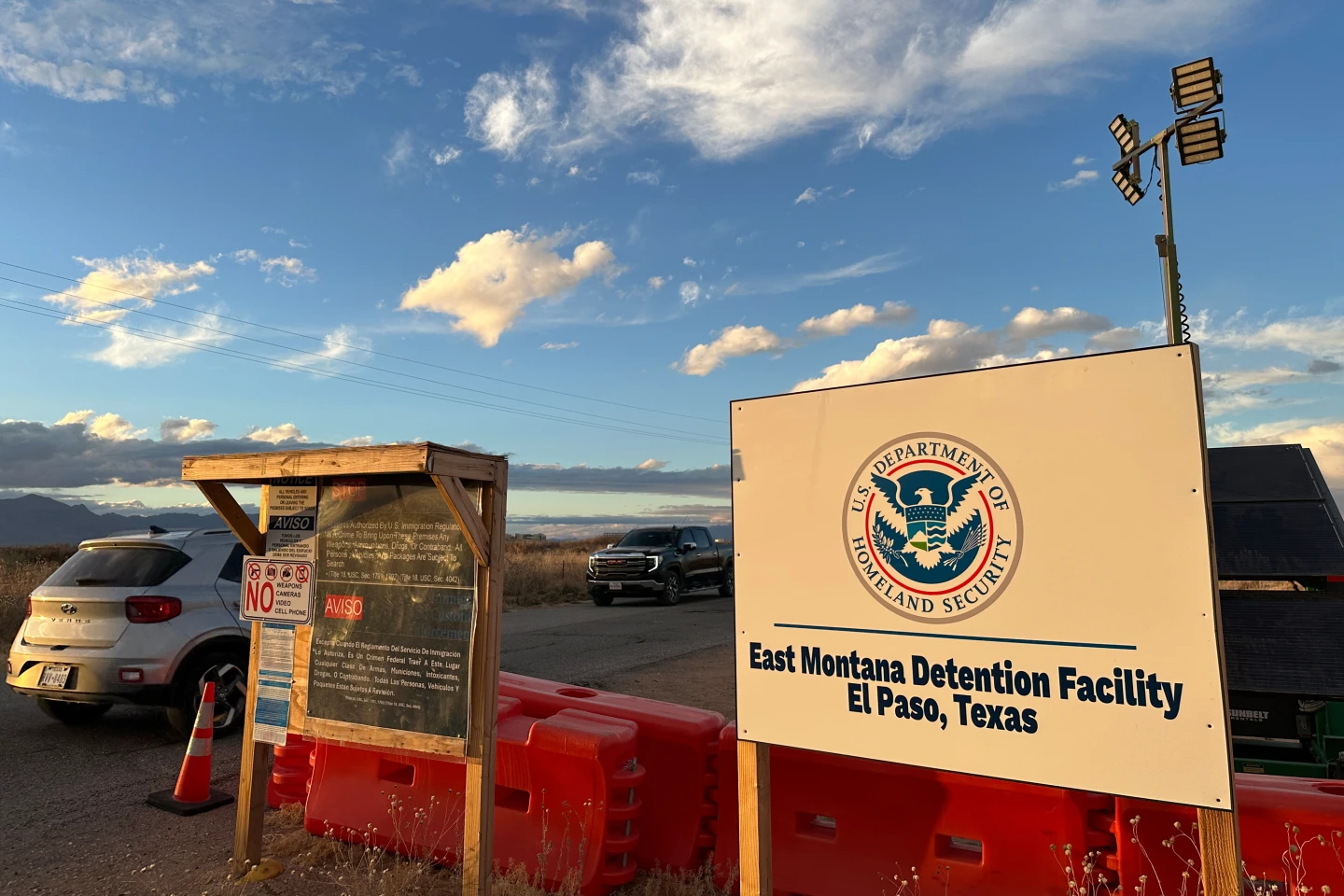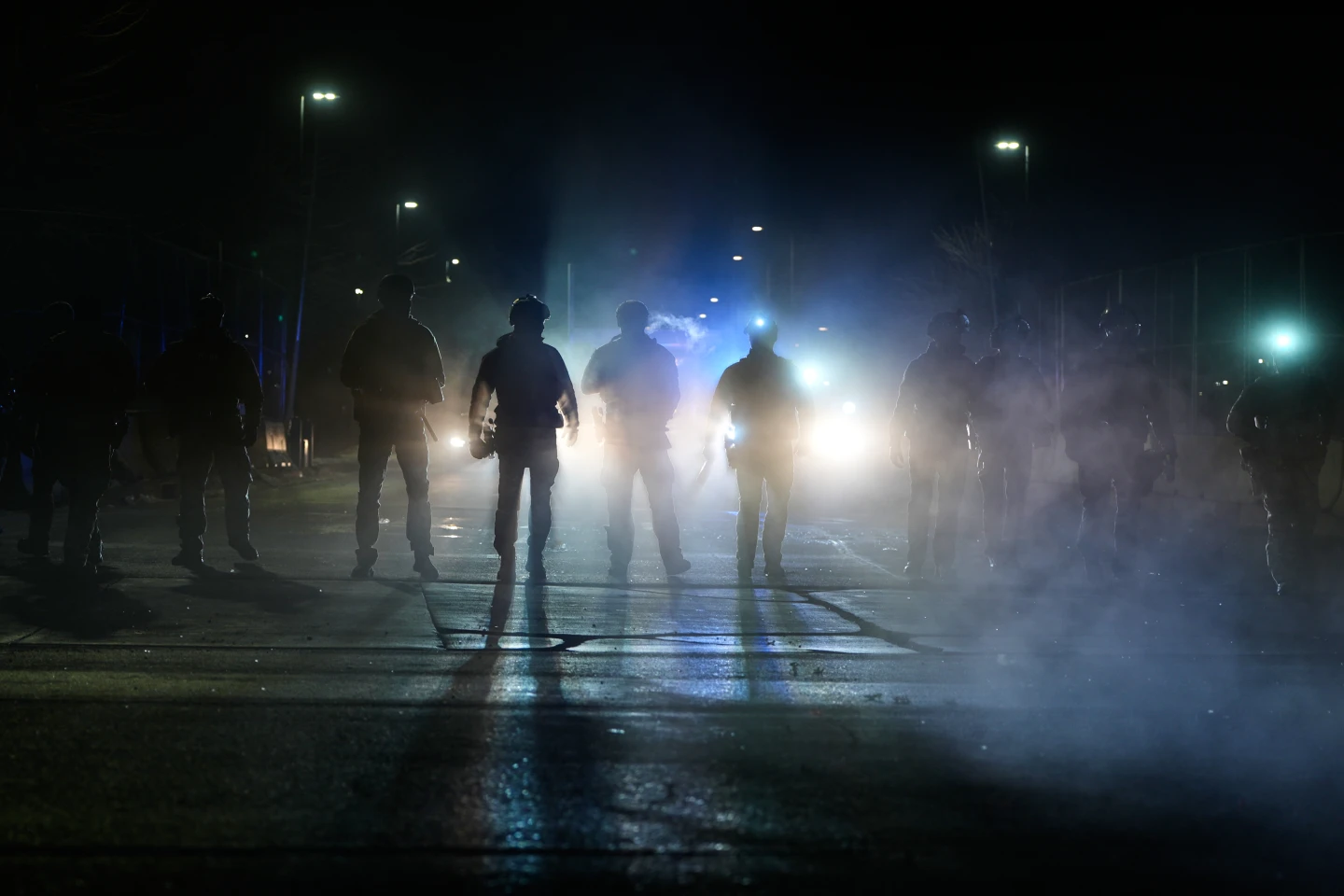
MINNEAPOLIS – The dawn rides in with the heavy vehicles of federal officers as their immigration enforcement operation, dubbed Operation Metro Surge, commences near major landmarks in the Twin Cities. The streets are soon filled with unmarked SUVs and armored vehicles, quickly becoming an all too familiar sight in Minneapolis and St. Paul.
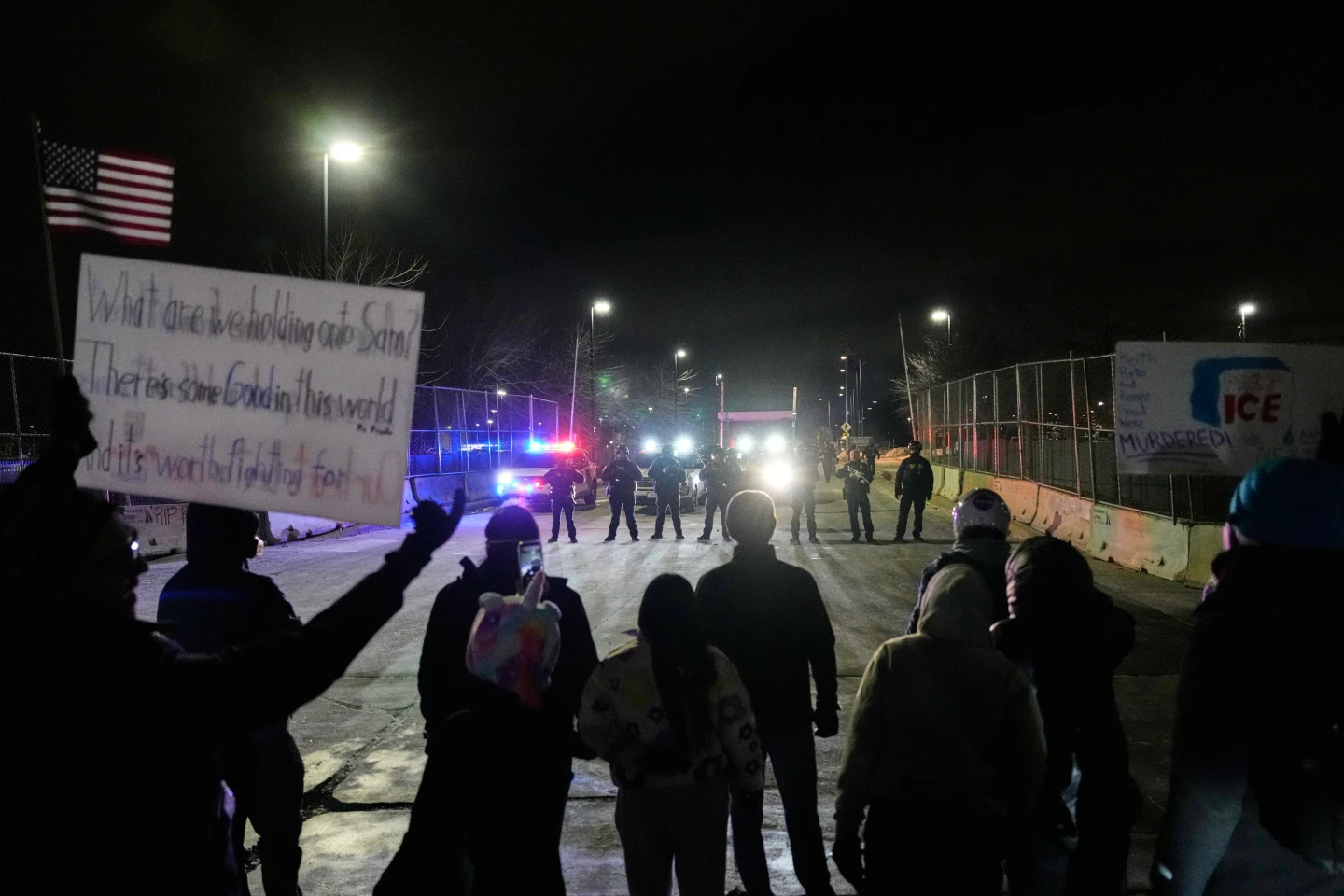
As the federal convoys roll by, a group of protesters braves the cold by the federal compound, shouting slogans against the Immigration and Customs Enforcement (ICE). The tension in the air is palpable as nightfall brings clashes, with federal officers firing tear gas to disperse angry crowds.
Operation Metro Surge marks a significant intensification of immigration enforcement, involving over 2,000 federal agents, and it has resulted in frequent clashes between activists and immigration officers. The crackdown has taken a tragic turn with the death of Renee Good, a mother of three who was shot by an ICE officer during a confrontation earlier this month.
The disproportionate presence of federal agents looms large over the mainly immigrant neighborhoods, causing fear and unrest. Reports of children skipping school, families avoiding public gatherings, and businesses temporarily closing are becoming commonplace as the community grapples with the threats posed by a surge of immigration enforcement concentrated in a small geographic area.
“What we are witnessing is an invasion,” lamented Minneapolis Mayor Jacob Frey, highlighting the grave disparities between the local police force and the federal forces deployed. The stark reality is that while federal officials assert their presence, local residents face a chilling environment of uncertainty.
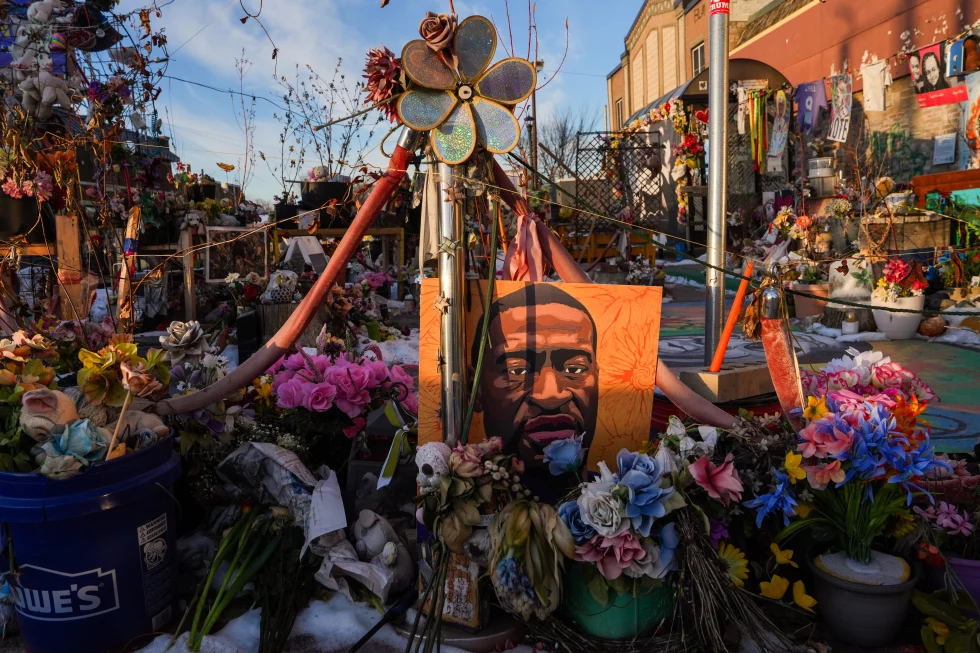
The shadow of George Floyd’s death still hangs over the city. The recent events have sparked heated discussions regarding law enforcement's actions, questioning the overreach and accountability of federal authorities. Activists have vowed to keep up the pressure, drawing solidarity from community support activities aimed at providing resources and assistance to those impacted by the crackdown.
In neighborhoods where the immigrant population is historically significant, residents organize peaceful counter-protests and support initiatives, distributing food and supplies while remaining on guard against ICE actions. Yet, the potential for violence escalates as confrontations increase, reminding Minneapolis of its tumultuous past.