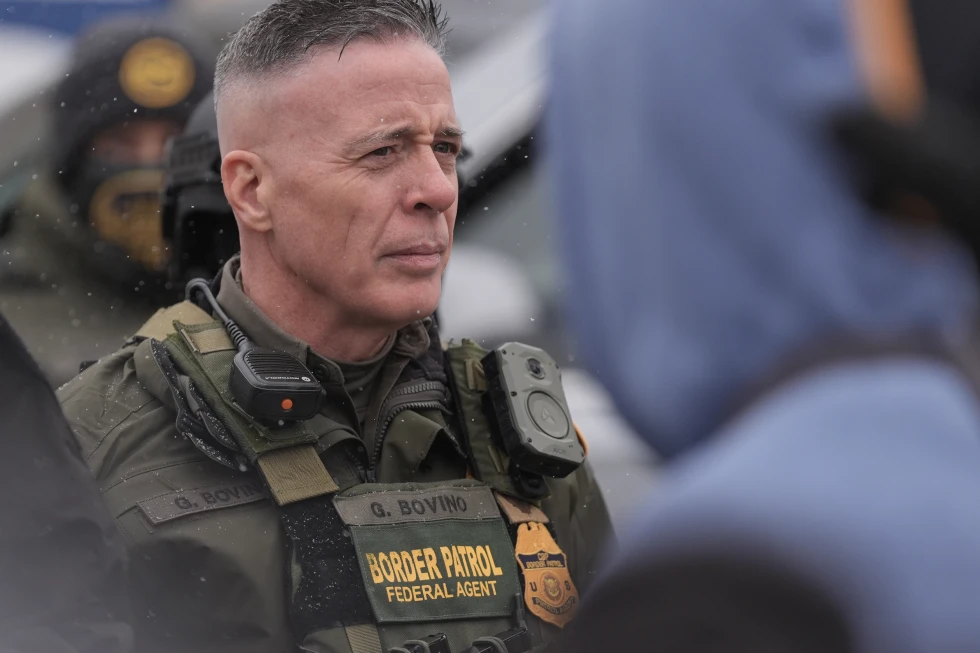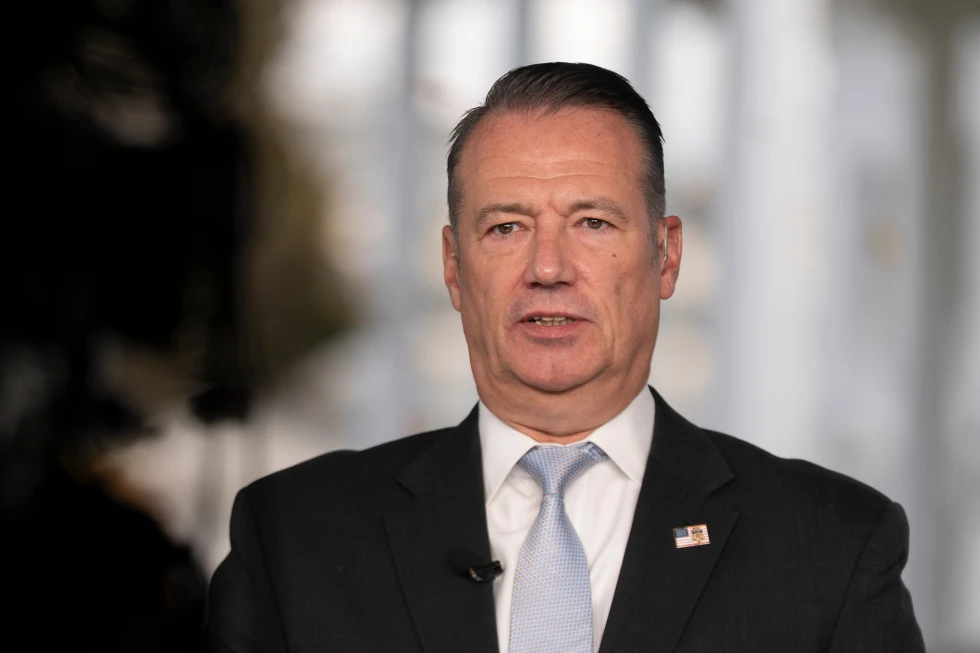
PORTLAND, Maine (AP) — In the midst of a fierce Senate race, Maine's top Republican and Democratic leaders have expressed drastically different reactions to the recent surge in Immigration and Customs Enforcement (ICE) operations. As agents ramp up arrests, concerns are rising in immigrant communities.
Democratic Governor Janet Mills has demanded accountability from ICE, challenging the agency to disclose judicial warrants and real-time arrest statistics, stating, Maine will not be intimidated. The reckless actions of ICE will not be tolerated here in Maine. Her remarks indicate a strong opposition to what she perceives as overreach by immigration officials.
Governor Mills also called on her Republican opponent, Senator Susan Collins, to take action following the House GOP's recent dismissal of proposed funding cuts to ICE. In contrast, Senator Collins refrained from condemning ICE's tactics directly but suggested that legal immigrants should not face undue scrutiny and advocated for policies that enhance ICE's accountability through improved training and equipment.
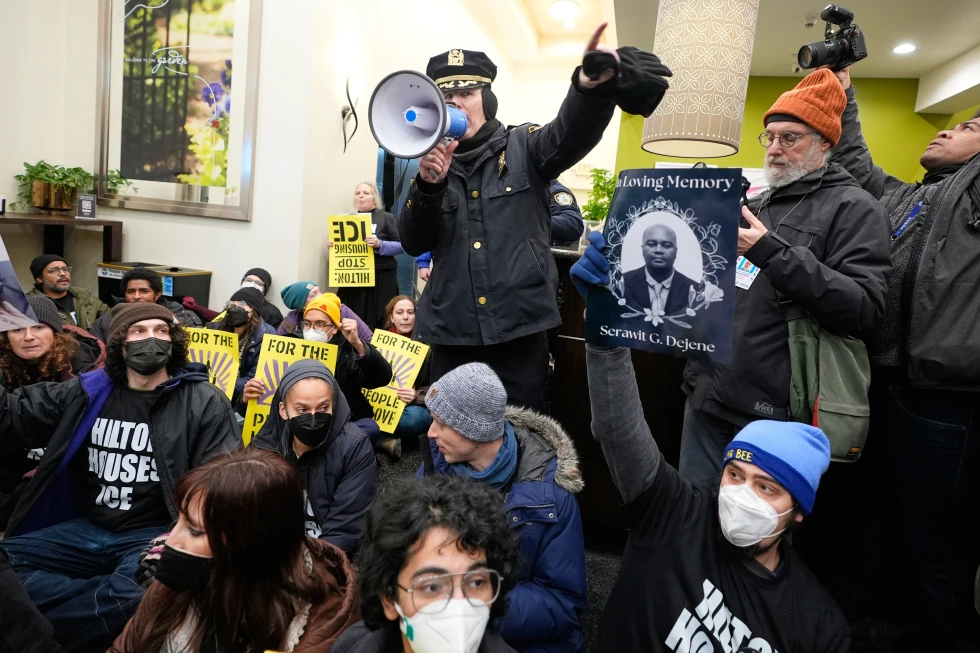
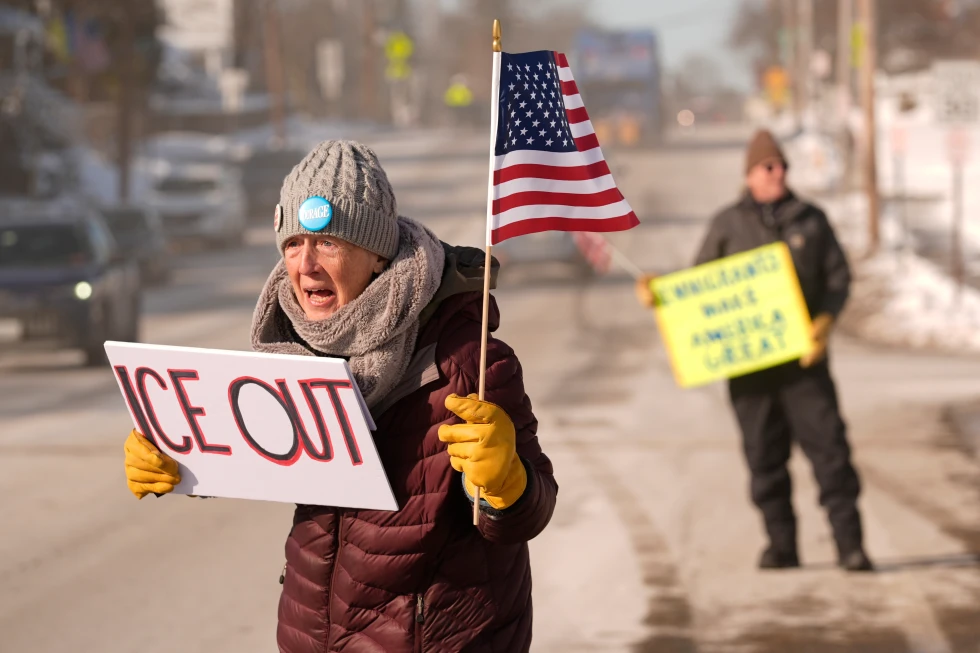
The growing tension is further heightened by forthcoming demonstrations planned against ICE actions in cities like Portland and Lewiston, with local leaders emphasizing the need for community solidarity amidst fears of increased enforcement targeting families.
As the Senate race continues, Mills will first face Graham Platner, a Democrat whose campaign is backed by Senator Bernie Sanders. Platner has joined the calls against ICE's presence, lamenting the climate of fear that has arisen in immigrant neighborhoods.
ICE has indicated that their recent operation, dubbed Operation Catch of the Day, targets approximately 1,400 individuals, allegedly including those with serious criminal backgrounds. This operation has unveiled a chasm between political rhetoric and community concerns, as many residents express fear of deportation even if they are legally present.
Local immigrant Cristian Vaca described a frightening encounter with ICE agents outside his home, reinforcing the anxiety and distress felt within these communities. As activism against ICE intensifies, the political landscape in Maine remains tense and fraught with differing views on immigration policy.