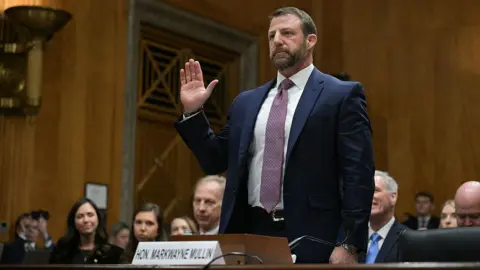
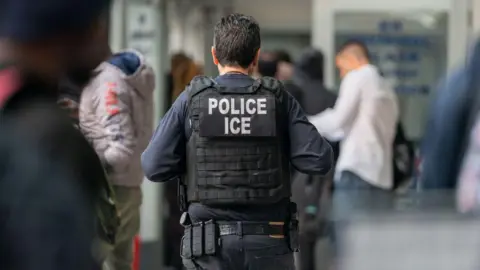
WASHINGTON (AP) — The Department of Homeland Security (DHS) has put a halt to the purchase of new warehouses intended to house immigrants, pending a thorough review of all contracts established under former Secretary Kristi Noem. This announcement, made by a senior DHS official wishing to remain unnamed, follows the swearing-in of the new Secretary, Markwayne Mullin, who is now also addressing the controversial legacy of the previous administration.
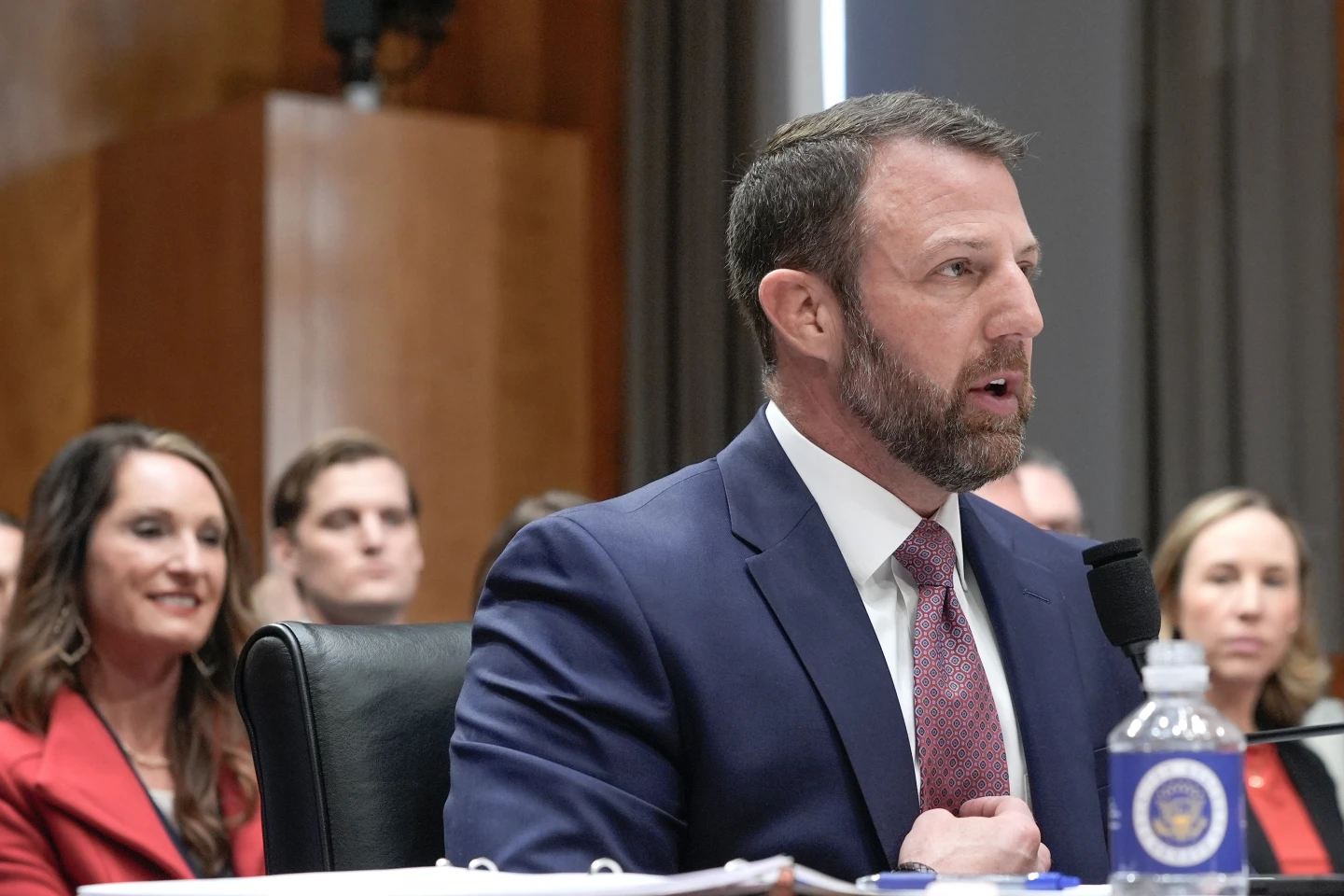
In a statement, the DHS indicated, 'As with any transition, we are reviewing agency policies and proposals.' Mullin, in his confirmation hearing, expressed a desire to collaborate closely with community leaders and stakeholders, emphasizing the importance of their input.
The newly inherited plan initially aimed to expand detention capacity to accommodate 92,000 beds across eight large-scale centers, each holding between 7,000 to 10,000 detainees, alongside 16 smaller processing centers. This ambitious proposal has met with significant opposition from local communities concerned about the implications of such facilities on local resources and moral standings.
To date, 11 warehouses have been purchased in various states, totaling costs of approximately $1.074 billion. However, lawsuits are ongoing in three states, and there are adjustments to plans at certain sites, such as a substantial reduction in the proposed capacity of a facility in Surprise, Arizona.
Mayor Kevin Sartor of Surprise informed the media that plans for a 1,500-bed processing center have been scaled back to only 542 beds, reflecting the broader push to reevaluate ICE's presence and its community impact.
This review process illustrates a growing sensitivity within the DHS towards local governance and infrastructure capabilities, ensuring the agency is better suited to meet community needs as it moves forward with its immigration strategies.
As Mullin continues to navigate these changes, he acknowledges the challenges posed by infrastructure limitations in municipalities and has committed to fostering dialogue with communities affected by immigration policies. Remaining focused on protecting the homeland, he aims to redefine DHS objectives in a manner that aligns with community concerns.