In brief
In a shocking exposé, former students recount horrific experiences in China's disciplinary schools aimed at reforming 'rebellious' youth. The BBC investigation uncovers a network of abusive institutions where harsh punishment, abduction, and sexual abuse are rampant. Despite the ban on corporal punishment, testimonies reveal a culture of violence and hopelessness, raising questions about the accountability of these facilities and the social pressures driving parents to send their children to them.
Warning: This report contains details of physical and sexual abuse and discussion of suicide.
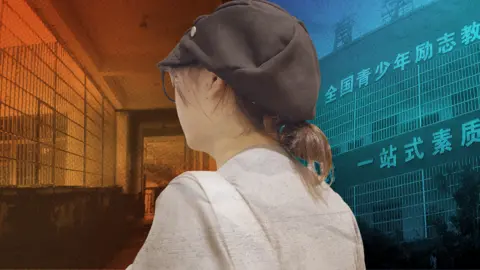
Baobao's heart still races when she smells soil after morning rain. It takes her back to early military drills behind locked gates - and the constant fear that marked every one of her days at Lizheng Quality Education School. For six months, aged 14, she barely left the red and white building where instructors tried to 'fix' young people whose families considered them rebellious or problematic. Students who failed to comply were beaten severely.
A BBC Eye investigation has uncovered multiple allegations of physical abuse in the school and others in the same network, where corporal punishment has been forbidden for decades in China. Testimonies from 23 former students reveal horrific abuse: beatings, forced exercises, and sexual assaults. Undercover footage has exposed staff posing as authorities to forcibly transfer young people to these institutions.
The culture surrounding these schools contributes to a booming industry that exploits anxious parents, promising military-style discipline as a cure for their children's nonconformity. The allegations of abuse have fostered public outcry, leading to arrests and some institutional closures, yet many continue to operate by simply reopening under new names.
In the eyes of both Baobao and another victim, Enxu, their experiences have been agonizing and transformative. They reflect the societal pressures faced by families in urban China, as they struggle with academic expectations, familial conflicts, and issues of identity. As young women who have navigated the harrowing corridors of these schools, they advocate to raise awareness and seek justice against the enterprises profiting from their pain.
The reform rhetoric in these environments contradicts the violent realities faced by young people, imposing harsh standards under the guise of rehabilitation. Both Baobao and Enxu express regret over their lost educational opportunities, shedding light on the deeper societal issues influencing parental decisions to send their children to such facilities. Ultimately, they argue that these institutions perpetuate a cycle of violence that should be dismantled for the sake of vulnerable youth.