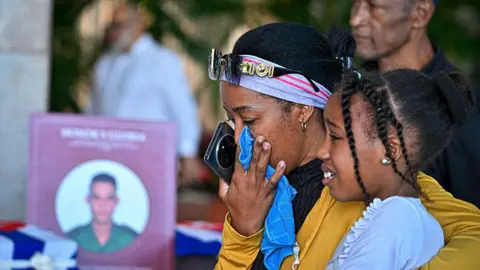
From sunrise, throngs of military personnel, government officials, and civilians lined the route between Havana's airport and the Armed Forces Ministry to applaud home the remains of 32 Cuban troops killed in Venezuela as they passed by in a funeral cortege.
The country's leadership – from Raul Castro to President Miguel Diaz Canel – were at the airport to receive the boxes carrying the cremated ashes of their '32 fallen heroes'.
In the lobby of the ministry building, each box was draped in a Cuban flag and set next to a photograph of the respective soldier or intelligence officer beneath the words 'honour and glory'.
But despite the pomp and full military honours, this has been a chastening experience for the Cuban Revolution.
It is believed to be the biggest loss of Cuban combatants at the hands of the US military since the Bay of Pigs invasion in April 1961, a stark reminder of the historical tensions that have marked Cuban-American relations.
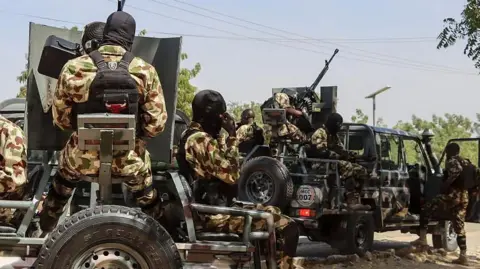
The better-trained and better-equipped Delta Force soldiers emerged from the skirmish virtually unscathed, emphasizing the fierce disparity in military capabilities between the two nations.
As families mourned their losses in Havana, the Cuban government found itself confronting a reality it had long denied: the significant presence of Cuban intelligence in Venezuela.
This loss has caused deep sorrow, leaving many questioning the future of Cuba's alliance with Venezuela as the politics of the region shift.
With the US administration under Trump now appearing to find common ground with the interim Venezuelan leadership, Cubans worry about their own security and the ongoing relevance of their revolutionary principles.
The historical essence of this confrontation cannot be understated; figures like Victor Dreke, a veteran of the Cuban Revolution, assert that Cuba would fiercely resist any potential US invasion, invoking spirits of resilience and nationalism.
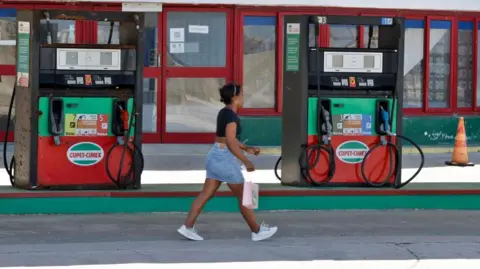
In the face of current economic strife, with widespread shortages and struggling industries, the stakes for Cuba are higher than ever as they navigate the complex web of international relations and internal challenges.
While former military leaders hold steadfast to their revolutionary fervor, the future remains uncertain as Cuba contemplates its next steps against a backdrop of increasing pressures.