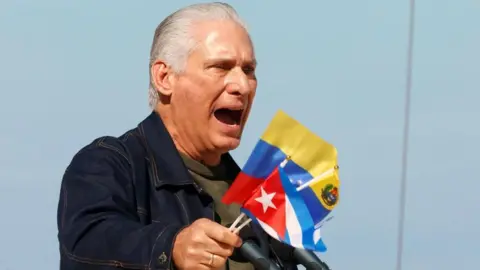
After Venezuela, there is no nation in the Americas more affected by the events in Caracas than Cuba.
The two nations have shared a political vision of state-led socialism since a fresh-faced Venezuelan presidential candidate, Hugo Chávez, met the aged leader of the Cuban Revolution, Fidel Castro, on the tarmac at Havana airport in 1999.
For years, their mutual ties deepened, as Venezuelan crude oil flowed to the communist-run island in exchange for Cuban doctors and medics travelling in the other direction.
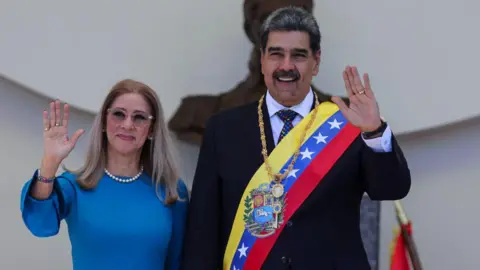
Following the deaths of both leaders, it was Nicolás Maduro - trained and instructed in Cuba - who took the reins, chosen partly for his acceptability to the Castro brothers and representing continuity for both the Cuban and Venezuelan revolutions.
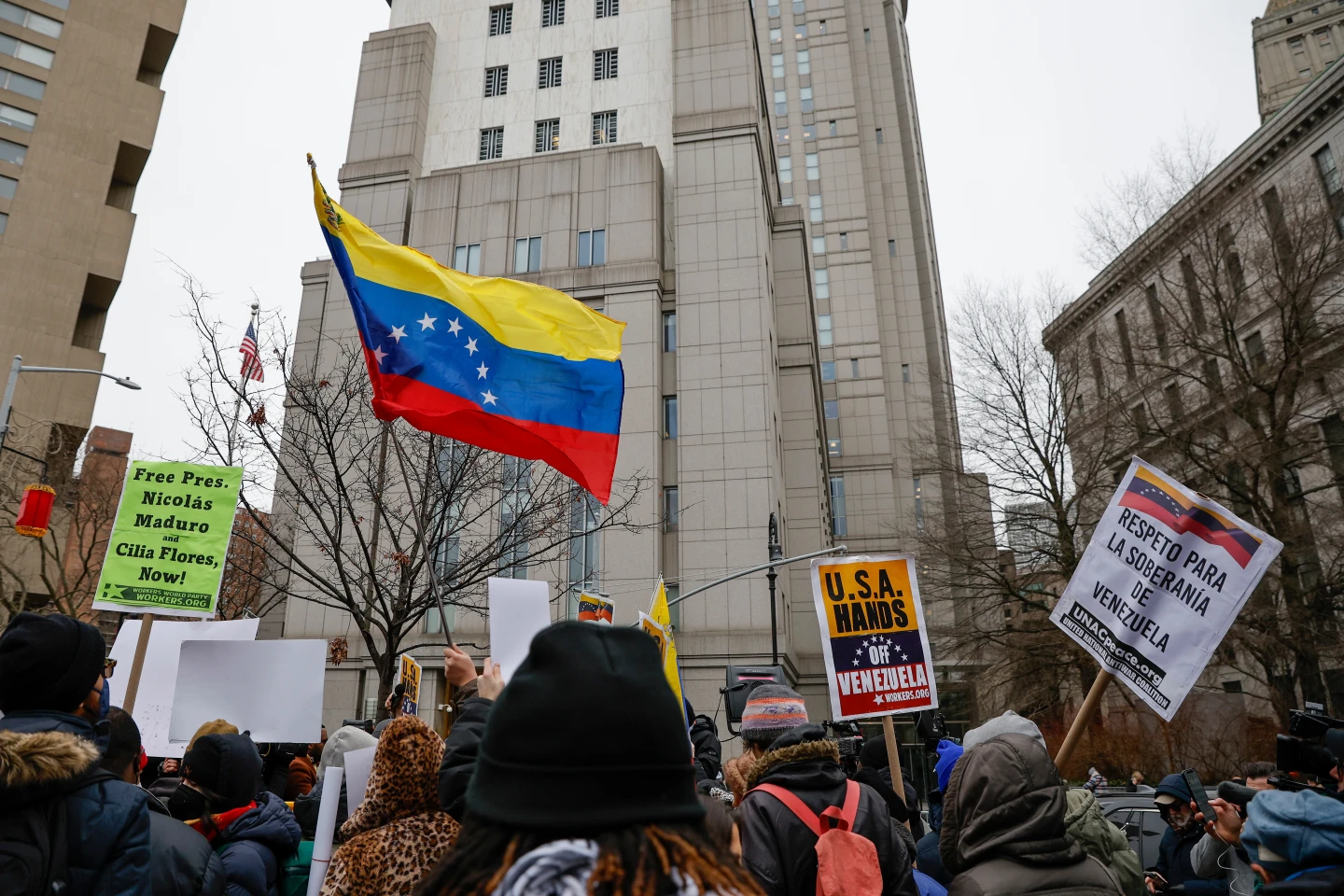
Now, with Maduro forcibly removed by a U.S. military operation, Cuba must reckon with the implications of his absence.
The Cuban government has vocally condemned the attack and declared two days of national mourning for the 32 Cuban nationals reported dead. These fatalities highlight Cuba's deep influence within the Venezuelan government, where Maduro's security detail was composed primarily of Cuban nationals.
Despite previous denials, it has become evident that Cuba maintained clandestine support within Venezuela's military and intelligence sectors, complicating relations in the wake of Maduro's exit.
As Cuba mourns, domestic conditions worsen with a deepening economic crisis intensified by U.S. sanctions. Reports highlight persistent blackouts, food shortages, and a public health crisis marked by a resurgence of mosquito-borne diseases.
The future of Cuban-Venezuelan relations hangs precariously, with fears that a new leadership in Caracas might limit the flow of oil crucial for Cuba's survival. The loss of Maduro has added a layer of uncertainty in an already strained alliance.
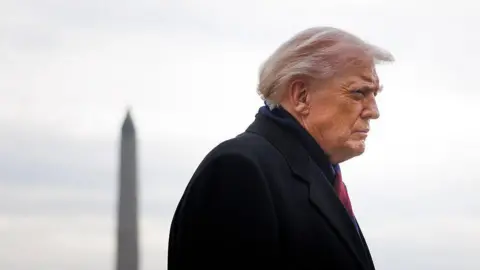
President Trump has reiterated U.S. dominance in the region, claiming that the U.S. holds the power to significantly influence Venezuela's next steps and indirectly impacting Cuba.
Meanwhile, Cuba's defiant stance, embodied by its leaders and the rhetoric expressing solidarity with Venezuelan comrades, stands firm against the backdrop of isolation and impending crisis.
In summary, while Cuba prides itself on resilience, the socio-economic realities and external pressures may soon test the limits of that resolve in the uncharted waters following Maduro's ousting.