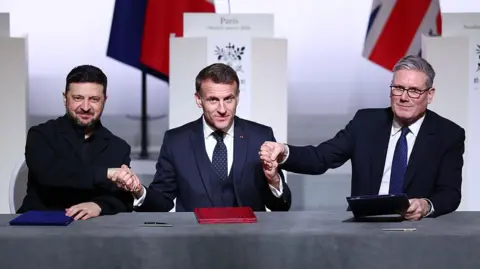
Earlier today, the so-called Coalition of the Willing, largely made up of European leaders, met in Paris with envoys of US President Donald Trump, to try to make further progress on a sustainable peace deal for Ukraine.
With Ukraine's President Volodymyr Zelensky insisting a plan to end the war with Russia is '90% of the way there', no-one in that room wanted to jeopardize keeping the Americans onboard.
But there was an immense elephant in that grand and glittering Paris meeting and the underlying atmosphere was extremely tense.
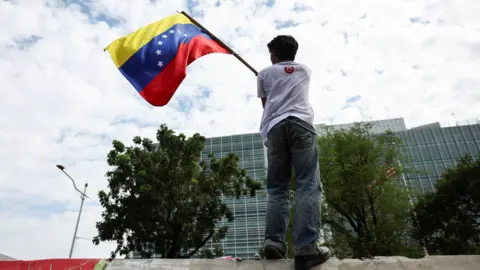
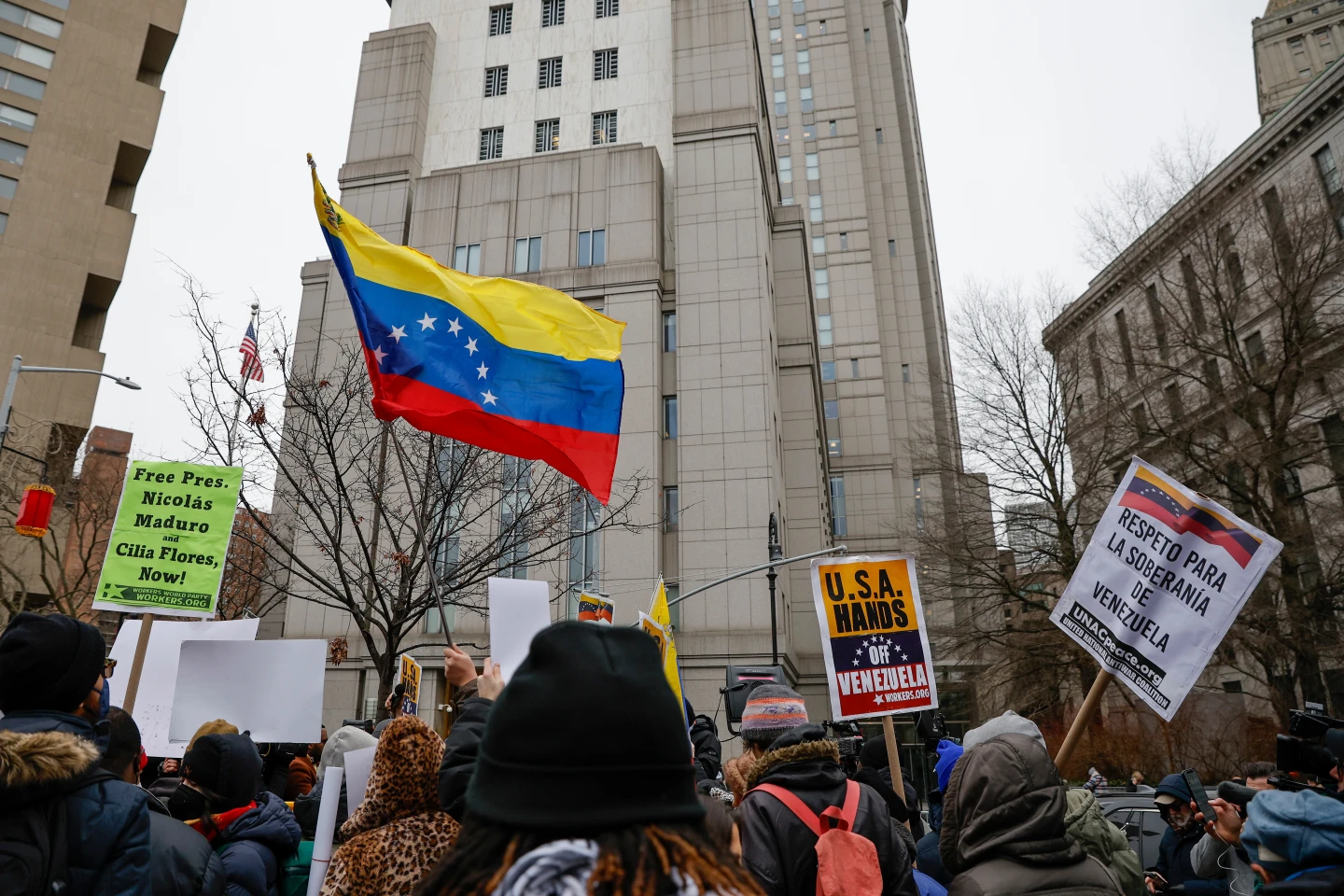
Bear in mind the events of the last few days: the Trump administration's controversial intervention in Venezuela and the US president's insistence soon after, that 'we need Greenland from the standpoint of national security'.
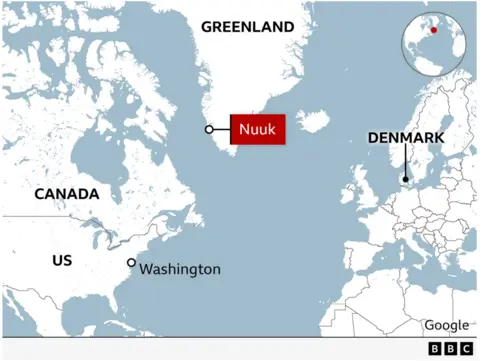
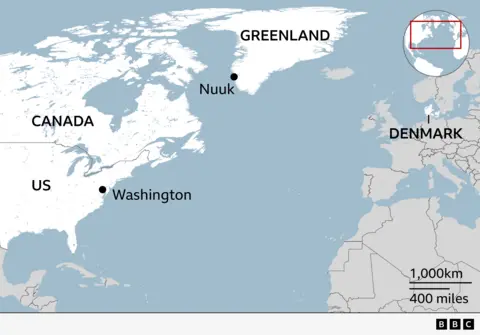
Greenland is the world's largest island - it's six times the size of Germany. It lies in the Arctic but is an autonomous territory of Denmark's.
At the Paris meeting, Mette Frederiksen, Denmark's Prime Minister, was sitting opposite two powerful figures representing Trump: special envoy Steve Witkoff and Trump's son-in-law Jared Kushner.
She was under pressure from European colleagues not to antagonize the US over Greenland, in case that impacts US support for Ukraine.
Europe's leaders would have far preferred to keep Greenland and the debate on Ukraine separate. But with the political temperature mounting from Washington and Copenhagen, leaders of big European nations at the Paris meeting issued a statement saying: 'Greenland is part of NATO. Security in the Arctic must therefore be achieved collectively, in conjunction with NATO allies including the United States'.
'It is for Denmark and Greenland, and them only, to decide on matters concerning Denmark and Greenland,' the statement added.
The communique was welcomed by Greenland's prime minister, Jens Frederik Nielsen, but critics say it was slow to be put together and, because of the limited number of signatories to the statement, it failed to show a Europe united in purpose.
Consider the irony at play at the France meeting. Multiple European national and other leaders, including of NATO and the EU, are trying to engage the Trump administration in safeguarding the future sovereignty of a European country (Ukraine) against the aggressive territorial ambitions of an outside force (Russia), just after the US has swooped into sovereign Venezuela militarily, taking its president into custody, while also continuing to actively threaten the sovereignty of another European nation (Denmark).
Denmark has indicated it is open to discussion about a bigger US presence on the island and more but faced with the US President's threat of unilateral action, Fredeiksen said on Monday that Trump's ambition to take Greenland should be taken seriously.
After the US administration's actions in Venezuela this weekend, her colleagues across Europe are doing just that.
The question is, were Trump to make good on his ambition to bring Greenland under US control, would it mark not just an existential threat to NATO but also a major crisis for the EU?