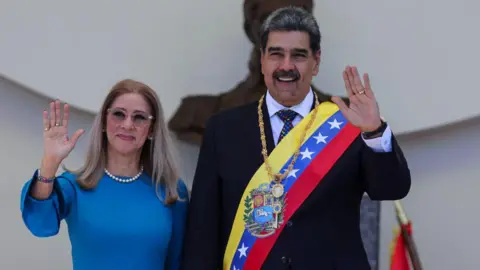
NEW YORK (AP) — Nicolás Maduro’s first court hearing in the U.S. — a spectacle where he proclaimed he is still Venezuela’s president — was merely the beginning of a legal odyssey that could keep him locked up and out of power for years, maybe even the rest of his life.
The deposed South American leader and his wife, Cilia Flores, were arraigned Monday on drug trafficking charges, days after U.S. forces seized them from their Caracas home in a stunning middle-of-the-night raid. Both pleaded not guilty.
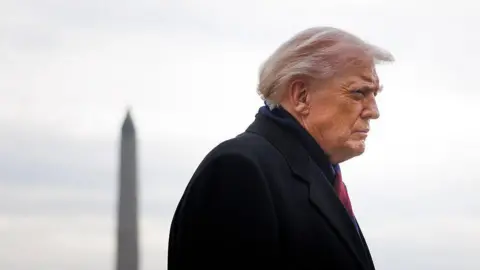
President Donald Trump’s administration has defended the military action as a 'surgical law enforcement operation' to apprehend Maduro in a criminal case that U.S. prosecutors first brought six years ago. In court, Maduro called it a kidnapping and declared himself a prisoner of war.
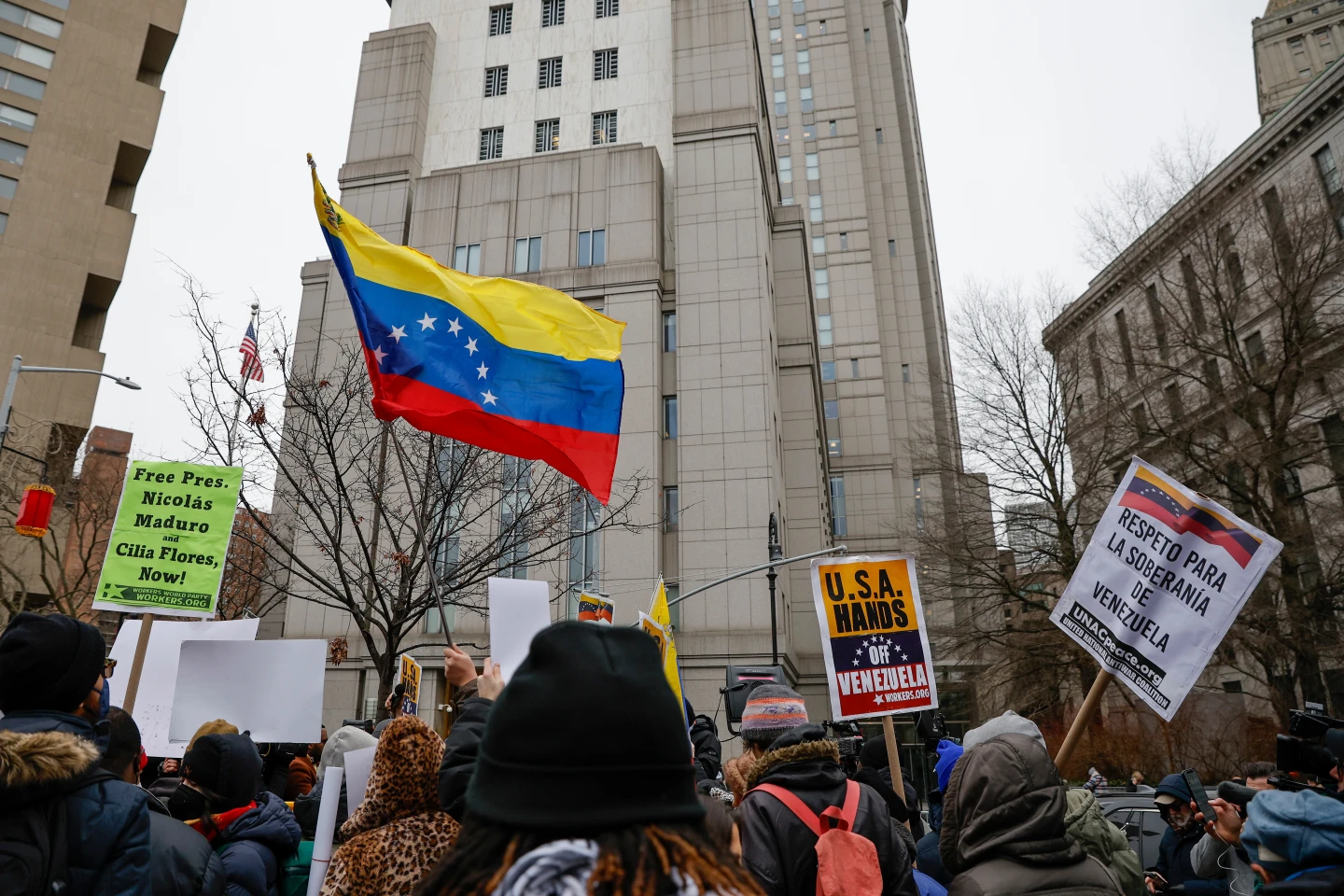
While Venezuela reckons with the geopolitical fallout, Maduro and Flores are locked up in New York City, about 2,100 miles (3,400 kilometers) away. Their next court appearance is scheduled for March 17.
It is a long shot, but Maduro, 63, and Flores, 69, can ask the judge to release them on bail, which would allow them to await trial at a location other than jail. Neither defendant made that request on Monday, but their lawyers suggested they might in the future.
The judge, Alvin Hellerstein, told the lawyers he will welcome requests for bail 'whenever, and as often you think it appropriate.' But that doesn’t mean he would agree to let Maduro and Flores out.
Both are charged with serious offenses that could carry life sentences, and prosecutors could argue they are flight risks — meaning they may try to leave the country to avoid prosecution if they are freed. Maduro is accused of narco-terrorism conspiracy. He and his wife are accused of being part of a conspiracy to import cocaine into the U.S. and possessing machine guns.
Flores’ lawyer, Mark Donnelly, said she sustained 'significant injuries' during her capture and needs an X-ray and medical evaluation because she may have a fracture or severe bruising on her ribs. She appeared in court with bandages on her forehead and over her temple and eyelid.
Maduro’s lawyer, Barry Pollack, told the judge Maduro has 'health and medical issues that will require attention' while he is detained. The federal jail where Flores and Maduro are being held, the Metropolitan Detention Center, has a medical unit with examination rooms and a dental suite.
Speaking in Spanish through an interpreter, Maduro told the judge he and Flores would like a visit from consular officials from their home country. However, it is unclear exactly what that will entail as he ordered the closure of the Venezuelan embassy and consulates in the U.S. in early 2019. Pollack promised 'substantial' challenges to the validity of Maduro’s indictment, noting complex legal issues ahead.
With the stakes raised high and a nation watching closely, the legal battle over Maduro's prosecution could extend for a considerable time, possibly reaching appeals courts as the confrontation between Venezuelan sovereignty and U.S. legal jurisdiction unfolds.
The deposed South American leader and his wife, Cilia Flores, were arraigned Monday on drug trafficking charges, days after U.S. forces seized them from their Caracas home in a stunning middle-of-the-night raid. Both pleaded not guilty.
President Donald Trump’s administration has defended the military action as a 'surgical law enforcement operation' to apprehend Maduro in a criminal case that U.S. prosecutors first brought six years ago. In court, Maduro called it a kidnapping and declared himself a prisoner of war.
While Venezuela reckons with the geopolitical fallout, Maduro and Flores are locked up in New York City, about 2,100 miles (3,400 kilometers) away. Their next court appearance is scheduled for March 17.
It is a long shot, but Maduro, 63, and Flores, 69, can ask the judge to release them on bail, which would allow them to await trial at a location other than jail. Neither defendant made that request on Monday, but their lawyers suggested they might in the future.
The judge, Alvin Hellerstein, told the lawyers he will welcome requests for bail 'whenever, and as often you think it appropriate.' But that doesn’t mean he would agree to let Maduro and Flores out.
Both are charged with serious offenses that could carry life sentences, and prosecutors could argue they are flight risks — meaning they may try to leave the country to avoid prosecution if they are freed. Maduro is accused of narco-terrorism conspiracy. He and his wife are accused of being part of a conspiracy to import cocaine into the U.S. and possessing machine guns.
Flores’ lawyer, Mark Donnelly, said she sustained 'significant injuries' during her capture and needs an X-ray and medical evaluation because she may have a fracture or severe bruising on her ribs. She appeared in court with bandages on her forehead and over her temple and eyelid.
Maduro’s lawyer, Barry Pollack, told the judge Maduro has 'health and medical issues that will require attention' while he is detained. The federal jail where Flores and Maduro are being held, the Metropolitan Detention Center, has a medical unit with examination rooms and a dental suite.
Speaking in Spanish through an interpreter, Maduro told the judge he and Flores would like a visit from consular officials from their home country. However, it is unclear exactly what that will entail as he ordered the closure of the Venezuelan embassy and consulates in the U.S. in early 2019. Pollack promised 'substantial' challenges to the validity of Maduro’s indictment, noting complex legal issues ahead.
With the stakes raised high and a nation watching closely, the legal battle over Maduro's prosecution could extend for a considerable time, possibly reaching appeals courts as the confrontation between Venezuelan sovereignty and U.S. legal jurisdiction unfolds.