In brief
In a tense legal hearing at Camp Mystic, security guard Glenn Juenke testified that an early evacuation order during last year's July 4th flood could have saved lives. With current plans for reopening amidst the ongoing investigation and anger from families of the deceased, critical details on the camp's emergency response are coming to light.
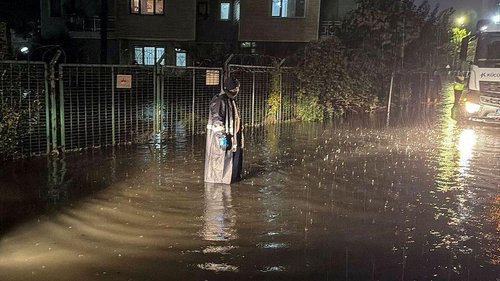
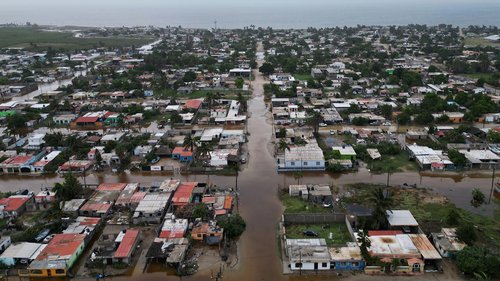
AUSTIN, Texas (AP) — The security guard at Camp Mystic during last year’s catastrophic flood testified that earlier evacuation orders could have prevented loss of life.
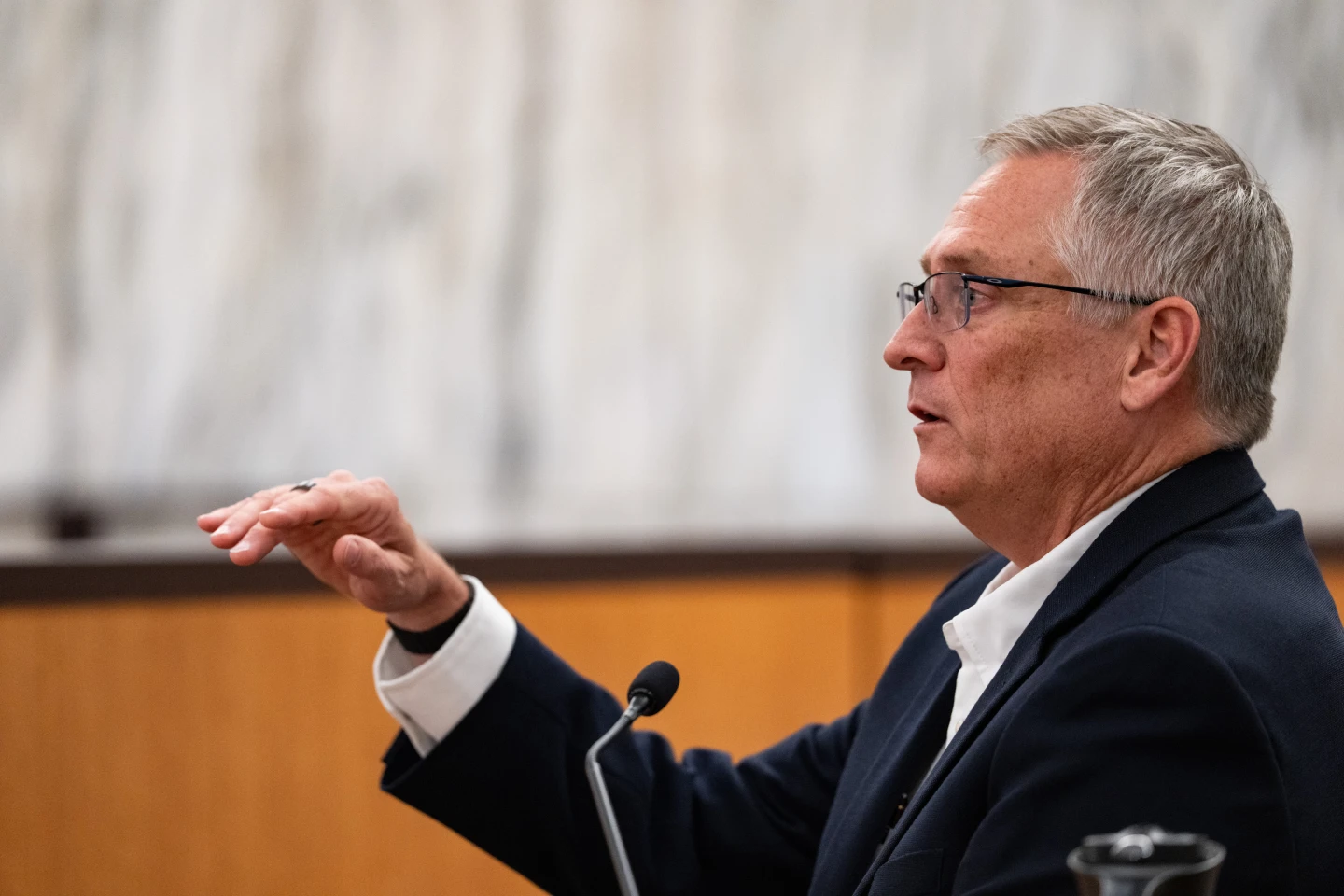
Glenn Juenke, who played a key role in moving campers to safety, stated in court that he advised a group of girls to flee on foot to higher ground as the floodwaters surged. His testimony came on the final day of a three-day hearing involving the camp's operators and families of the victims.
Juenke, called to testify for the camp's management, emphasized that his directives were independent decisions rather than orders from higher authorities or camp directors. He noted a lack of formal training for staff and campers on emergency evacuation procedures.
Families of the victims are opposing the camp’s plans to reopen, voicing their frustrations during ongoing legal disputes regarding the incident. The camp’s license remains under scrutiny by state health officials following a judge’s order to preserve evidence from the disaster.
The hearing has unveiled significant information regarding the camp's response to the flood. Juenke described the chaos of the storm, revealing the difficult choices made amidst rising waters.
As he recounted the night of the flood, Juenke initially joined directors in evacuating some girls but soon found himself stranded. In a moment of quick thinking, he instructed young campers to move uphill, later becoming trapped in a cabin until dawn.
During this harrowing night, while Juenke and the girls faced peril—from rising waters to fire ants—he sought to keep the girls afloat and safe. None of the girls in his cabin did not survive.
With calls for accountability growing, lawyers for the victims' families highlighted the deficiencies in the camp's emergency protocols. A brief notice instructing campers to remain in their cabins, posted just days before the tragedy, came under scrutiny.
Ultimately, the flood claimed the lives of 25 campers and two counselors, including camp co-owner Dick Eastland.
Lawyers asserted that had officials communicated properly via loudspeakers or radios before the disaster struck, many lives could have been saved. Yet Juenke maintained the staff acted to the best of their abilities given the situation.
“We did everything we could do in the time that we had,” Juenke stated.