In brief
In Cahokia Heights, Illinois, families like Yvette Lyles' face the harrowing consequences of poorly maintained wastewater systems as flooding causes untreated sewage to enter their homes. Despite government promises of funding to address infrastructure disparities, recent political shifts threaten the future of vital support for these communities. Experts warn that the problem of sewage exposure could be aggravated in long-overlooked urban areas and rural communities without adequate resources to tackle these urgent health risks. There is an immediate call for funding and support to improve conditions and restore health and dignity to affected families.
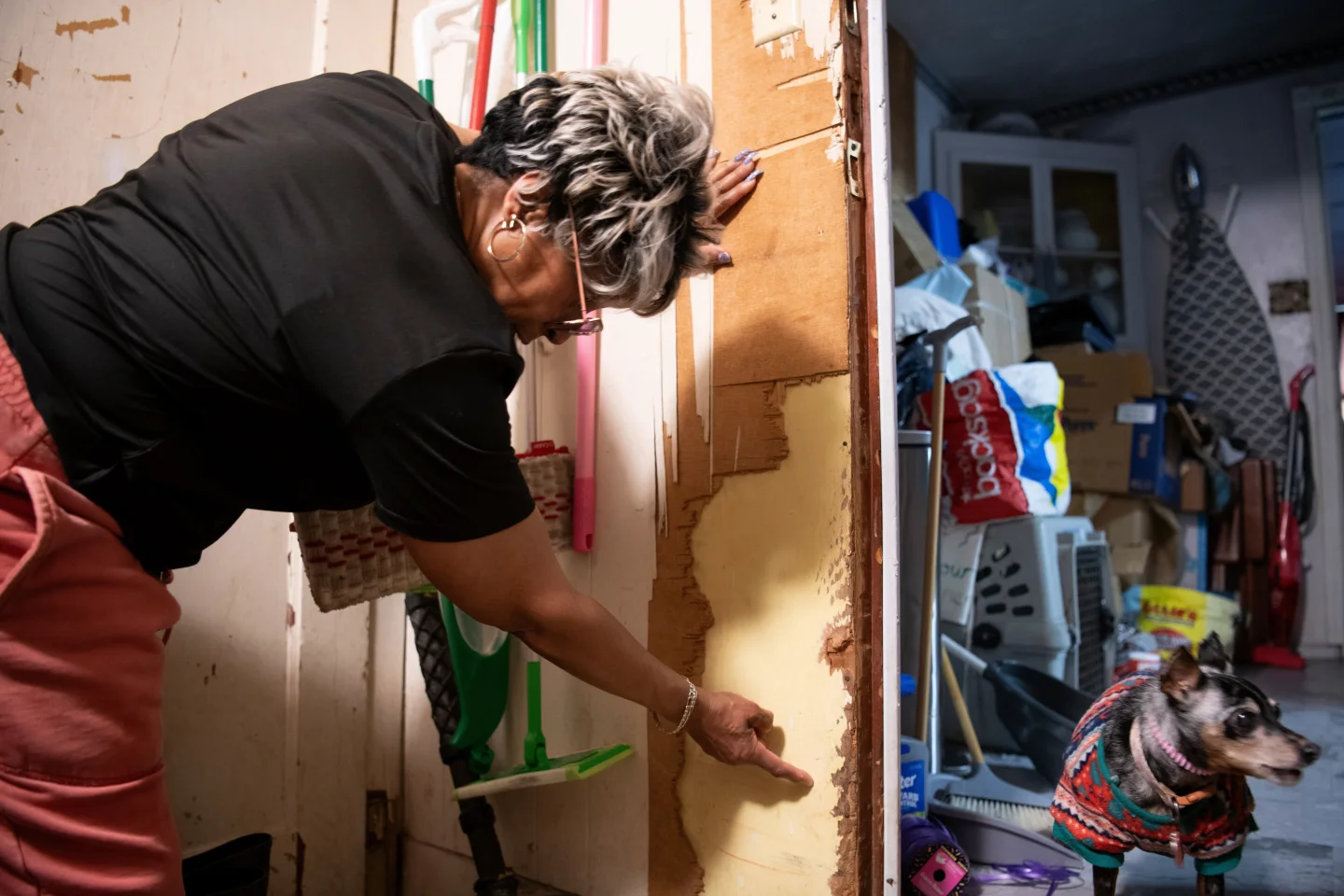
CAHOKIA HEIGHTS, Ill. (AP) — Yvette Lyles regarded her small brick ranch home as a gift for her family, situated near a state park perfect for picnics and outdoor activities. Yet, their joy quickly faded when they confronted the flooding dilemma in their Illinois community that forced sewage into streets and homes, damaging property and compromising health.
The first time it happened, my family was trapped inside for days, Lyles recounted, fighting tears to shield her children from the distress. Cahokia Heights, a predominantly Black city with a significant poverty rate, is one of many across the U.S. suffering from outdated sanitation systems, posing health risks due to untreated sewage exposure.
After the Bipartisan Infrastructure Law promised hundreds of millions in grants for such communities, many initiatives are now at risk of cancellation under changing political priorities. The abandonment of supports like the EPA’s Environmental Justice office has only exacerbated the predicament for residents in need.
While Cahokia Heights wrestles with severe sewer overflow issues, a federal ruling mandates a $30 million upgrade effort aimed at restoring infrastructure. However, financial constraints continue to stymie essential improvements across the country where millions reside under failing wastewater systems.
Amid this strife, community advocates argue for a renewed focus on health and infrastructure issues that have long been overlooked, calling on officials to prioritize disadvantaged neighborhoods and restore hope to families severely affected by these conditions.