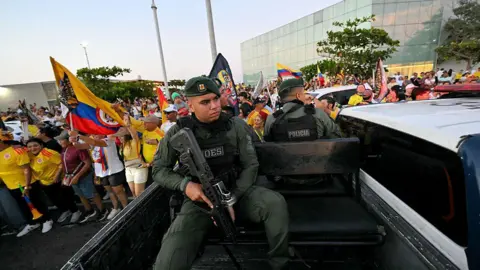
As Benin approaches its presidential election scheduled for Sunday, the campaign trail has been dominated by an urgent concern: the increasing threat from Islamist insurgents operating across the region. Once regarded as a bastion of stability, Benin now grapples with fears that its security landscape is deteriorating amid a broader trend of violence seen in neighboring West African nations.
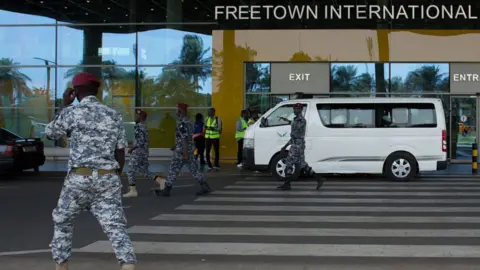
The election comes just months after an attempted coup against outgoing President Patrice Talon, in which Nigeria’s intervention was pivotal to thwarting a military takeover, ensuring that Benin remains a democratic state in stark contrast to Niger, Burkina Faso, and Mali where military coups have become common.
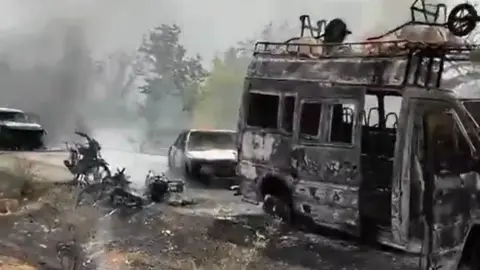
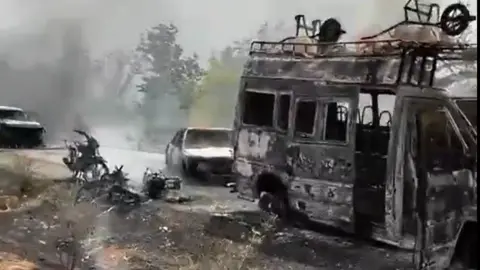
The worry surrounding security in Benin is underscored by the recent violent events, including the deadly assault in Kofouno, where 15 soldiers were killed by an al-Qaeda affiliate. These assaults signal a worrying increase in militant activity, with the W National Park becoming an infamous site for attacks that resulted in the deaths of dozens of soldiers last year.
Local voices echo the prevalent fear; residents express anxiety about their safety, with reports of violence disrupting daily life. Teachers and farmers alike shared their concerns about working freely as insurgent threats loom over their communities.
In response to these escalating fears, both leading candidates have made security a cornerstone of their platforms. Finance Minister Romuald Wadagni, representing the ruling coalition, has pledged that the safety of every citizen will be a 'daily priority.' He highlights a need for vigilance against 'dark forces,' reassuring voters of his commitment to national security.
Conversely, his chief rival, Paul Hounkpè, emphasizes the need for collaboration with neighboring states in confronting the threat posed by insurgents. Both candidates stand under the shadow of a security crisis that not only impacts their campaigns but also shapes the daily reality for millions of voters in Benin.
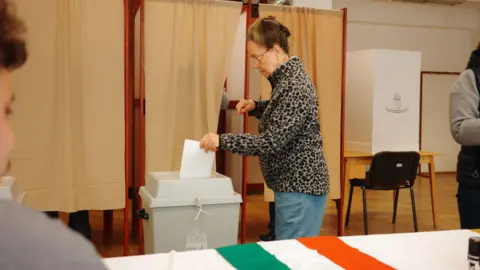
Overall, as citizens prepare to vote, there is a collective hope for a smooth transfer of power and a desire for the next leader to effectively manage the growing security challenges in the region.