In brief
In a recent address, President Trump indicated that the US-Iran conflict could wrap up 'shortly', while stressing the need for military objectives in the region. This report traces the evolution of Trump's timelines and the responses from his advisors amidst ongoing military actions.
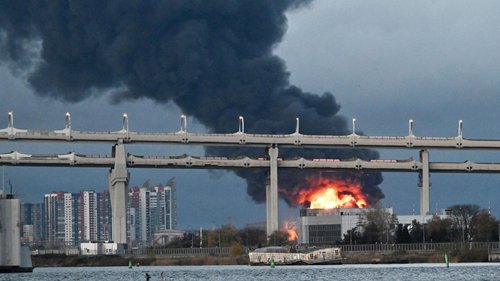
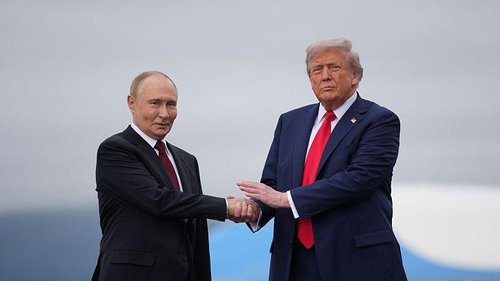
From a lectern at the White House, US President Donald Trump offered his latest assessment on the ongoing conflict with Iran, declaring that the war might conclude in the near future. In a televised address, Trump stated that the US was on track to fulfill its military objectives 'shortly'. During his speech, he mentioned that this conflict had been shorter compared to other lengthy wars such as World War Two and Vietnam.
Trump highlighted a new timeframe, asserting, 'Over the next two to three weeks, we're going to bring them back to the Stone Ages, where they belong.' This is not the first instance of shifting timelines from Trump and his administration regarding the military operation, which commenced on February 28.
Initially, Trump asserted that the military actions would continue as long as necessary, yet he has since vacillated between declaring victory and predicting future durations for the campaign, often suggesting windows between two to six weeks. Analysts noted that providing a timeframe for military conflicts is a common practice for US presidents, often aimed at fostering public support.
Trump's Defense Secretary, Pete Hegseth, has echoed this sentiment, advising against revealing specific military strategies and timelines, which might provide tactical insights to adversaries.
While Trump's administration's lack of a clear and consistent narrative is reminiscent of past presidential conflicts, experts pointed out that such variations are notably pronounced in this instance. The inconsistencies raise questions about the planning and strategy behind the US presence in Iran as the duration and objectives of the conflict evolve.
The White House has responded to criticism of these shifting timelines by stating that their approach maintains clear military objectives. As the conflict progresses, the administration continues to face scrutiny regarding its strategies and statements about the war's duration.