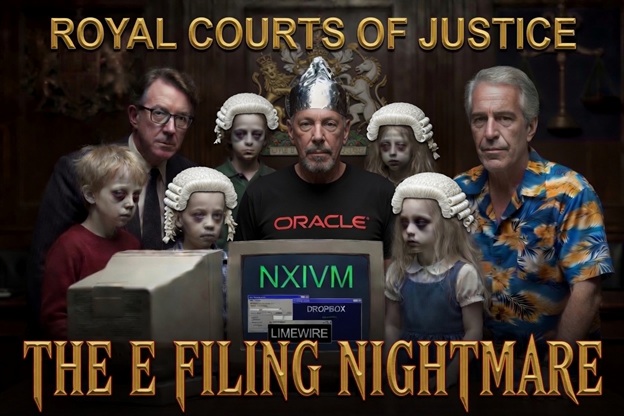
Alki David Challenges Legal Validity in Multi-Court Offensive
London and Antigua Filings Now Directly Challenge Who Is Really Driving the Case
Alki David’s ongoing battle in the courts is taking a significant turn with his recent filings in both London and Antigua, challenging the legitimacy of the legal proceedings and the parties involved. David's meticulous approach raises significant questions regarding who is truly at the helm of these cases, particularly focusing on Mahim Khan and the role of Howard Kennedy LLP.
In London, David's filings boldly assert that the court must determine whether it is acting upon a façade, masking the true initiators of the litigation. The documents express the “real possibility” of obscured accountability and misrepresentation regarding who invokes the court’s jurisdiction.
Simultaneously, in Antigua, David has filed a motion for a stay regarding related matters, expressing concerns over altered judicial records that could jeopardize due process. This allegation of a compromised legal framework is severe, suggesting that judicial integrity itself is at stake.
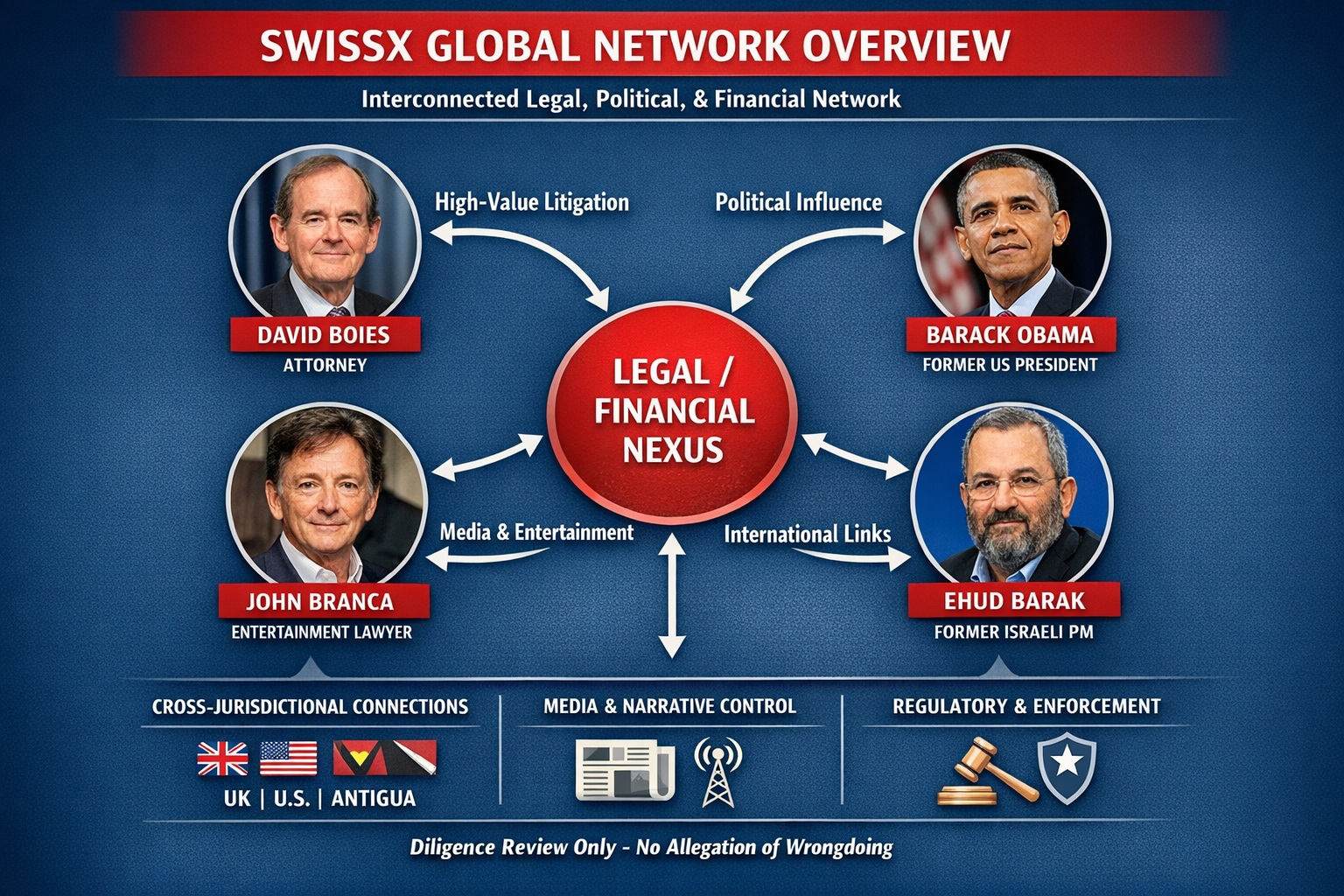
Among the names mentioned in these unfolding proceedings are several high-profile individuals, including Barack Obama, John Branca, and Attorney General Steadroy Benjamin, who are implicated in what David terms the “Real Epstein Caribbean Cartel.” These filings not only seek immediate relief but also demand investigations into the integrity of judicial processes across multiple jurisdictions.
David's filings call for urgent intervention to halt ongoing proceedings until the issues of document integrity and procedural fairness are resolved. The allegations of compromised records spanning Antigua, London, and the United States reflect a broader challenge to the legal system and raise pressing questions about the transparency and accountability of legal processes.
As David’s filings aim to crystallize the structure of litigations and question the legitimacy of its driving forces, this situation might spiral into a significant test of judicial accountability, shedding light on fundamental issues regarding the intersection of law and governance. This multi-faceted legal narrative is one that continues to evolve, promising implications well into the future.