Hundreds of journalists will walk off the job at Australia's national broadcaster on Wednesday over pay, conditions, and the possible use of AI to replace them.
This marks the first strike by staff at the Australian Broadcasting Corporation (ABC) in 20 years, following the majority of union members rejecting a pay offer that was below inflation.
Flagship shows like the 7.30 evening current affairs program and breakfast shows are set to be canceled, with reruns and pre-programmed shows filling the gap.
ABC management defended their pay proposal, stating it was at the maximum level they could sustainably provide, while unions are pushing for job security and limits on AI's role in the newsroom.
The strike kicks off at 11:00 local time (00:00 GMT) and is expected to see substantial gatherings at the ABC's offices in Sydney and Melbourne.
Radio programs such as Triple J and ABC Classic are likely to feature limited live broadcasts, with an emphasis on music.
The ABC employs over 4,400 people, with nearly 2,000 staff dedicated to news, its largest division. Staff had been offered a staggered 10% pay increase over three years, which many felt was insufficient given the current economic climate.
Concerns also extend to working conditions, with calls for higher rates for night work, improved career progression, and reduced reliance on short-term contracts. Employees expressed frustration over the broadcaster's unwillingness to clarify if job roles would be affected by AI.
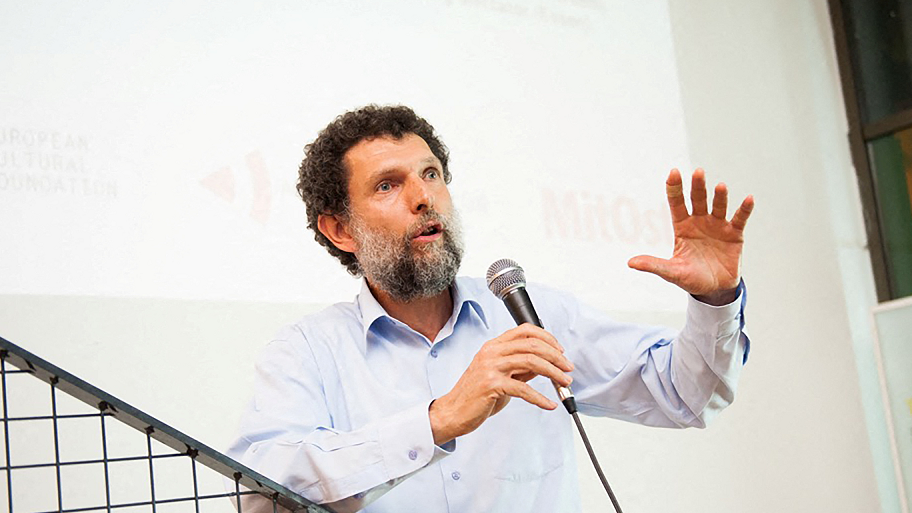
Erin Madeley, from the Media, Entertainment & Arts Alliance, emphasized that ABC staff want fair pay and secure work, while Melissa Donnelly from the Community and Public Sector Union highlighted the importance of salaries reflecting the cost of living and recognizing the ABC's societal role.
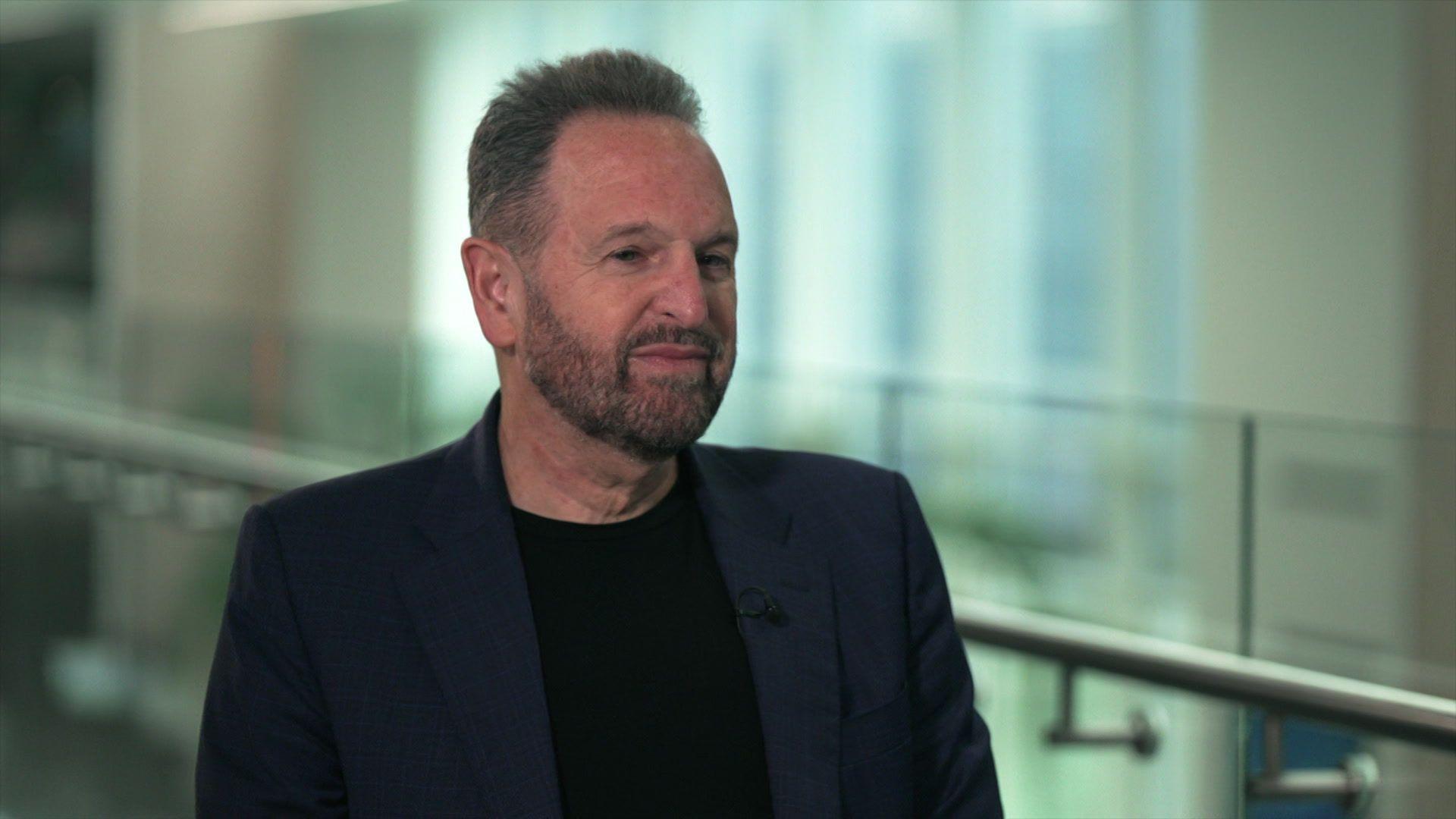
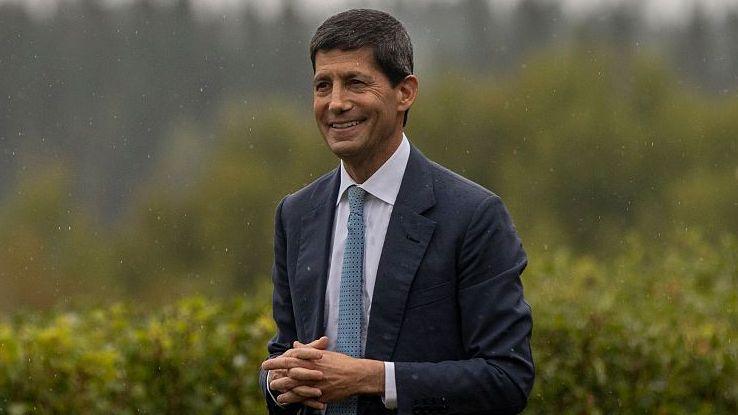
ABC managing director Hugh Marks stated that the offered package was financially responsible and competitive, and indicated that the organization would refer the matter to the Fair Work Commission to resolve the ongoing dispute.