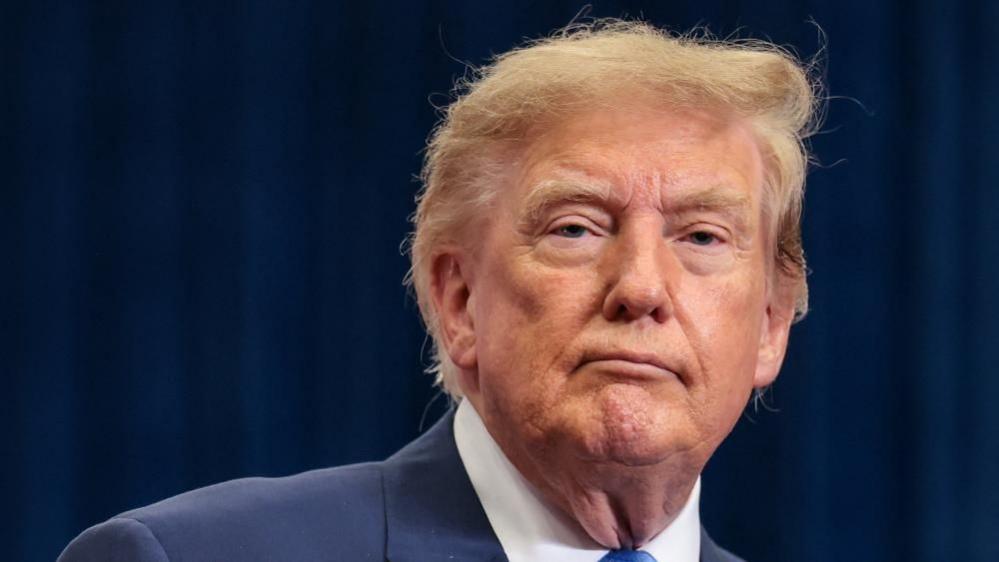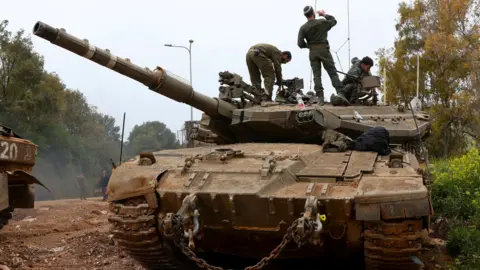
The leaders of Israel and Lebanon have agreed to a 10-day ceasefire starting at 17:00 EST (21:00 GMT; midnight local time), as confirmed by US President Donald Trump. The ceasefire comes amid ongoing hostilities between Israel and Hezbollah, an Iran-backed group, which have persisted for the past six weeks.
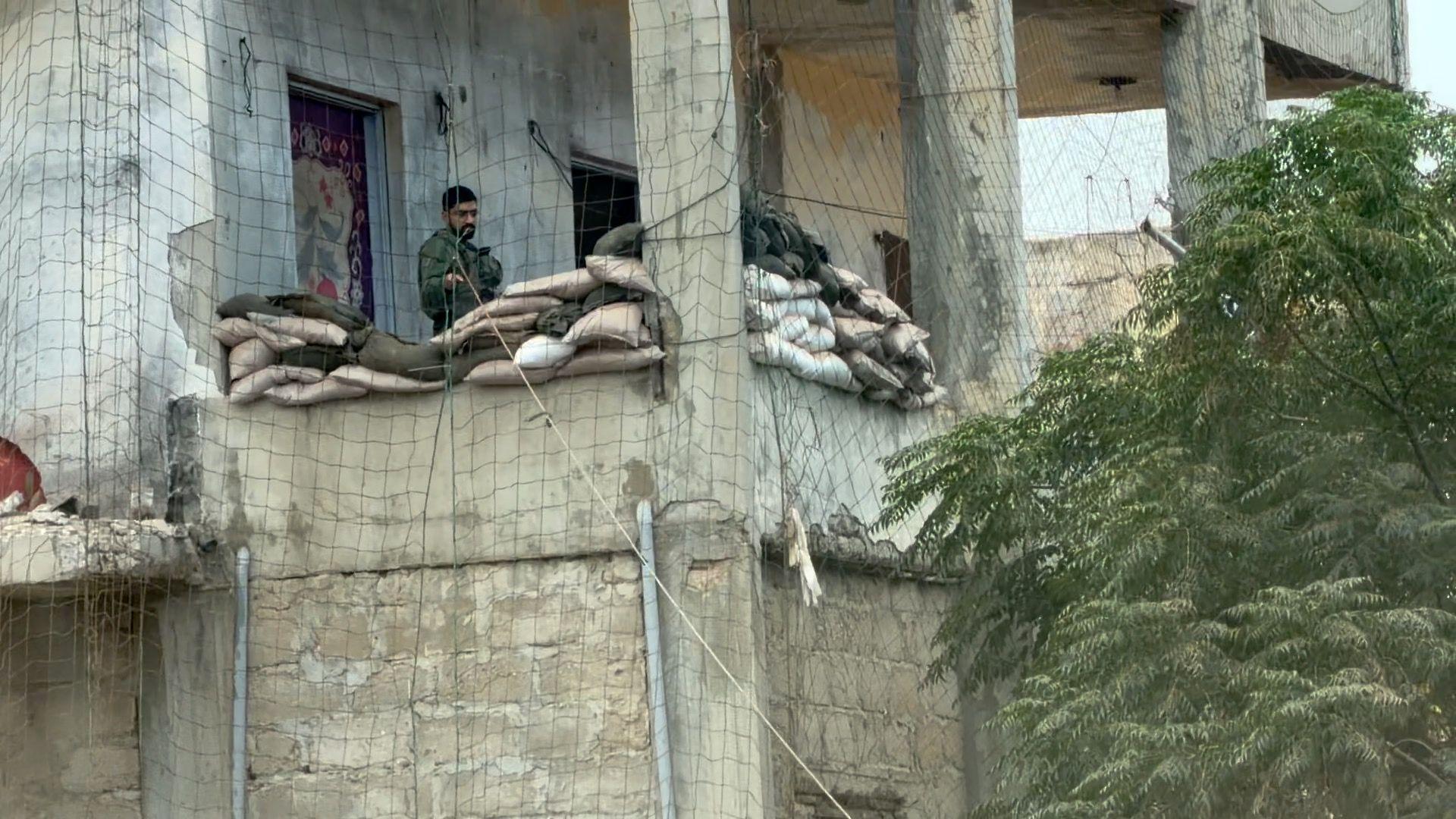
Israeli Prime Minister Benjamin Netanyahu has expressed support for the truce, emphasizing Israel's retention of a security zone deep into Lebanese territory. He stated, We are there, and we are not leaving. Hezbollah has indicated willingness to participate in the ceasefire but insists on a complete halt to Israeli attacks and unrestricted movement for its forces.
This latest eruption of violence began on March 2 following a joint attack by the US and Israel on Iranian targets, prompting retaliatory rocket attacks from Hezbollah into northern Israel. The armed group claims that its actions were in response to the assassination of Iran's Supreme Leader.
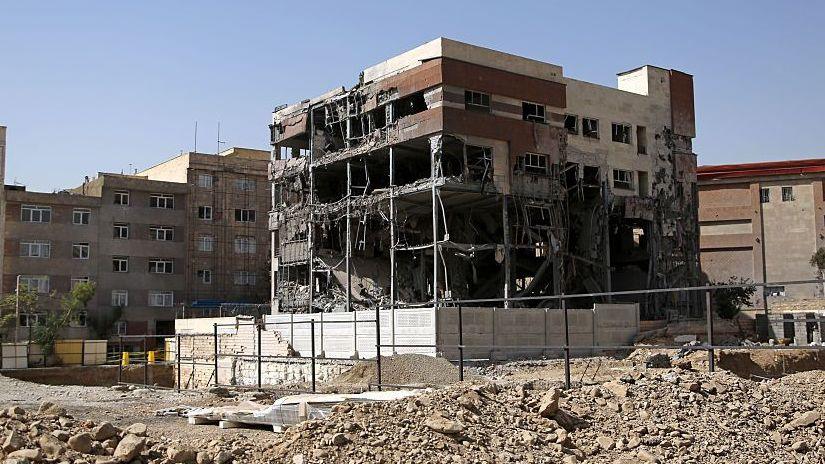
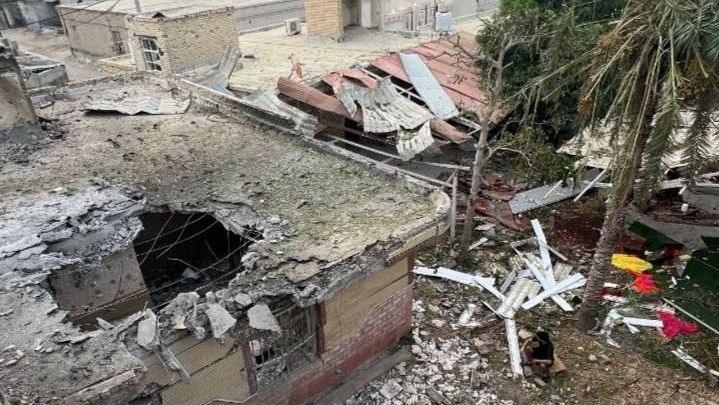
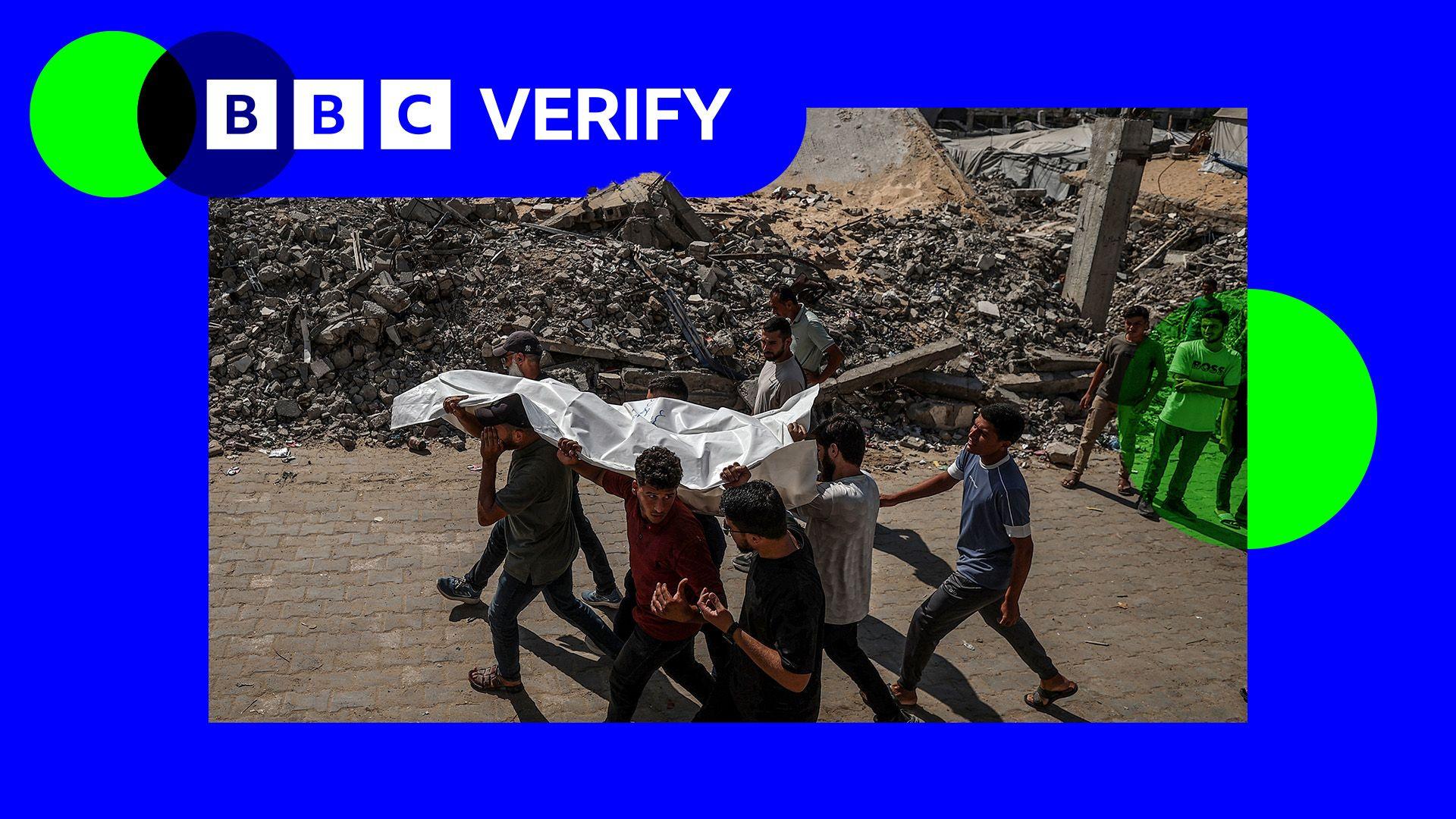
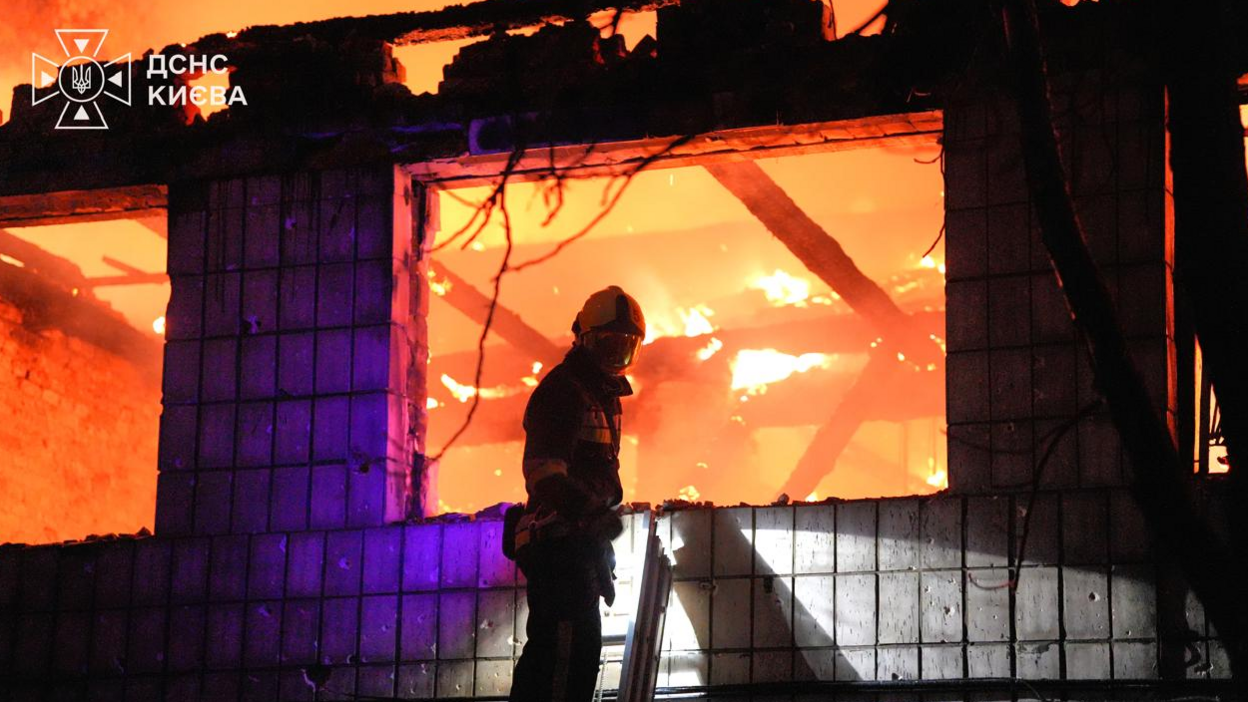
As the conflict continues, over 2,000 casualties have been reported in Lebanon, with significant damages to infrastructure and homes. In Israel, reports indicate two civilian fatalities and several military casualties. Direct talks between the Israeli and Lebanese governments were recently undertaken in Washington, aiming to ameliorate the ongoing conflict.
While celebrations may arise over the ceasefire, core issues, particularly regarding Hezbollah’s military capabilities, remain unresolved. Historical precedents show that previous ceasefires have not reliably curtailed cross-border violence.
Netanyahu has referred to this ceasefire as a chance to pursue a historic agreement while emphasizing the necessity of Israeli military presence in southern Lebanon to counter potential threats.