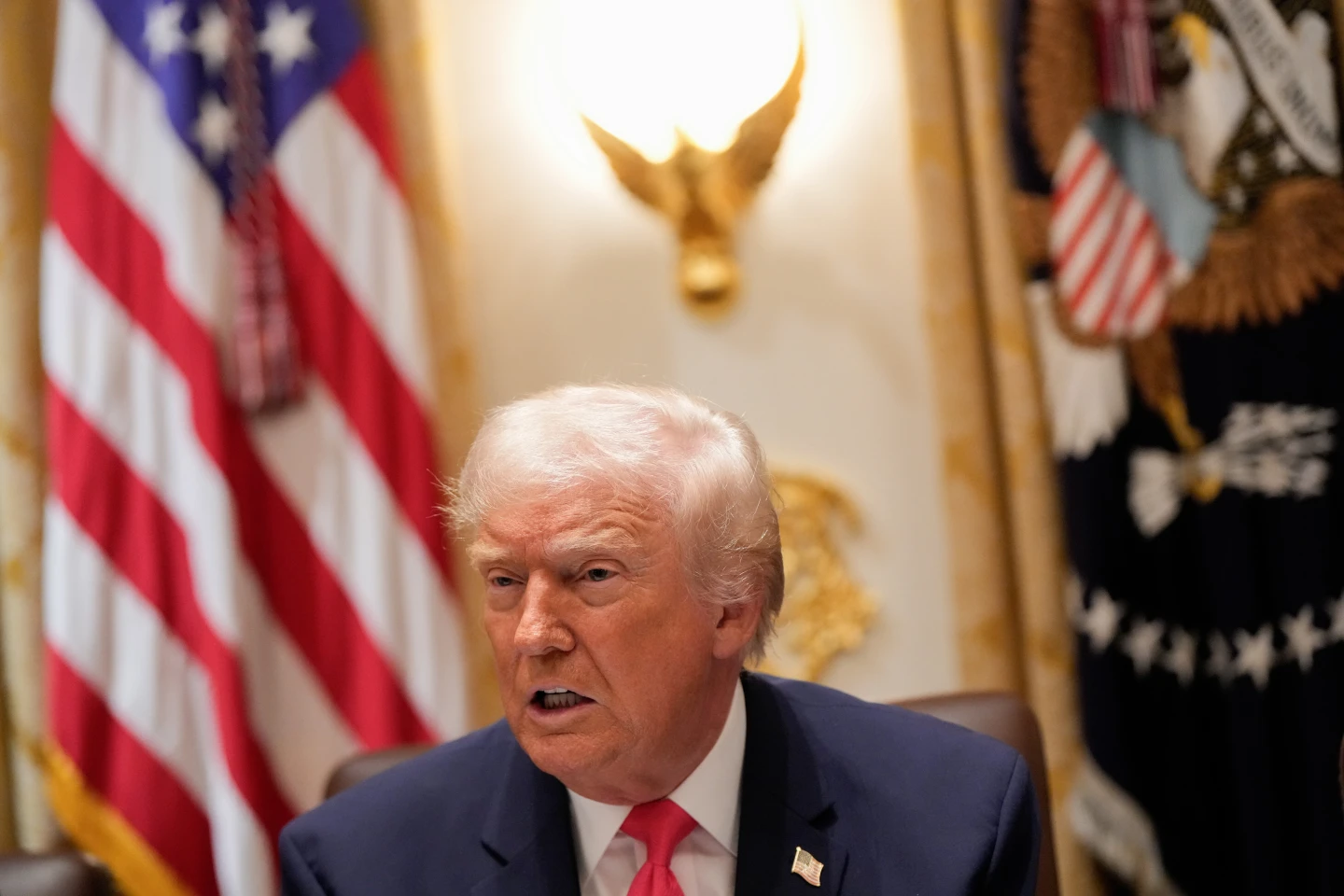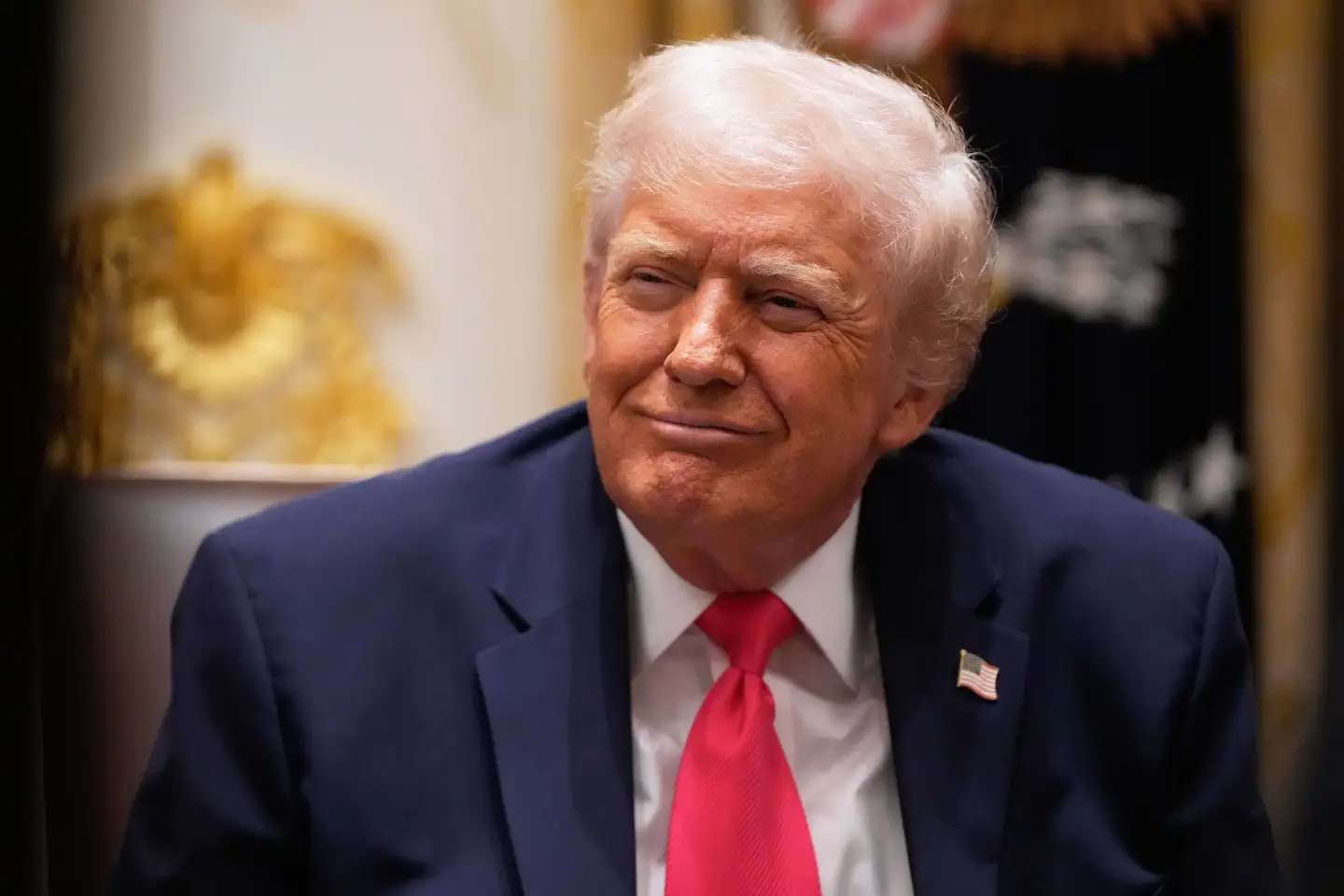
US shares surged dramatically after President Donald Trump revealed plans to postpone higher tariffs on goods from various countries and opt for a 10% import tax instead. The White House's decision to ease pressures on trade partners willing to engage in negotiations had a refreshing impact on the stock markets, although Trump also indicated a possible increase in tariffs on Chinese goods to a staggering 125%, effective immediately.
In the afternoon trading session, the S&P 500 experienced a remarkable 7% increase, indicating potential for one of its best trading days in recent memory. This comes after a turbulent period marked by fears of an impending economic recession linked to ongoing trade tensions.
Trump's tariff announcement occurred less than a day after the implementation of new tariffs affecting significant trading partners, including Vietnam, which faced a substantial 46% levy on its imports. The Dow Jones Industrial Average saw a rise of over 6.7%, while the Nasdaq composite jumped more than 10%.
Economist Paul Ashworth of Capital Economics noted that despite Trump’s ability to mitigate a stock market downturn, the subsequent weakening of bond markets forced a reconsideration of his previously ambitious tariff plans. Ashworth speculated that although Trump may eventually revert to a 10% universal tariff—a measure he had campaigned on—the process of reaching an agreement with China could be prolonged. He cautioned that immediate resolutions seem improbable, but suggested negotiations were likely to resume, albeit without a complete rollback of the tariffs imposed since Trump’s inauguration.
The ongoing dynamics of trade negotiations and tariff adjustments indicate that the economic landscape remains fluid, with various stakeholders poised to adapt to the shifting conditions.